
Ammonia Gas Monitors
Ammonia gas monitors are engineered instruments that continuously measure NH3 concentration to support safety programs, process reliability, and exposure control. Common deployments use fixed-point detectors in machinery rooms and near valves, plus portable instruments for maintenance walkdowns and incident response. Sensing methods often include electrochemical cells for low ppm sensitivity, metal-oxide sensors for robust detection, and optical absorption approaches when long-term stability and lower drift are priorities. Outputs are designed for industrial integration, including 4 to 20 mA, relay alarms, Modbus, and Ethernet gateways to PLCs, SCADA, or building automation systems. Properly specified monitors enable faster leak localization, verification of ventilation performance, and auditable measurement records that align with industrial hygiene and site EHS requirements.
Technical definition: what ammonia gas monitors measure and how results are used
Ammonia gas monitors are gas-sensing devices that quantify NH3 in air and convert that measurement into alarms, control signals, and data logs used by operations and EHS teams. Unlike simple “leak alarms,” monitoring-grade instruments are specified by measurement range, accuracy or repeatability targets, response time, drift behavior, and environmental
limits. Engineering teams use these characteristics to design alarm setpoints, ventilation
triggers, and escalation procedures that match the site’s risk assessment.
Product types used in ammonia monitoring architectures
Fixed ammonia gas monitors
Installed near credible release sources such as compressor skids, evaporators, receiver vessels, valves, and charging stations. Fixed monitors are commonly paired with control panels to drive horns, beacons, ventilation, and safety interlocks.
Portable ammonia gas monitors
Handheld instruments used for pre-job checks, maintenance verification, confined-space entry screening, and leak tracing around flanges, joints, seals, and hose connections.
Personal ammonia monitors (assumption-based)
Worn by workers to provide individual exposure alarms in higher-risk tasks. Assumption: the facility’s industrial hygiene program requires personal alarming and has defined calibration and bump test procedures.
Diffusion and pumped sampling monitors
Diffusion units measure directly at the sensor inlet. Pumped sampling draws air through tubing to locate sensors in accessible areas or to sample from pits, trenches, and enclosed cabinets.
Controllers, annunciators, and gateways
Centralize readings, apply alarm logic, supervise sensor health, and interface with PLCs or building automation via analog and digital protocols.
Sensor technologies commonly applied to NH3 monitoring
Electrochemical NH3 sensors
Selected for low ppm sensitivity and occupational exposure monitoring scenarios where repeatable measurements and predictable response are required.
Metal-oxide semiconductor sensors
Often used when ruggedness and tolerance to industrial conditions are prioritized, with attention paid to humidity effects and potential interferences.
Optical absorption detectors (IR or laser-based, assumption-based)
Applied when reduced drift, longer service intervals, or broader area coverage is needed. Assumption: line-of-sight or optical path maintenance is feasible for the installation.
Enviro Testers has quickly established itself as a trusted leader in delivering advanced instrumentation for air, soil, and water measurement programs. With a growing B2B presence across North America, we lead in technology innovation, product reliability, and customer-focused support. Through research, continuous product development, a strict quality assurance process, and expert guidance, we help businesses streamline operations and unlock the full potential of testing and measurement solutions.
Measurement performance capabilities that impact real-world outcomes
Range and alarm threshold design
Facilities often need early warning plus action-level alarms. Correct range selection prevents saturation during higher releases while preserving sensitivity for chronic micro-leaks.
Response time and event visibility
Faster response supports earlier ventilation activation and faster evacuation decisions. Stable recovery behavior helps teams confirm that mitigation actions worked and that readings return to baseline.
Selectivity and interference management
Industrial spaces can contain cleaning chemicals, solvents, and other vapors. Monitoring systems should publish cross-sensitivity characteristics and provide guidance for field validation in representative conditions.
Environmental compensation and stability controls
Cold rooms, rooftop enclosures, and humid machinery rooms challenge sensors differently. Compensation algorithms and appropriate housings reduce nuisance alarms and improve repeatability.
System integration options for OT, controls, and safety layers
Industrial outputs and communications
Typical integration paths include:
- 4 to 20 mA outputs scaled for PLC analog inputs and trending
- Relay contacts for horns, beacons, fan starters, or safety interlocks
- Modbus RTU/TCP for multi-point networks and centralized dashboards
- Ethernet gateways for SCADA and segmented OT networks
Alarm handling logic in controllers
Common configuration options include:
- Latching alarms for higher-severity thresholds aligned to evacuation procedures
- Horn silence with alarm persistence for controlled response workflows
- Time delays to filter brief spikes when justified by the risk assessment
- Sensor fault supervision and fail-safe relay behavior definitions
Data logging and audit readiness
Engineering teams often require timestamped event logs, calibration records, and alarm histories that support incident timelines and compliance documentation.
Deployment and installation configurations for challenging sites
Enclosure selection and ingress protection
Washdown, dust, condensate, and salt air demand correct IP or NEMA ratings. Enclosure choices influence electronics reliability and sensor stability.
Remote sensor heads and service-friendly layouts
Remote heads can reduce time spent in higher-risk areas during calibration. Placement strategies typically prioritize credible leak sources and practical maintenance access.
Pumped sampling for inaccessible points
Pumped systems can sample inside enclosures or from pits and trenches where ammonia may accumulate. Tubing length, flow rate, and response time tradeoffs should be evaluated during design.
Hazardous area considerations (site-dependent)
Some installations require classified location approvals and appropriate wiring methods. Site drawings and electrical area classification govern these decisions.
Calibration and lifecycle management that reduce downtime
Bump testing and calibration workflows
Maintenance programs typically define bump test frequency and calibration intervals based on sensor type, environmental severity, and the facility’s safety case. Traceable calibration gas mixtures support defensible records.
Diagnostics and sensor health indicators
Useful features include drift indicators, end-of-life flags for electrochemical cells, flow fault alarms for pumped systems, and blocked inlet detection.
Standardization for procurement and spares
Multi-site operators often standardize on fewer sensor types, shared calibration accessories, and common controllers to reduce inventory complexity and training overhead.
- Refrigeration engine rooms detect chronic low ppm leaks and trigger ventilation before conditions reach action-level thresholds.
- Cold storage facilities monitor evaporators and valve stations to reduce leak duration and support maintenance verification.
- Food and beverage plants alarm near process areas to protect workers when refrigeration and production share airflow.
- Fertilizer manufacturing monitors transfer points to reduce exposure risks during unloading, blending, and packaging operations.
- Chemical processing plants monitor scrubber inlets and discharge zones to verify containment and abatement performance.
- Water treatment facilities monitor ammonia dosing rooms to document exposure controls and verify exhaust ventilation performance.
- Semiconductor fabs monitor gas cabinets to protect personnel and reduce contamination risks in controlled environments.
- Warehousing sites place detectors near roof penetrations to reduce plume migration into occupied office and staging zones.
- Large mechanical rooms monitor ammonia chillers and provide relay outputs to building automation and alarm annunciation.
- Industrial maintenance teams use portable monitors for flange inspections and leak tracing after gasket or valve work.
- Rail and truck loading operations monitor hose connections and couplings to shorten response time during accidental releases.
- Confined-space entry programs use continuous monitoring to control exposure during pit inspections and service corridor work.
- OSHA 29 CFR 119 Process Safety Management (PSM)
- OSHA 29 CFR 1200 Hazard Communication
- OSHA 29 CFR 146 Permit-Required Confined Spaces
- OSHA 29 CFR 147 Control of Hazardous Energy (Lockout/Tagout)
- EPA Risk Management Program 40 CFR Part 68
- EPCRA emergency planning and reporting frameworks
- ANSI/ASSP 1 Confined Spaces
- NFPA 70 National Electrical Code (NEC)
- NFPA 72 National Fire Alarm and Signaling Code
- ASHRAE 15 Safety Standard for Refrigeration Systems
- IIAR standards and guidance for ammonia refrigeration safety programs
- UL certifications applicable to gas detection equipment (model-dependent)
- CSA certifications applicable to gas detection equipment (model-dependent)
- WHMIS requirements for hazardous products in Canada
- CCOHS exposure references for ammonia
- Provincial occupational health and safety regulations in Canada (jurisdiction- dependent)
- Electrical code requirements for hazardous locations in Canada (site-dependent)
Better alignment between sensor behavior and site risk
Ammonia monitoring programs fail when sensors are chosen by price or generic specs instead of actual use conditions. Enviro Testers focuses on matching sensor technology and range to the credible leak scenarios, occupancy patterns, and ventilation design. That approach supports earlier detection of small leaks in occupied zones while preserving stable alarming behavior in machinery spaces that experience humidity swings and intermittent releases.
Integration-ready design for control systems and safety functions
Engineering teams often need predictable scaling, deterministic fault behavior, and clean interfaces to PLCs and alarm panels. Differentiators that reduce commissioning risk include:
- Documented 4 to 20 mA scaling with defined fault current conventions
- Clear relay behavior during power loss and sensor fault states
- Modbus register mapping suitable for system integrators and OT validation
- Event logs that support incident investigation and maintenance traceability
Maintainability that fits real maintenance windows
Facilities rarely have unlimited downtime for calibration and verification. Design choices that shorten service tasks reduce operational disruption and improve compliance discipline:
- Accessible calibration interfaces and repeatable test workflows
- Remote service configurations that reduce time spent in higher-risk zones
- Diagnostics that identify drift, end-of-life conditions, or blocked inlets early
- Standardized accessories that simplify training for multi-site teams
Reduced nuisance alarms through environmental resilience
Alarm fatigue erodes safety performance. Reliability improvements typically come from thoughtful environmental design rather than aggressive filtering. Engineering-oriented measures include:
- Temperature and humidity compensation suited to cold rooms and wet machinery spaces
- Mechanical protection that balances response time with resistance to dust and aerosols
- Placement guidance that avoids airflow short-circuiting and ventilation dead zones
- Fault supervision that distinguishes sensor issues from true ammonia events
Procurement and standardization support without sacrificing fit
Procurement teams often want fewer SKUs and predictable lead times, while engineering wants fit-for-purpose selection. Enviro Testers supports programs that balance both by defining a baseline monitor family with configurable communication modules, consistent documentation packages, and spares kits aligned to criticality rankings.
Teams modernizing ammonia monitoring often need help translating safety requirements into sensor placement, alarm setpoints, integration details, and calibration workflows that stand up to audits. Connect with Enviro Testers through our Contact Us page to request product information, technical consultation, procurement guidance, commissioning support, or lifecycle maintenance planning.
Showing 1–16 of 209 results
-

CO and Natural Gas Detector 4-in-1 Plug in Alarm Temp Humidity Monitor – Enviro Testers
Product successfully added to the Quote List
-
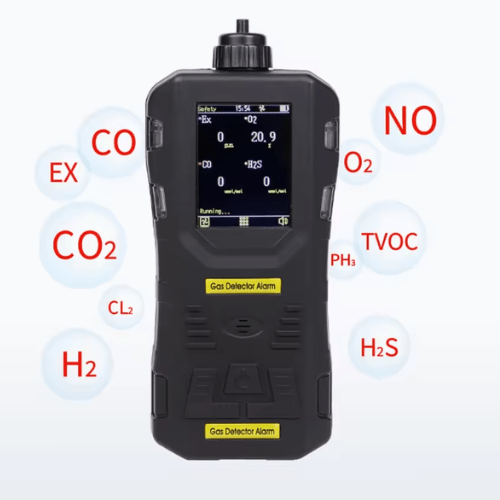
Enviro Testers 4 Unity Portable NH3 Ammonia Meter
Product successfully added to the Quote List
-
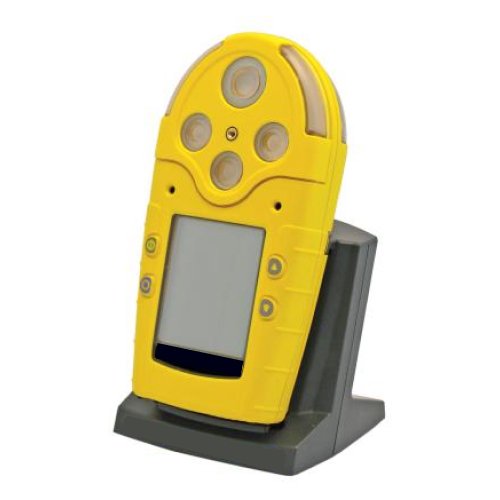
Enviro Testers 5 In 1 Gas Detector
Product successfully added to the Quote List
-
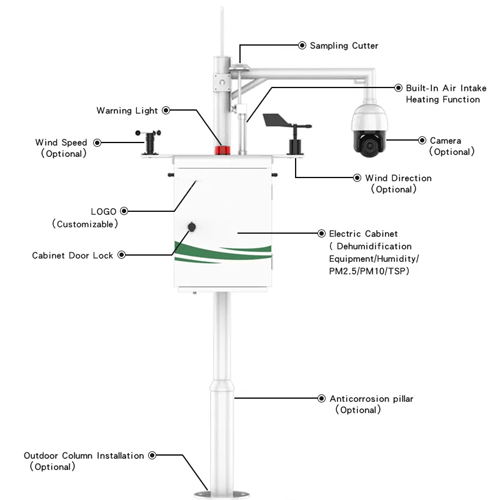
Enviro Testers Air Quality Monitoring System
Product successfully added to the Quote List
-
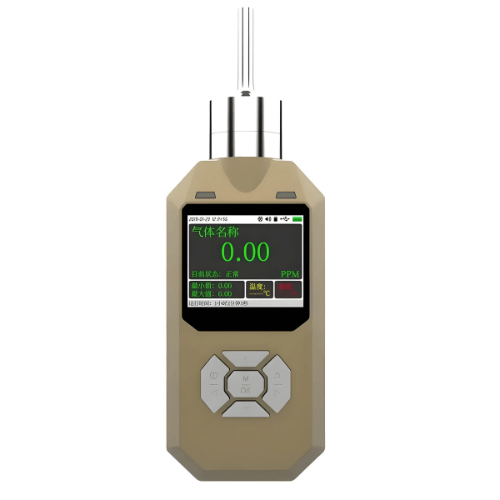
Enviro Testers Ammonia Air Quality Detector
Product successfully added to the Quote List
-
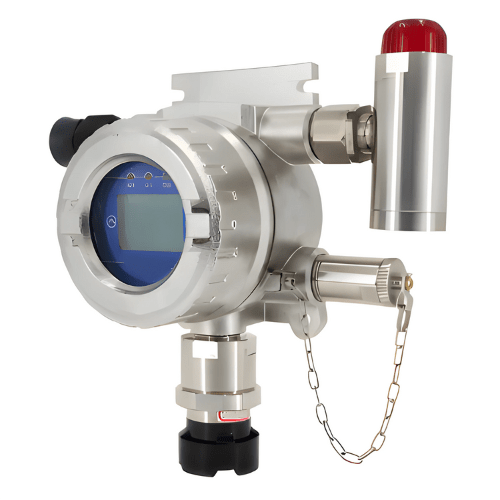
Enviro Testers Ammonia And Chlorine Leak Detector
Product successfully added to the Quote List
-
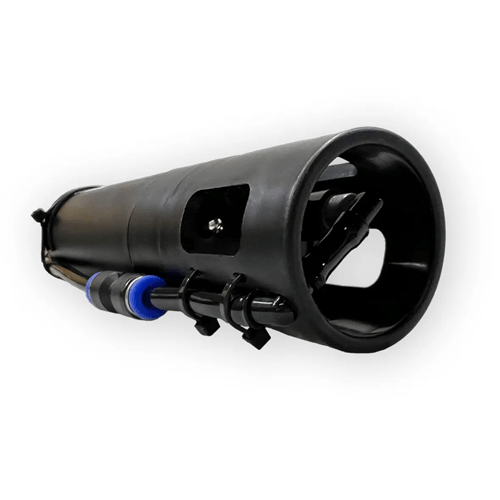
Enviro Testers Ammonia Detector NH4 Sensor
Product successfully added to the Quote List
-

Enviro Testers Ammonia Detector System
Product successfully added to the Quote List
-
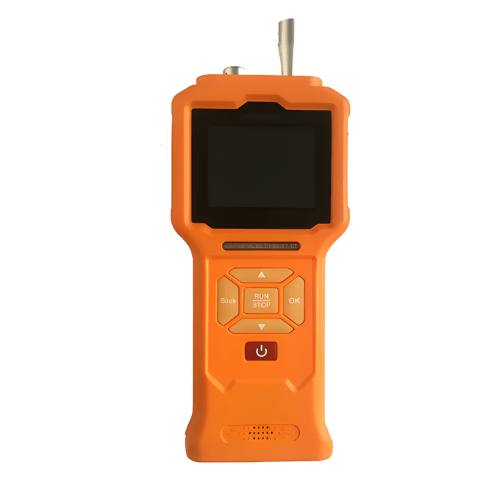
Enviro Testers Ammonia Detector with Alarm
Product successfully added to the Quote List
-
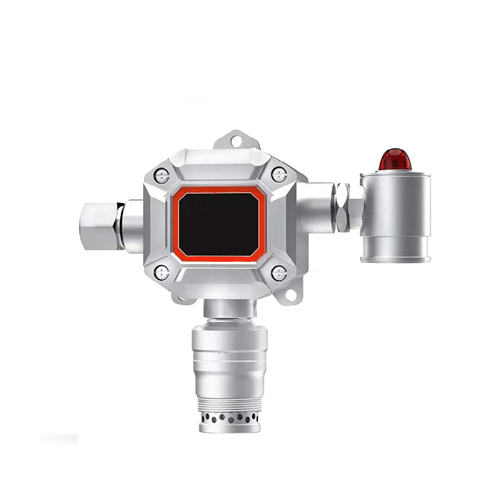
Enviro Testers Ammonia Gas Analyzer
Product successfully added to the Quote List
-
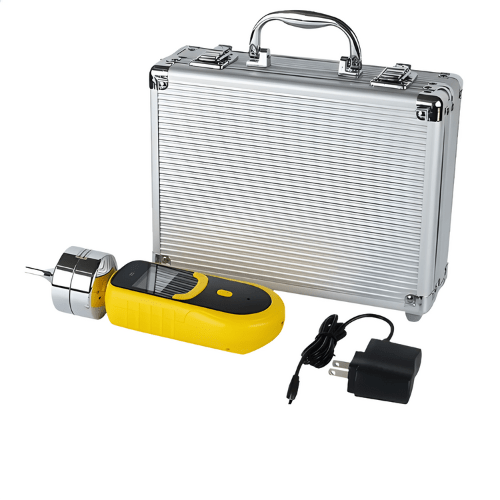
Enviro Testers Ammonia Gas Analyzer
Product successfully added to the Quote List
-
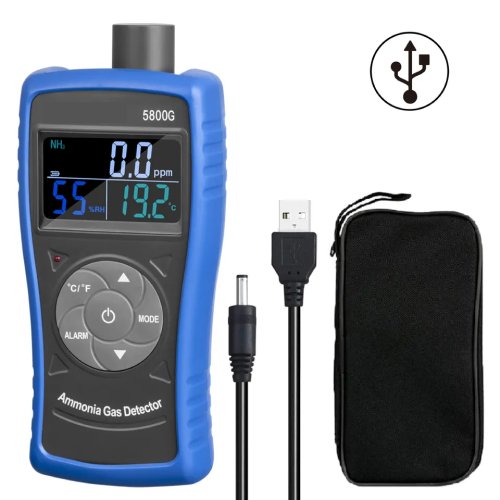
Enviro Testers Ammonia Gas Analyzer – Rugged and Durable
Product successfully added to the Quote List
-
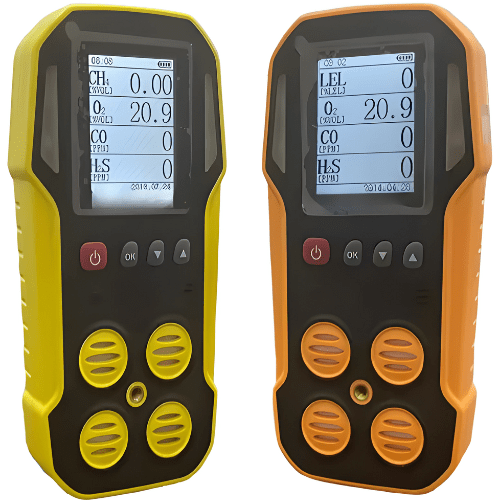
Enviro Testers Ammonia Gas Analyzer NH3
Product successfully added to the Quote List
-
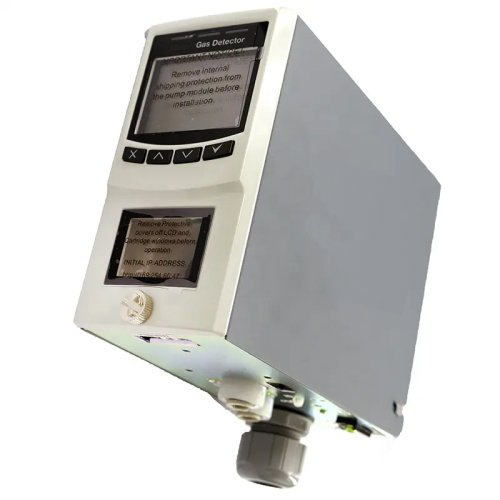
Enviro Testers Ammonia Gas Detector
Product successfully added to the Quote List
-
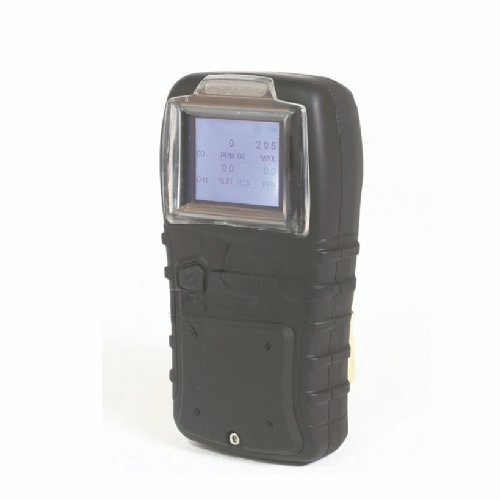
Enviro Testers Ammonia Gas Detector
Product successfully added to the Quote List
-

Enviro Testers Ammonia Gas Detector
Product successfully added to the Quote List