
Carbon Monoxide Monitors
Carbon monoxide monitors measure CO concentration to support life-safety response, ventilation control, and exposure management in industrial and commercial environments. Typical deployments include fixed transmitters in parking garages and mechanical rooms, industrial detectors near combustion equipment, and portable instruments for maintenance verification and incident response. CO sensing commonly relies on electrochemical cells that provide good sensitivity in the ppm range, with compensation routines used to improve stability across temperature and humidity changes. Outputs often include 4 to 20 mA, 0 to 10 V, relay contacts, Modbus, BACnet, or Ethernet gateways for integration with PLCs, SCADA, and building automation systems. Properly engineered CO monitoring supports faster alarm response, better control of exhaust fans, and defensible measurement records for EHS programs and facility operations.
Technical definition: what CO monitors measure and how engineers use the signal
Carbon monoxide monitors are instruments that quantify CO in air and convert the measurement into alarms, control outputs, and historical records. CO is a toxic gas produced by incomplete combustion, making it a priority hazard around boilers, generators, forklifts, heaters, and vehicle traffic areas. Engineering teams specify monitors using range, accuracy
or repeatability targets, response time, drift behavior, and environmental limits so the signal can be used for ventilation control loops, safety escalation procedures, and compliance reporting.
Product types used for carbon monoxide monitoring architectures
Fixed CO transmitters for ventilation control
Installed in garages, loading docks, and indoor traffic zones to control exhaust fans and maintain safe air quality.
Industrial fixed CO detectors for combustion spaces
Placed near boilers, burners, engines, and generator rooms to provide early warning and trigger alarms or interlocks.
Portable CO monitors and survey instruments
Used for troubleshooting complaints, verifying safe conditions before work, and checking equipment after maintenance or start-up events.
Personal CO monitors (assumption-based)
Worn by workers in higher-risk tasks such as confined-space work or combustion tuning. Assumption: the safety program requires personal alarming with defined test intervals.
Controllers, annunciators, and communications gateways
Aggregate sensor inputs, apply alarm logic, supervise faults, and interface with PLCs and building automation.
Sensor technologies commonly used for CO detection
Electrochemical CO sensors
Most common approach for ppm-level detection, supporting life-safety alarming and ventilation control in many environments.
Infrared CO sensing (assumption-based)
Used in some industrial cases where electrochemical limitations or specific performance targets drive selection. Assumption: the application justifies this method and site conditions support it.
Temperature and humidity compensation routines
Applied to improve stability in environments with wide seasonal swings or frequent humidity changes.
Enviro Testers has quickly established itself as a trusted leader in delivering advanced instrumentation for air, soil, and water measurement programs. With a growing B2B
presence across North America, we lead in technology innovation, product reliability, and customer-focused support. Through research, continuous product development, a strict quality assurance process, and expert guidance, we help businesses streamline operations and unlock the full potential of testing and measurement solutions.
Measurement performance and alarm behavior that matter in real incidents
Range selection aligned to risk scenarios
Ventilation control typically needs ranges optimized for low-to-moderate ppm trends, while industrial combustion rooms may require higher ranges to capture upset events without saturating.
Response time under changing airflow
Garages and loading docks see fast concentration swings when traffic patterns change. Proper sensor placement and inlet design influence time-to-alarm and control loop stability.
Drift control and repeatability for trending
EHS teams often need confidence that month-to-month trends reflect real exposure changes, not sensor drift. Drift tracking and defined calibration intervals support defensible records.
Interference awareness and cross-sensitivity management
Electrochemical sensors can respond to certain gases. Engineering teams evaluate cross- sensitivity data and validate performance under representative site conditions.
System integration options for facilities and OT environments
Output interfaces commonly required by engineers
CO monitors are frequently selected by their integration options:
- 4 to 20 mA outputs for PLC analog inputs and historian logging
- 0 to 10 V outputs for BAS-driven fan control
- Relay contacts for local alarms, fan starters, or interlock circuits
- Modbus RTU/TCP for multi-drop networks and centralized monitoring
- BACnet (assumption-based) for direct BAS integration where required
Control logic configurations
Garages and mechanical rooms often need multi-stage control:
- Advisory thresholds for early fan ramp-up
- Higher thresholds for alarms and escalation
- Averaging windows to avoid fan hunting while maintaining safety response
- Fault supervision and defined fail-safe states for control outputs
Event logging and audit support
Controllers or gateways can retain alarm histories, fault events, and maintenance notes that support commissioning reports and incident timelines.
Deployment configurations for difficult environments
Enclosures and ingress protection
Washdown, dust, salt air, and humidity require correct IP or NEMA ratings. Industrial enclosures reduce electronics failures and protect sensor stability.
Placement strategies based on airflow realities
CO stratification can vary with temperature, air movement, and exhaust patterns. Installers often validate placement using smoke tests or airflow assessments during commissioning.
Remote sensing and sampling (assumption-based)
Remote heads or pumped sampling can reduce service exposure in higher-risk areas. Assumption: tubing length, response-time tradeoffs, and condensation risks are addressed in design.
Calibration, bump testing, and lifecycle management
Verification routines aligned to maintenance schedules
Facilities typically define bump test frequency and calibration intervals based on sensor type, environment severity, and the safety case for the area.
Calibration gas and traceability controls
Certified gas mixtures and documented procedures support defensible maintenance records, especially where compliance documentation is reviewed.
Diagnostics that reduce downtime
Useful features include end-of-life indicators for electrochemical cells, drift flags, and fault codes that distinguish sensor issues from real CO events.
- Parking garages use fixed CO transmitters to control exhaust fans and maintain safe conditions during peak traffic.
- Loading docks monitor CO from idling trucks to protect workers and support ventilation performance verification.
- Warehouses track CO from propane forklifts to reduce exposure risk and identify maintenance issues early.
- Generator rooms monitor CO during weekly tests to validate exhaust integrity and prevent hazardous buildup.
- Boiler rooms monitor CO near burners to support safe startup, tuning work, and early fault detection.
- Tunnel and underground operations monitor CO to trigger ventilation response and support worker safety procedures.
- Fleet maintenance bays use portable CO monitors to verify safe conditions after exhaust repairs and engine diagnostics.
- Fire stations monitor CO in apparatus bays to control fan systems and reduce chronic low-level exposure.
- Industrial kitchens monitor CO near combustion appliances to detect venting problems and support corrective actions.
- Confined-space entry programs use CO monitoring to control exposure during work near combustion sources and exhaust pathways.
- Temporary construction enclosures monitor CO from heaters to protect crews and verify make-up air delivery.
- Refineries and power plants monitor CO in combustion areas to support safety alarms and process troubleshooting workflows.
- OSHA 29 CFR 1000 Air Contaminants
- OSHA 29 CFR 146 Permit-Required Confined Spaces
- OSHA 29 CFR 1200 Hazard Communication
- OSHA 29 CFR 147 Control of Hazardous Energy (Lockout/Tagout)
- ANSI/ASSP 1 Confined Spaces
- NFPA 70 National Electrical Code (NEC)
- NFPA 72 National Fire Alarm and Signaling Code
- International Mechanical Code (IMC) ventilation provisions (jurisdiction-dependent)
- International Fire Code (IFC) provisions (jurisdiction-dependent)
- ASHRAE 1 Ventilation for Acceptable Indoor Air Quality
- UL certifications applicable to CO monitoring equipment (model-dependent)
- CSA certifications applicable to CO monitoring equipment (model-dependent)
- WHMIS requirements for hazardous products in Canada
- CCOHS exposure references for carbon monoxide
- Provincial OHS regulations in Canada (jurisdiction-dependent)
Canadian Electrical Code requirements for special or hazardous locations (site- dependent)
CO measurement engineered for fast response and defensible decisions
CO hazards often develop quickly during equipment faults, poor combustion, or unexpected traffic patterns in enclosed spaces. Enviro Testers prioritizes sensor selection and configuration that support reliable ppm detection, stable response, and alarm behavior aligned to site procedures.
Stability and drift controls that improve long-term trending
Ventilation control and EHS trending depend on repeatable measurements over time. Differentiators that matter include:
- Compensation routines designed for temperature and humidity variability
- Drift tracking with maintenance prompts that support planned service windows
- Clear calibration workflows that preserve setpoints and scaling after service
- Diagnostics that identify sensor end-of-life before readings become unreliable
Integration-ready outputs for BAS, PLC, and safety systems
CO monitors are usually part of a broader control and alarm architecture. Engineering teams benefit from:
- Documented 4 to 20 mA and 0 to 10 V scaling conventions
- Relay behavior definitions for alarm and fan control circuits
- Communications options suitable for system integrators building centralized dashboards
- Event logs that support commissioning signoff and incident investigations
Practical deployment guidance based on real field conditions
Most CO monitoring problems trace back to placement and airflow, not sensor technology. Enviro Testers supports engineering teams with guidance on:
- Avoiding biased readings near supply air drafts or dead zones
- Coordinating sensor placement with exhaust fan locations and control zones
- Selecting setpoints that reduce nuisance alarms while protecting workers
- Verifying performance through functional tests during commissioning
Standardization support for procurement and multi-site maintenance
Procurement teams often want fewer SKUs and predictable spares. Enviro Testers supports standardization strategies that balance operational needs with engineering fit, including common accessories, consistent documentation, and service plans aligned to site criticality.
Teams deploying CO monitoring systems often need help defining sensor placement, selecting output interfaces, and tuning ventilation control logic to avoid nuisance alarms while protecting personnel. Connect with Enviro Testers through our Contact Us page to request product information, technical consultation, integration support, procurement guidance, or help building calibration and verification workflows.
Showing 17–32 of 138 results
-
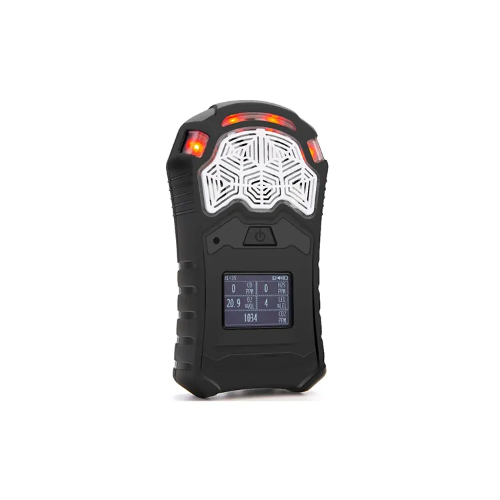
Enviro Testers Carbon Monoxide Gas Detector
Product successfully added to the Quote List
-
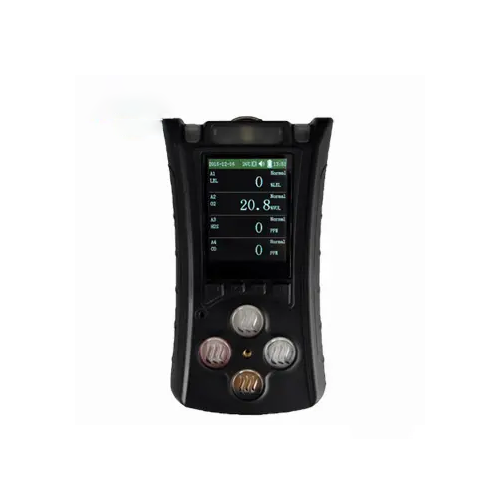
Enviro Testers Carbon Monoxide Gas Detector
Product successfully added to the Quote List
-

Enviro Testers Carbon Monoxide Gas Detector
Product successfully added to the Quote List
-
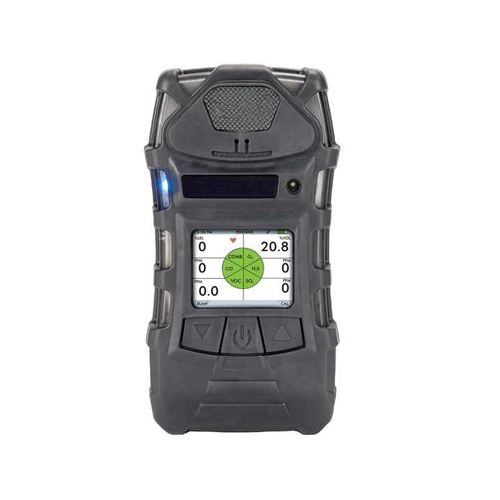
Enviro Testers Carbon Monoxide Gas Detector
Product successfully added to the Quote List
-
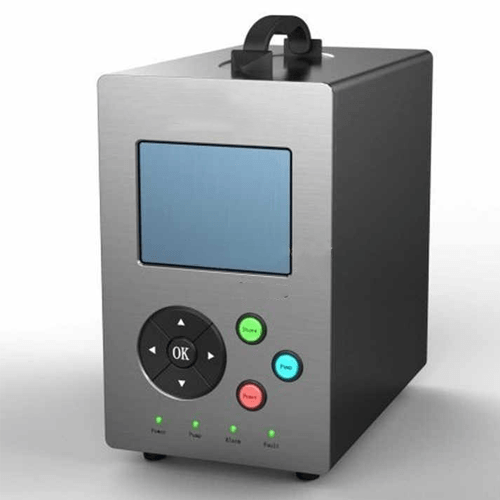
Enviro Testers Carbon Monoxide Gas Detector
Product successfully added to the Quote List
-
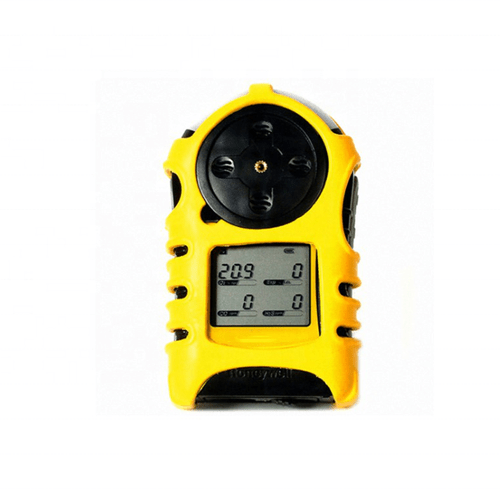
Enviro Testers Carbon Monoxide Gas Detector
Product successfully added to the Quote List
-
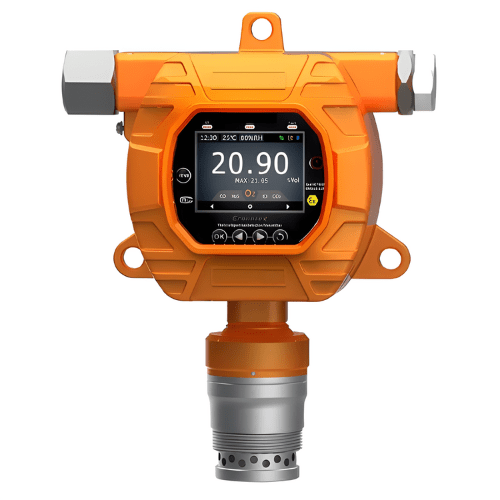
Enviro Testers Carbon Monoxide Gas Detector
Product successfully added to the Quote List
-

Enviro Testers Carbon Monoxide Gas Detector
Product successfully added to the Quote List
-
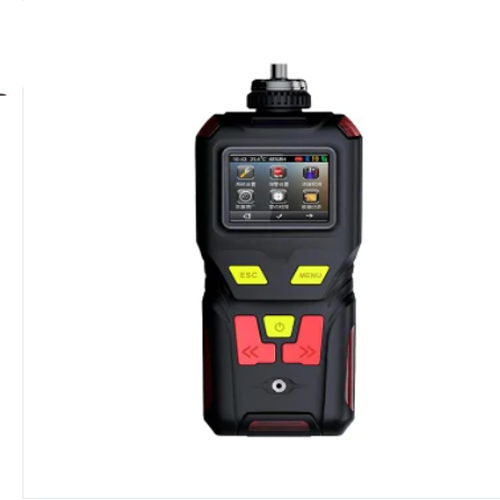
Enviro Testers Carbon Monoxide Gas Detector – Dust and Splash-Proof
Product successfully added to the Quote List
-

Enviro Testers Carbon Monoxide Gas Detector Alarm Analyzer
Product successfully added to the Quote List
-

Enviro Testers Carbon Monoxide Gas Detector Sensor
Product successfully added to the Quote List
-

Enviro Testers Carbon Monoxide Gas Leak Detector
Product successfully added to the Quote List
-

Enviro Testers Carbon Monoxide Gas Leak Detector
Product successfully added to the Quote List
-
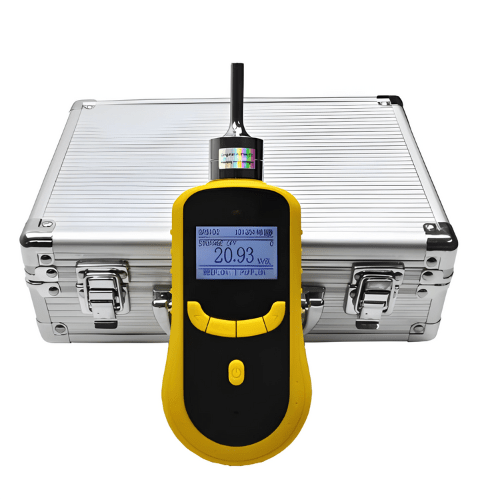
Enviro Testers Carbon Monoxide Gas Leak Detector
Product successfully added to the Quote List
-
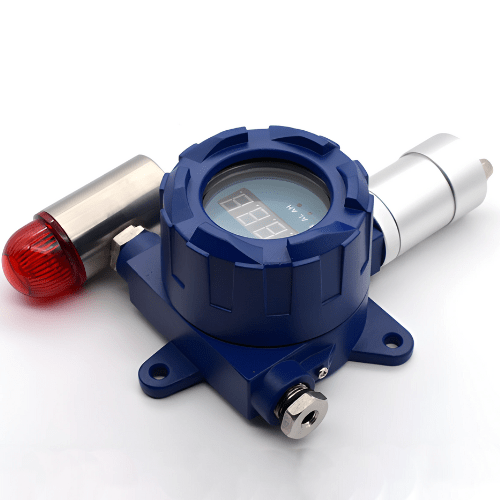
Enviro Testers Carbon Monoxide Leak Detection
Product successfully added to the Quote List
-
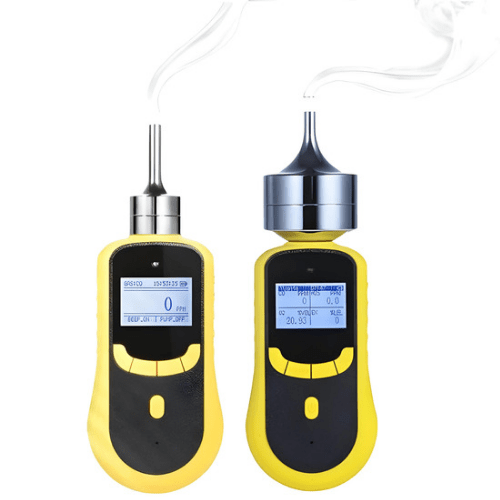
Enviro Testers Carbon Monoxide Meter Analyzer
Product successfully added to the Quote List