
Combustible Gas Sensors
Combustible gas sensors detect flammable gases and vapors to help prevent ignition events, control LEL risk, and support safe operations in hazardous environments. Typical deployments include fixed LEL detectors in process units, pump rooms, and compressor stations, plus portable gas meters used for hot work permits and confined-space entry checks. Sensor technologies commonly include catalytic bead elements for broad hydrocarbon response, infrared (IR) LEL sensors for oxygen-variable environments, and metal-oxide semiconductors for certain rugged applications. Systems output alarms and control signals through relays, 4 to 20 mA, and digital protocols such as Modbus or Ethernet gateways for PLC and SCADA integration. Properly specified flammable gas detection supports faster leak localization, ventilation verification, and auditable measurement records aligned with site safety procedures and engineering change control.
Technical definition: what combustible gas sensors measure
Combustible gas sensors measure the concentration of flammable gases and vapors, typically expressed as a percentage of the Lower Explosive Limit (percent LEL). The output signal is used to trigger alarms, activate ventilation, initiate shutdown actions, and document unsafe conditions. For many facilities, LEL detection provides a practical control layer that complements process safeguards by detecting leaks in open areas before they reach ignitable levels.
Product types used in flammable gas detection architectures
Fixed combustible gas detectors and transmitters
Installed near credible leak sources such as pumps, seals, compressors, valves, gas trains, and loading points. These devices provide continuous percent LEL readings and alarm outputs.
Point detectors with controller-based alarm panels
Used when multi-sensor systems require centralized supervision, alarm management, event logging, and integration to PLCs or emergency shutdown circuits.
Portable combustible gas meters
Used for pre-entry screening, hot work checks, leak tracing, and verification after maintenance or startups.
Sampling-based LEL detection (assumption-based)
Used when sensors must be placed away from harsh conditions or when multiple sample points are multiplexed. Assumption: transport delay and tubing maintenance are acceptable for the risk scenario.
Hybrid multi-gas monitors
Combine LEL sensing with oxygen and toxic gas channels for operations that require broader hazard coverage, such as confined-space entry.
Sensor technologies commonly used for combustible gas measurement
Catalytic bead (pellistor) LEL sensors
Detect flammable gases through oxidation on a heated bead and are valued for broad response across many hydrocarbons. Performance depends on oxygen availability and can be affected by catalyst poisons.
Infrared (IR) LEL sensors
Use optical absorption to measure hydrocarbons. Often selected where oxygen levels may vary or where resistance to poisoning and long-term stability are priorities.
Metal-oxide semiconductor (MOS) sensors (assumption-based)
Used in some rugged or cost-sensitive scenarios, with careful evaluation of selectivity and environmental influences. Assumption: the target gas mix and interferences are well understood.
Enviro Testers has quickly established itself as a trusted leader in delivering advanced instrumentation for air, soil, and water measurement programs. With a growing B2B presence across North America, we lead in technology innovation, product reliability, and
customer-focused support. Through research, continuous product development, a strict quality assurance process, and expert guidance, we help businesses streamline operations and unlock the full potential of testing and measurement solutions.
Measurement and alarm performance features engineers validate
Target gas selection and calibration basis
LEL sensors are calibrated to a reference gas, often methane or propane. Readings for other gases can differ, so sites define calibration basis and apply correction factors where needed.
Response time and recovery behavior
Fast response supports earlier ventilation activation and escalation. Recovery behavior matters when verifying that mitigation actions reduced percent LEL after a leak is isolated.
Poison resistance and contamination controls
Catalytic sensors can be degraded by silicones, sulfur compounds, lead-containing vapors, and certain solvents. Filtration options and sensor selection should match the site’s chemical exposure profile.
Oxygen dependency and low-O2 suitability
Catalytic beads require oxygen to function properly, while IR LEL sensors can be more suitable where oxygen levels fluctuate. Engineering teams document assumptions about oxygen availability.
Environmental tolerance
Temperature swings, humidity, dust, salt air, and washdown conditions affect stability and maintenance requirements. Enclosure selection and filters help protect sensing elements and electronics.
Integration options for control systems, safety layers, and documentation
Industrial outputs and communications
Common integration options include:
- 4 to 20 mA outputs for PLC analog inputs and historian trending
- Relay outputs for horns, beacons, fan starters, and interlocks
- Modbus RTU/TCP for multi-point monitoring and centralized dashboards
- Ethernet gateways for OT networks with segmented architectures
Alarm logic and escalation configuration
Facilities typically configure:
- Multi-stage alarms, such as pre-alarm and high alarm, aligned to procedures
- Latching alarms for high-severity thresholds tied to evacuation workflows
- Time delays or voting logic where justified by risk assessment
- Fault supervision for sensor failure, signal loss, and power integrity
Event logging and change control support
Controllers can record alarm events, acknowledgements, faults, and maintenance actions to support incident timelines and engineering reviews.
Deployment configurations that reduce commissioning friction
Detector placement aligned to dispersion behavior
Flammable gas dispersion depends on molecular weight, temperature, and ventilation patterns. Placement is driven by credible leak sources and airflow mapping, not only by general rules.
Remote heads, sampling, and service access
Service-friendly mounting reduces time spent in higher-risk zones during calibration and bump testing. Sampling approaches are evaluated for transport delay and condensation risks.
Hazardous area suitability (site-dependent)
Electrical area classification and ignition prevention requirements influence housing approvals, wiring methods, and barrier selection.
Calibration, bump testing, and lifecycle management
Bump testing and calibration intervals
Intervals are typically defined by safety criticality, sensor technology, and exposure to poisons or harsh conditions. Documented procedures support audit readiness.
Functional safety and proof testing (assumption-based)
Some facilities require proof testing aligned to safety instrumented function requirements. Assumption: the LEL detection loop is part of a documented safety lifecycle program.
Diagnostics that reduce downtime
Useful indicators include sensor fault codes, IR source health flags, blocked filter warnings, and end-of-life prompts for scheduled replacements.
- Oil and gas compressor stations monitor percent LEL near seals and valves to trigger ventilation and alarms quickly.
- Refinery pump alleys use fixed LEL detectors to identify hydrocarbon leaks before they reach ignitable concentrations.
- Chemical plants monitor solvent vapor buildup in process areas to protect personnel and reduce ignition event probability.
- LNG facilities deploy IR LEL sensors where oxygen variability can reduce catalytic sensor reliability during upset conditions.
- Fuel loading racks monitor flammable vapors near couplings and breakaways to reduce release duration and escalation risk.
- Paint and coating operations monitor solvent vapors to support ventilation verification and hazardous area work controls.
- Wastewater digesters monitor methane in enclosed rooms to trigger alarms and support safe maintenance entry checks.
- Battery energy storage rooms monitor hydrogen accumulation to control ventilation and reduce ignition risk during off-gassing events.
- Mining and tunneling operations use portable meters for hot work checks and ventilation verification in variable airflow zones.
- Confined-space entry programs use multi-gas meters to verify percent LEL remains below permit thresholds during work.
- Pulp and paper plants monitor combustible vapors near recovery boilers and chemical storage to support incident prevention.
Marine engine rooms monitor fuel vapor leaks to support alarm response and reduce ignition hazards during operations.
- OSHA 29 CFR 146 Permit-Required Confined Spaces
- OSHA 29 CFR 119 Process Safety Management (PSM)
- OSHA 29 CFR 1200 Hazard Communication
- OSHA 29 CFR 147 Control of Hazardous Energy (Lockout/Tagout)
- OSHA 29 CFR 1910 Subpart S Electrical
- EPA Risk Management Program 40 CFR Part 68
- ANSI/ASSP 1 Confined Spaces
- NFPA 70 National Electrical Code (NEC)
- NFPA 72 National Fire Alarm and Signaling Code
- NFPA 497 Recommended Practice for Classification of Flammable Liquids, Gases, or Vapors
- NFPA 30 Flammable and Combustible Liquids Code
- API RP 500 and API RP 505 (hazardous area classification)
- ISA 84 / IEC 61511 (functional safety, site-dependent)
- UL certifications applicable to combustible gas detection equipment (model- dependent)
- CSA certifications applicable to combustible gas detection equipment (model- dependent)
- Canadian Electrical Code requirements for hazardous locations (site-dependent)
- WHMIS requirements for hazardous products in Canada
Provincial OHS regulations in Canada (jurisdiction-dependent)
Sensor technology matched to the real ignition risk scenario
Flammable gas detection performance depends on the gas mix, oxygen conditions, and contamination exposure. Enviro Testers supports engineering-led selection between
catalytic bead, IR LEL, and other sensor approaches so the sensor’s physics aligns with the safety function. That reduces the risk of hidden failures caused by poisoning, oxygen depletion, or misapplied calibration assumptions.
Better control of nuisance alarms without blinding the safety function
Operators lose confidence when LEL alarms chatter or correlate poorly with real leaks. Practical differentiators include:
- Configurable averaging and delays aligned to dispersion dynamics and risk assessment
- Multi-stage alarms that separate early warning from high-severity response
- Placement guidance that accounts for ventilation short-circuiting and dead zones
- Diagnostics that distinguish sensor faults from true percent LEL events
Integration-ready outputs for PLC, SCADA, and shutdown architectures
Combustible gas detection often feeds alarms, ventilation, and interlocks. Enviro Testers emphasizes integration clarity through:
- Documented 4 to 20 mA scaling and defined fault current conventions
- Deterministic relay behavior during power loss and sensor failure states
- Modbus mappings and status registers suited to system integrators
- Event logs that support incident investigation and maintenance traceability
Maintainability designed for real field constraints
LEL detectors live in harsh conditions and are often serviced during short outages. Engineering-oriented maintainability includes:
- Service-friendly mounting and accessible calibration interfaces
- Filter strategies that protect sensors while preserving response time targets
- Clear bump test workflows that verify the full alarm path, not only the sensor
- Spares planning guidance tied to exposure to poisons and environmental severity
Procurement-friendly standardization without sacrificing engineering fit
Multi-site operators often want standard part numbers, predictable lead times, and consistent documentation. Enviro Testers supports standardization programs that still allow sensor technology to vary by zone when the risk profile demands it.
Facilities planning LEL detection upgrades often need help selecting sensor technology, defining alarm thresholds, integrating outputs into PLC or ESD logic, and building calibration workflows that remain defensible over time. Connect with Enviro Testers through our Contact Us page to request product information, technical consultation, system integration guidance, procurement support, or assistance developing maintenance and verification procedures.
Showing 1–16 of 138 results
-
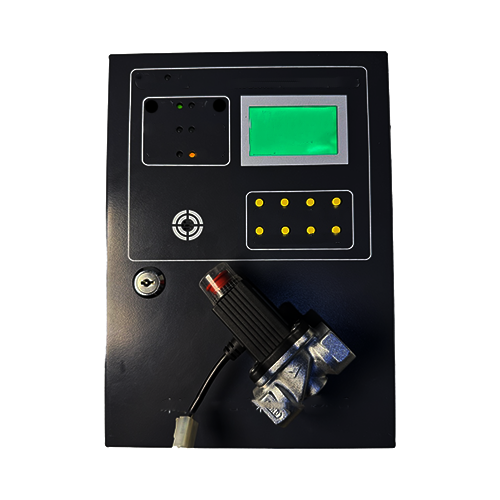
16-Channel Digital Gas Alarm Controller – Enviro Testers
Product successfully added to the Quote List
-
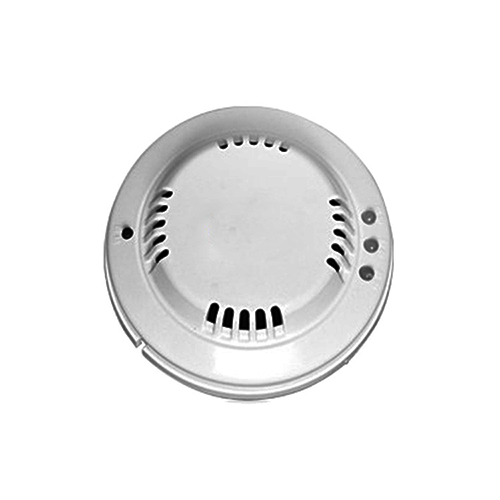
Ceiling Mounted Wi-Fi/NB-IoT Combustible Gas Detector – Enviro Testers
Product successfully added to the Quote List
-
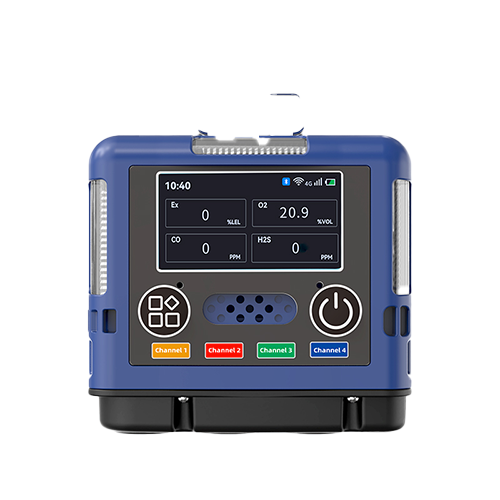
Clip-Type Portable 4-Gas Personal Monitor – Enviro Testers
Product successfully added to the Quote List
-

CO2 Controller for Mushrooms with Multi-Channel Input – Enviro Testers
Product successfully added to the Quote List
-
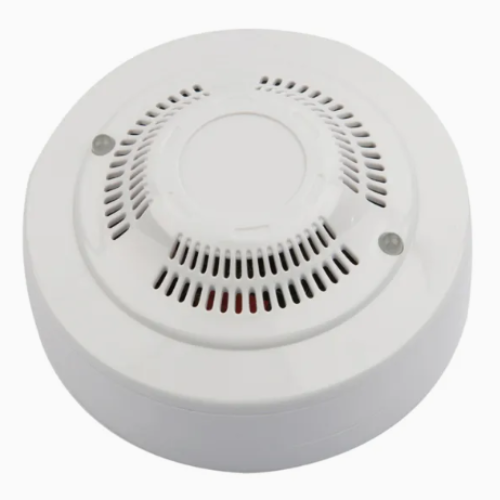
Combustible NG / LPG Gas Detector Alarm – Enviro Testers
Product successfully added to the Quote List
-

Digital Combustible Gas Leak Detector with Flexible Probe & Fast Alarm – Enviro Testers
Product successfully added to the Quote List
-

Digital Gas Detector with Remote Monitoring and High Accuracy Sensors – Enviro Testers
Product successfully added to the Quote List
-

Digital Smart Multi-Meter Combustible Gas Leak Detector – Enviro Testers
Product successfully added to the Quote List
-
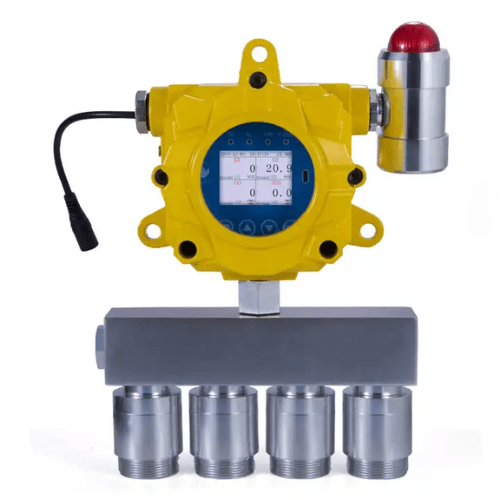
Enviro Testers 4 In 1 Gas Detector
Product successfully added to the Quote List
-
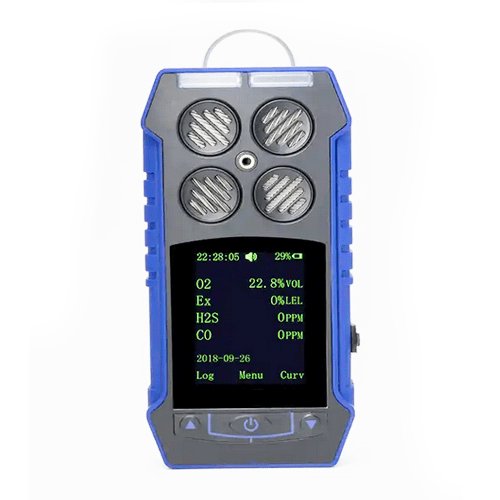
Enviro Testers 4 in 1 Gas Detector
Product successfully added to the Quote List
-
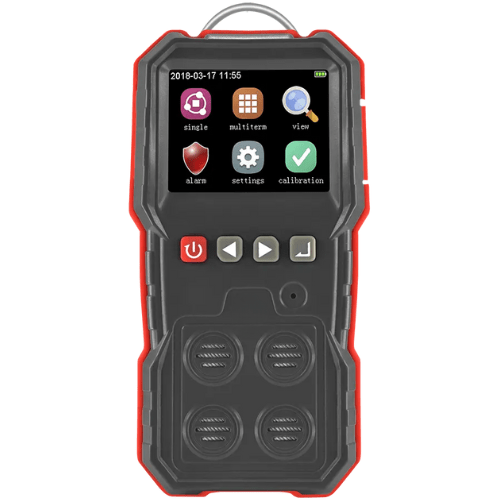
Enviro Testers Carbon Monoxide Gas Detector
Product successfully added to the Quote List
-
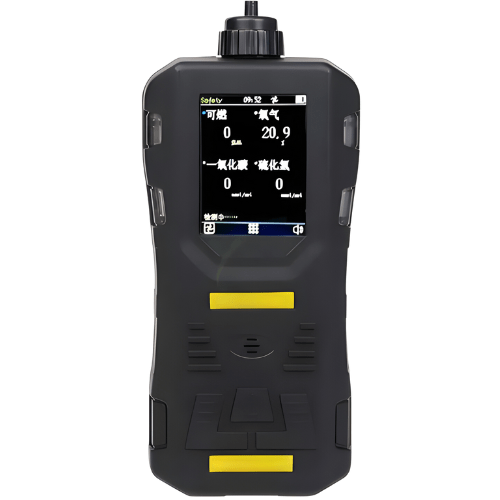
Enviro Testers Combustibe Gas Detector
Product successfully added to the Quote List
-
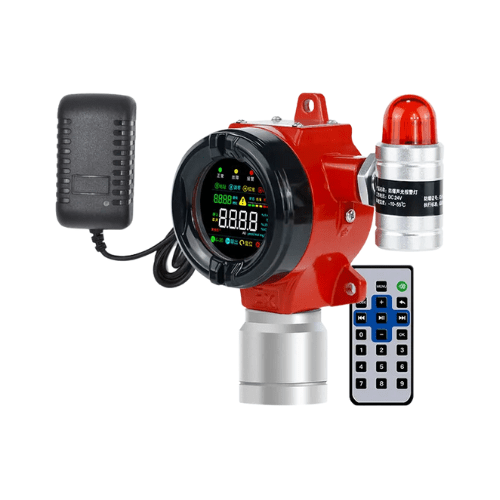
Enviro Testers Combustible Fixed Gas Detector
Product successfully added to the Quote List
-

Enviro Testers Combustible Flammable Gas Detector
Product successfully added to the Quote List
-
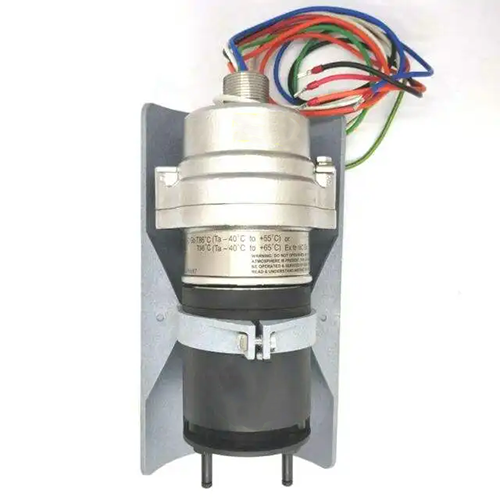
Enviro Testers Combustible Gas Detector
Product successfully added to the Quote List
-
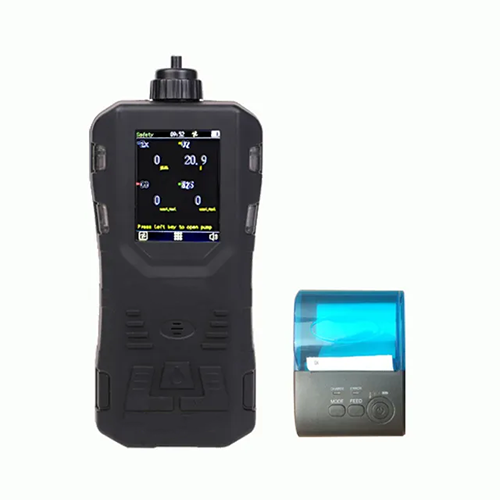
Enviro Testers Combustible Gas Detector
Product successfully added to the Quote List