
Formaldehyde Gas Monitors
Formaldehyde gas monitors measure airborne HCHO to support exposure control, process assurance, and ventilation verification in manufacturing and occupied facilities. Typical solutions include fixed-point detectors for continuous area monitoring, portable instruments for investigations and commissioning, and sampling-based systems used where sensor placement must be kept outside harsh or restricted zones. Formaldehyde detection often uses electrochemical sensing for low-level ppm measurement, photoionization detection with compound-specific interpretation in mixed VOC environments, or optical methods when selectivity and stability are priorities. Integration options include relay alarms, 4 to 20 mA outputs, and digital communications such as Modbus or Ethernet gateways for PLC and facility monitoring platforms. Properly specified monitors help teams identify off-gassing sources, validate capture and exhaust performance, and maintain defensible measurement records for industrial hygiene programs.
Technical definition: what formaldehyde monitors measure and how results are applied
Formaldehyde gas monitors are instruments that quantify HCHO concentration in air and convert that measurement into alarms, control outputs, and time-stamped records.
Formaldehyde is a reactive aldehyde that can be present from resin curing, combustion byproducts, sterilants, and building materials. Engineering and EHS teams use monitoring data to manage short-term peaks, validate local exhaust ventilation, document exposure controls, and support corrective actions when off-gassing increases due to process changes.
Product types used for HCHO monitoring programs
Fixed formaldehyde detectors and transmitters
Installed near credible emission sources such as resin mixing, press lines, curing ovens, and storage areas. Fixed systems support continuous trending and alarm outputs.
Portable formaldehyde monitors and survey instruments
Used for walkdowns, complaint investigations, commissioning ventilation changes, and verifying safe conditions before maintenance tasks.
Sampling-based formaldehyde monitoring (assumption-based)
Used when sensors must be located away from heat, moisture, or restricted spaces. Assumption: sampling line delay and tubing maintenance are acceptable for the monitoring objective.
Multi-gas and VOC monitoring platforms (assumption-based)
Used when HCHO is part of a broader emissions profile that includes other aldehydes or VOCs. Assumption: the technology and method are validated for the specific gas mixture.
Controllers, annunciators, and gateways
Aggregate multiple sensors, apply alarm logic, supervise faults, and integrate data with PLCs, SCADA, or facility dashboards.
Sensor technologies commonly applied to formaldehyde measurement
Electrochemical HCHO sensors
Commonly selected for low-level measurement where industrial hygiene programs need consistent ppm response and practical calibration workflows.
Photoionization detection (PID) with interpretation (assumption-based)
PIDs respond to many VOCs, so formaldehyde-specific interpretation requires method controls or complementary sensing. Assumption: the environment is understood and the method is suitable.
Optical methods (assumption-based)
Optical absorption approaches can be used where selectivity and stability are critical. Assumption: maintenance and installation conditions support optical performance.
Enviro Testers has quickly established itself as a trusted leader in delivering advanced instrumentation for air, soil, and water measurement programs. With a growing B2B presence across North America, we lead in technology innovation, product reliability, and
customer-focused support. Through research, continuous product development, a strict quality assurance process, and expert guidance, we help businesses streamline operations and unlock the full potential of testing and measurement solutions.
Measurement performance capabilities that drive reliable decisions
Low-level sensitivity and range selection
Many formaldehyde use cases require detection of low ppm trends and short-duration peaks. Range selection should preserve resolution at low levels while avoiding saturation during upset events.
Response time and peak capture
Resin processes and sterilization events can produce rapid increases. Monitoring systems should capture peak behavior without excessive averaging that hides transient exposures.
Selectivity and interference management
Formaldehyde is often present with alcohols, solvents, and other aldehydes. Sensor selection should consider cross-sensitivity characteristics and provide practical methods for validating performance under real conditions.
Temperature and humidity tolerance
Curing ovens, washdown zones, and humid production rooms can affect sensor stability. Environmental compensation and appropriate housings reduce nuisance alarms and measurement drift.
Integration options for controls and EHS documentation
Industrial outputs and communications
Common integration requirements include:
- 4 to 20 mA outputs for PLC inputs and historian trending
- Relay outputs for audible and visual alarms or ventilation enable signals
- Modbus RTU/TCP for multi-point networks and centralized monitoring
- Ethernet gateways for OT environments that require addressable devices
Alarm logic configuration aligned to exposure control procedures
Facilities often configure:
- Advisory and high alarms tied to response playbooks
- Latching behavior for higher severity thresholds when escalation is required
- Delays and averaging windows designed to reduce nuisance behavior without hiding peaks
- Sensor fault supervision and defined fail-safe states for outputs
Data logging for audit and incident review
Controllers and gateways can store alarm events, calibrations, and maintenance notes to support industrial hygiene documentation and change management.
Deployment configurations for production environments
Placement driven by emission pathways and airflow
HCHO sources can include point emissions and broader off-gassing from materials. Placement strategies focus on emission points, worker breathing zones, and exhaust capture effectiveness.
Sampling options for hot or wet zones (assumption-based)
Sampling can pull air from near ovens, press exhaust streams, or enclosed cabinets while keeping sensors accessible. Assumption: condensation control and sampling line maintenance are addressed.
Service access and maintenance safety
Service-friendly mounting reduces time in higher-risk zones during verification, calibration, and filter replacement tasks.
Calibration, verification, and lifecycle planning
Bump testing and calibration interval definition
Intervals are set based on criticality, sensor technology, and the chemical environment. Documented workflows improve repeatability and reduce downtime.
Calibration gas and traceability controls
Certified gases and controlled procedures help support defensible records. Site teams should confirm compatibility of gas mixtures with the chosen sensor type.
Diagnostics and health indicators
Useful features include drift tracking, end-of-life flags for electrochemical sensors, blocked inlet warnings, and sampling flow fault indicators.
- Composite wood manufacturing monitors HCHO near press lines to verify capture efficiency and protect workers during resin curing.
- Furniture finishing shops monitor off-gassing zones to validate ventilation and reduce exposure during adhesive and coating operations.
- Textile plants using resin treatments monitor production rooms to document exposure controls and identify process-driven emission increases.
- Healthcare sterilization areas monitor HCHO where formalin-based processes occur, supporting alarm response and room clearance verification.
- Laboratories monitor HCHO near specimen handling to verify hood performance and reduce exposure during high-use periods.
- Foundries monitor aldehyde emissions from binders to verify exhaust performance and support industrial hygiene sampling programs.
- Automotive interior manufacturing monitors off-gassing during material storage to maintain safe conditions and reduce odor-related complaints.
- Chemical blending operations monitor mixing and transfer points to detect leaks and validate enclosure integrity during batch changes.
- Building commissioning teams use portable monitors to investigate indoor air complaints linked to pressed-wood materials and renovations.
- Waste handling and incineration support teams monitor areas where combustion byproducts can elevate formaldehyde under abnormal conditions.
- Cleanroom support areas monitor HCHO when solvents and aldehydes coexist, helping isolate sources during contamination investigations.
- Schools and commercial buildings monitor renovation zones to verify ventilation controls and reduce occupant exposure risk during re-occupancy.
- OSHA 29 CFR 1048 Formaldehyde
- OSHA 29 CFR 1000 Air Contaminants
- OSHA 29 CFR 1200 Hazard Communication
- OSHA 29 CFR 146 Permit-Required Confined Spaces
- OSHA 29 CFR 147 Control of Hazardous Energy (Lockout/Tagout)
- NIOSH methods and exposure references for formaldehyde
- ACGIH TLVs and BEIs (program-dependent)
- ANSI/ASSP 1 Confined Spaces
- NFPA 70 National Electrical Code (NEC)
- NFPA 72 National Fire Alarm and Signaling Code
- EPA TSCA Title VI (formaldehyde emissions from composite wood products)
- UL certifications applicable to gas detection equipment (model-dependent)
- CSA certifications applicable to gas detection equipment (model-dependent)
- WHMIS requirements for hazardous products in Canada
- CCOHS exposure references for formaldehyde
- Provincial OHS regulations in Canada (jurisdiction-dependent)
Canadian Electrical Code requirements for special or hazardous locations (site- dependent)
HCHO monitoring engineered for source identification, not only alarming
Formaldehyde control often requires pinpointing emission sources and correlating concentration changes with process steps. Enviro Testers supports monitoring configurations that enable engineers to separate steady off-gassing from short-duration peaks, improving the quality of corrective actions such as capture hood adjustments, material changes, or process parameter tuning.
Selectivity and interference controls tailored to mixed chemical environments
Facilities with resins, solvents, and coatings need monitoring that stays credible when background vapors change. Practical differentiators include:
- Sensor selection guidance based on known interferences and humidity conditions
- Configuration strategies that preserve peak visibility without excessive smoothing
- Field verification workflows that validate response under representative conditions
- Diagnostics that flag sensor drift or contamination before data becomes unreliable
Integration-ready outputs for facility controls and EHS systems
HCHO monitoring often ties into ventilation controls and incident response procedures. Enviro Testers supports integration needs through:
- Documented 4 to 20 mA scaling with defined fault conventions
- Relay outputs for alarm annunciation and ventilation enable sequences
- Modbus connectivity for centralized dashboards and historian retention
- Event logs that support industrial hygiene documentation and investigations
Maintainability designed for production realities
Plants with hot zones, humidity swings, and frequent production changes need service workflows that fit limited downtime. Engineering-oriented maintainability includes:
- Service-friendly mounting for calibration and verification tasks
- Sampling options that keep sensors accessible where direct placement is impractical
- Drift tracking and end-of-life indicators to support planned replacements
- Spares planning aligned to sensor technology and chemical exposure severity
Procurement-friendly standardization with engineering fit
Multi-site operators often want consistent part numbers and predictable support. Enviro Testers helps teams standardize on a core monitoring platform while still matching sensor technology and ranges to each facility’s emission profile and operating conditions.
Teams deploying formaldehyde monitoring often need help selecting sensor technology, defining placement around emission sources, and building calibration workflows that remain defensible during audits and investigations. Connect with Enviro Testers through our Contact Us page to request product information, technical consultation, integration support, procurement guidance, or help designing verification and maintenance procedures.
Showing 1–16 of 71 results
-

2-in-1 HCHO & TVOC Air Pollution Detector with LCD & API Monitoring – Enviro Testers
Product successfully added to the Quote List
-
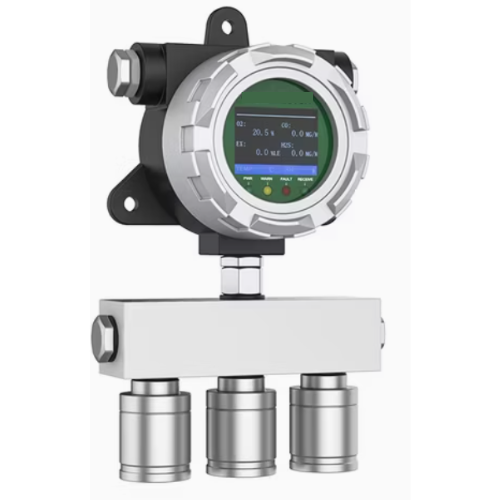
3 in 1 Gas Detector for Formaldehyde Ozone Fluorine Detection Alarm – Enviro Testers
Product successfully added to the Quote List
-
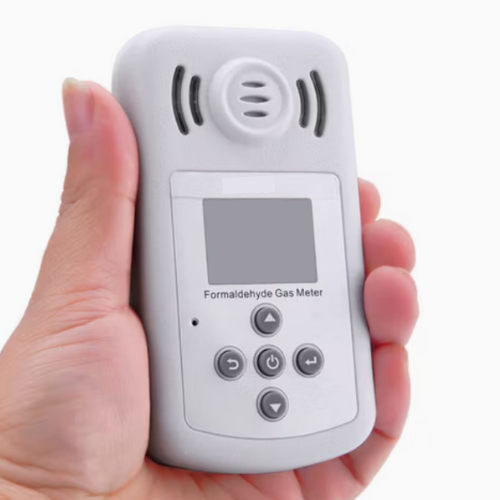
Battery-Charging Portable High Precision Formaldehyde Detector – Enviro Testers
Product successfully added to the Quote List
-
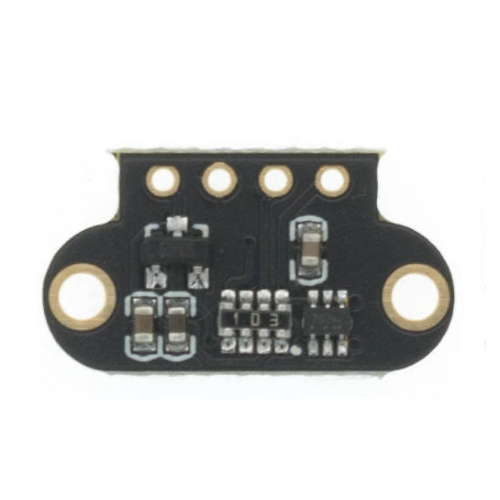
Compact Multi Pixel TVOC ECO₂ Gas Sensor with I²C Interface – Enviro Testers
Product successfully added to the Quote List
-
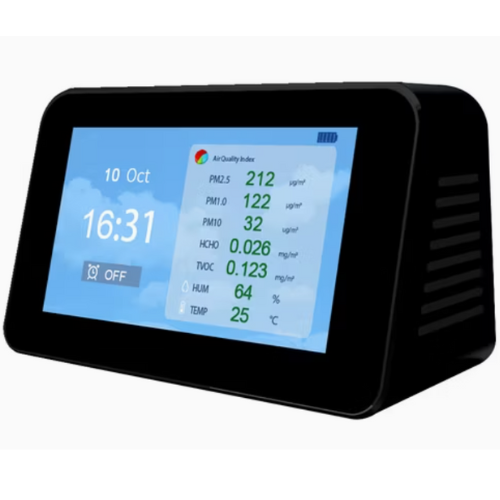
Desktop LCD Formaldehyde PM2.5 TVOC Monitor Electrochemistry Sensor – Enviro Testers
Product successfully added to the Quote List
-

Enviro Testers 0 ppm to 1000 ppm Formaldehyde Gas Detector
Product successfully added to the Quote List
-
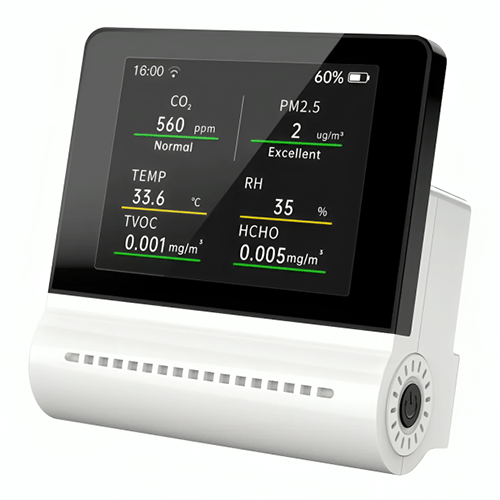
Enviro Testers Air Formaldehyde Meter
Product successfully added to the Quote List
-
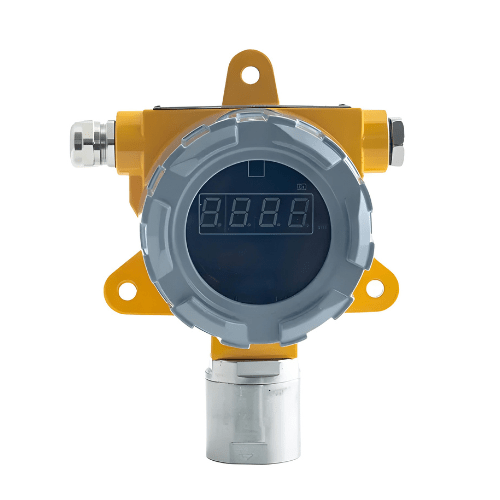
Enviro Testers Carbon Dioxide Monoxide Transmitter Formaldehyde Detection
Product successfully added to the Quote List
-
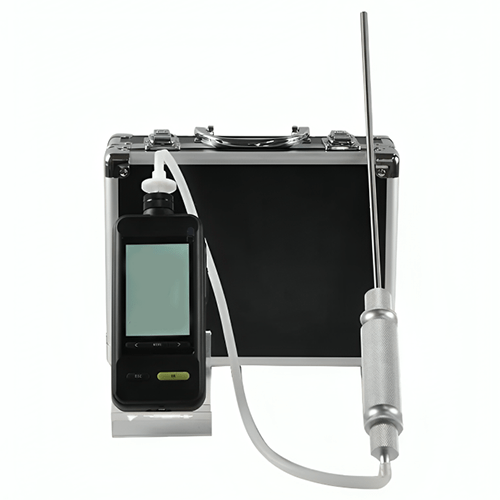
Enviro Testers CH2O Formaldehyde Gas Analyzer
Product successfully added to the Quote List
-
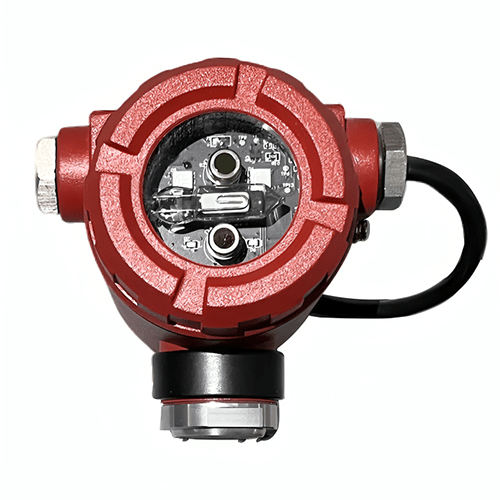
Enviro Testers Fixed Industrial Formaldehyde Gas Detector
Product successfully added to the Quote List
-
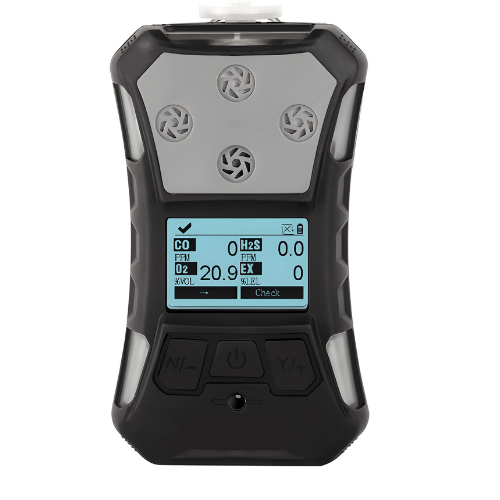
Enviro Testers Formaldehyde Gas Detector
Product successfully added to the Quote List
-
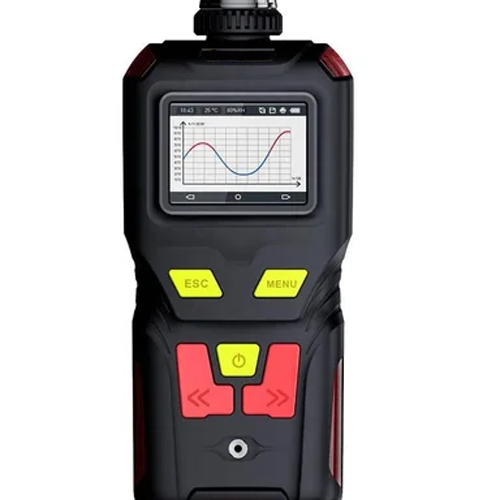
Enviro Testers Formaldehyde Gas Detector – IP 65 Protection
Product successfully added to the Quote List
-
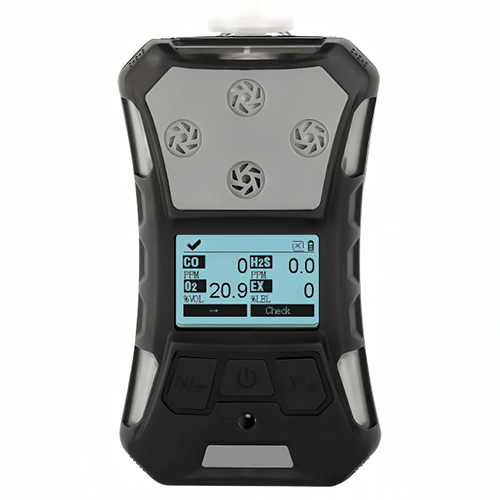
Enviro Testers Formaldehyde Gas Leak Detector
Product successfully added to the Quote List
-
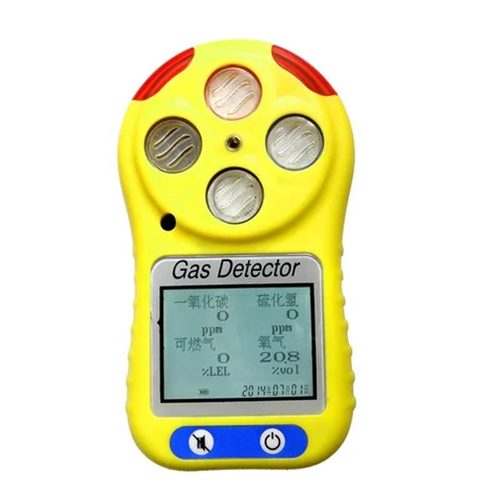
Enviro Testers Formaldehyde Gas Leak Detector – 300 Hours Working Time
Product successfully added to the Quote List
-
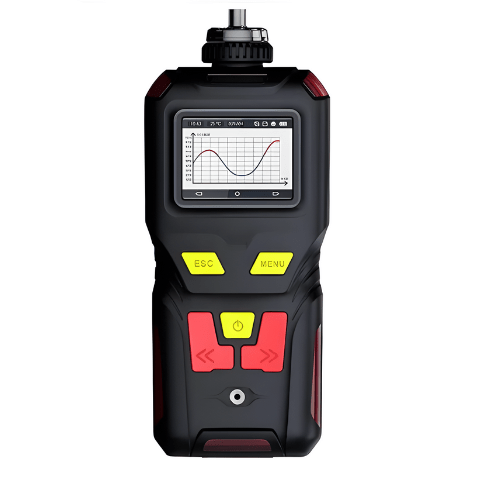
Enviro Testers Formaldehyde Gas Leakage Detector
Product successfully added to the Quote List
-
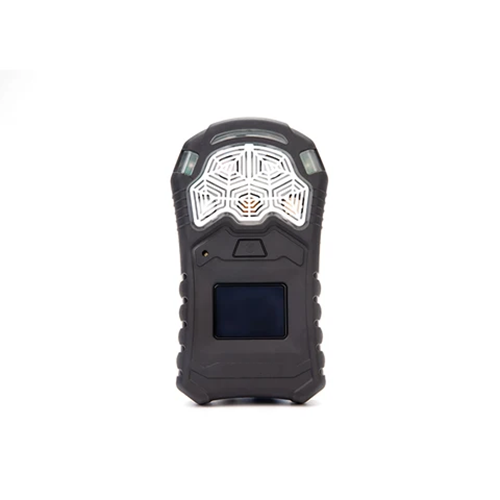
Enviro Testers Formaldehyde Gas Monitor – OLED Display
Product successfully added to the Quote List