
Hydrogen Gas Monitors
Hydrogen gas monitors detect H2 leaks to reduce ignition risk, support safe maintenance, and verify ventilation effectiveness in industrial facilities. Common deployments include fixed detectors near electrolyzers, compressors, storage manifolds, battery rooms, and fuel cell enclosures, plus portable instruments used during commissioning and troubleshooting. Hydrogen detection typically uses catalytic bead sensors calibrated for flammable gas response, electrochemical sensors for specific low-level detection in some use cases, or thermal conductivity and optical approaches when wide dynamic range or stability is required. Outputs are engineered for integration into safety and control systems through relays, 4 to 20 mA, and digital communications such as Modbus or Ethernet gateways for PLC and SCADA architectures. Properly specified monitoring helps teams localize leaks quickly, validate purge and ventilation strategies, and maintain defensible measurement records for EHS programs.
Technical definition: what hydrogen monitors measure and what the signal represents
Hydrogen gas monitors are instruments that detect and quantify H2 in air, then convert that measurement into alarms, control signals, and time-stamped records. Hydrogen is highly flammable and diffuses rapidly, so monitoring programs focus on early leak detection,
percent LEL alarming, and validation of ventilation and purging procedures. Engineering teams specify monitors using measurement range, response time, drift behavior, and environmental limits so the signal can be trusted for safety escalation and automated controls.
Product types used in hydrogen monitoring architectures
Fixed hydrogen gas detectors and transmitters
Installed near credible leak points such as regulators, valves, flanges, electrolyzer skids, compressor seals, and manifold connections. Fixed detectors provide continuous readings and alarm outputs.
Area monitoring systems with controllers
Multi-sensor systems that centralize alarm logic, fault supervision, and event logging, then interface to PLCs, building automation, or emergency shutdown circuits.
Portable hydrogen leak detectors
Used for commissioning, maintenance walkdowns, and leak localization around fittings, tubing runs, and enclosure penetrations.
Battery room hydrogen monitors
Deployed where hydrogen off-gassing can occur, supporting ventilation control and safe entry procedures in enclosed spaces.
Sampling-based hydrogen monitoring (assumption-based)
Used when direct sensor placement is impractical due to access limits or harsh conditions. Assumption: sampling delay and tubing integrity are acceptable for the risk scenario.
Sensor technologies commonly applied to hydrogen detection
Catalytic bead (pellistor) LEL sensors
Provide broad flammable gas detection, often used for percent LEL alarming. Performance depends on oxygen availability and can be affected by poisoning compounds.
Thermal conductivity sensors (assumption-based)
Applied when hydrogen’s high thermal conductivity can be used for detection across a wide range. Assumption: the application supports this method and is validated for the expected background gases.
Electrochemical hydrogen sensors (assumption-based)
Used in select cases for low-level detection. Assumption: cross-sensitivity limits and environmental constraints are acceptable.
Optical methods (assumption-based)
Used when stability and selectivity are priorities. Assumption: installation supports optical path integrity and maintenance practices.
Enviro Testers has quickly established itself as a trusted leader in delivering advanced instrumentation for air, soil, and water measurement programs. With a growing B2B presence across North America, we lead in technology innovation, product reliability, and customer-focused support. Through research, continuous product development, a strict quality assurance process, and expert guidance, we help businesses streamline operations and unlock the full potential of testing and measurement solutions.
Performance features that engineers evaluate for hydrogen safety cases
Early warning thresholds and percent LEL strategy
Hydrogen safety programs often use staged alarms to drive ventilation ramp-up and escalation. Correct alarm design reduces ignition risk while avoiding alarm fatigue.
Fast response in high-airflow environments
Hydrogen disperses quickly and can create transient plumes. Response time and sensor placement determine whether the system captures short-duration events near leak sources.
Environmental resilience and drift controls
Hydrogen deployments can include outdoor enclosures, humid equipment rooms, and vibration near compressors. Enclosure selection, filtering, and diagnostics reduce drift and nuisance alarms.
Poison resistance and sensor selection
Catalytic sensors can degrade in the presence of silicones, sulfur compounds, and certain
solvents. Sensor choice and filtration should reflect the site’s chemical exposure profile.
Configuration options for controls, OT networks, and system integrators
Outputs and communications
Integration options commonly include:
- 4 to 20 mA outputs for PLC inputs and historian trending
- Relay outputs for horns, beacons, ventilation enable, and interlock logic
- Modbus RTU/TCP for centralized dashboards and multi-point networks
- Ethernet gateways for SCADA and segmented OT architectures
Alarm logic and escalation workflows
Controllers typically support:
- Multi-stage alarms aligned to the site’s emergency response playbook
- Latching high alarms requiring acknowledgement after evacuation actions
- Time delays or voting logic where justified by dispersion dynamics and risk assessment
- Fault supervision for sensor failure, wiring faults, and power integrity
Event logging for incident investigation and commissioning
Time-stamped logs support root cause analysis, commissioning signoff, and maintenance traceability after leak events.
Deployment configurations tailored to hydrogen behavior
Placement driven by buoyancy and ventilation patterns
Hydrogen is very light and can accumulate near ceilings or within enclosures. Placement strategies focus on credible leak points, high points in enclosed spaces, and airflow pathways that could carry gas to ignition sources.
Enclosures, mounting, and classified area considerations
Hazardous area approvals, wiring methods, and barrier selection are governed by electrical area classification and ignition prevention requirements.
Remote sensor heads and service access
Service-friendly layouts reduce time spent in higher-risk zones during verification and calibration tasks.
Sampling approaches for enclosure monitoring (assumption-based)
Sampling can pull air from cabinets or skids while keeping sensors accessible. Assumption: transport delay is acceptable and condensation risks are controlled.
Calibration, verification, and lifecycle planning
Calibration basis and gas equivalency considerations
LEL sensors are calibrated to a reference gas, and hydrogen response may differ depending on the reference. Facilities document calibration basis and verify alarm performance during commissioning.
Bump testing and proof checks
Routine bump tests confirm sensor response and alarm path integrity. Intervals are set
based on criticality, environment severity, and the facility’s safety management system.
Diagnostics and health indicators
Useful features include drift tracking, end-of-life flags, blocked inlet warnings, and fault codes that distinguish sensor issues from real hydrogen events.
- Electrolyzer skids use fixed H2 detectors to identify leaks early and validate purge and ventilation performance.
- Hydrogen compressor stations monitor seals and fittings to reduce ignition risk during startups, shutdowns, and maintenance work.
- Fueling stations monitor dispensers and storage manifolds to trigger alarms and support safe emergency response procedures.
- Battery rooms use hydrogen monitors to control ventilation and reduce accumulation risk during charging and abnormal events.
- Fuel cell enclosures monitor internal leaks to protect electronics, prevent ignition, and verify enclosure integrity.
- Semiconductor fabs monitor hydrogen supply lines to support safe operations near process tools and gas cabinets.
- Chemical plants monitor hydrogenation units to detect leaks near reactors, piping, and transfer points during batch changes.
- Power plants monitor generator cooling systems using hydrogen to reduce leak risk and support safe maintenance entry checks.
- Research labs monitor hydrogen cylinder storage to verify ventilation performance and reduce exposure during changeouts.
- Marine and aerospace facilities monitor test stands using hydrogen to control ignition hazards during purge and fueling operations.
- Confined-space entry teams use portable detectors to verify safe conditions near hydrogen piping in utility tunnels.
- System integrators deploy multi-point monitoring to centralize alarms and trend hydrogen concentrations across distributed equipment rooms.
- OSHA 29 CFR 146 Permit-Required Confined Spaces
- OSHA 29 CFR 119 Process Safety Management (PSM)
- OSHA 29 CFR 1200 Hazard Communication
- OSHA 29 CFR 147 Control of Hazardous Energy (Lockout/Tagout)
- OSHA 29 CFR 1910 Subpart S Electrical
- NFPA 2 Hydrogen Technologies Code
- NFPA 70 National Electrical Code (NEC)
- NFPA 72 National Fire Alarm and Signaling Code
- NFPA 55 Compressed Gases and Cryogenic Fluids Code
- API RP 500 and API RP 505 (hazardous area classification, site-dependent)
- ISA 84 / IEC 61511 (functional safety, site-dependent)
- UL certifications applicable to hydrogen detection equipment (model-dependent)
- CSA certifications applicable to hydrogen detection equipment (model-dependent)
- Canadian Electrical Code requirements for hazardous locations (site-dependent)
- WHMIS requirements for hazardous products in Canada
- Provincial OHS regulations in Canada (jurisdiction-dependent)
Hydrogen detection engineered for fast dispersion and high-consequence ignition risk
Hydrogen can form a flammable cloud quickly and may not remain localized near the leak source. Enviro Testers supports monitoring designs that prioritize rapid response, placement at credible leak points and high locations within enclosures, and alarm thresholds aligned to ventilation and escalation procedures.
Sensor selection aligned to oxygen conditions and contamination exposure
Catalytic bead sensors can underperform in low-oxygen environments or degrade from poisoning compounds, while other methods may suit specific scenarios. Practical differentiators include:
- Engineering guidance on selecting pellistor, thermal conductivity, or other methods based on the site profile
- Filtration and enclosure strategies that reduce sensor degradation in contaminated air streams
- Commissioning checks that validate response under representative airflow and purge conditions
- Diagnostics that flag drift and end-of-life conditions before performance becomes unreliable
Integration-ready architectures for PLC, SCADA, and safety systems
Hydrogen monitoring often ties into ventilation, alarms, and shutdown logic. Enviro Testers supports integration needs through:
- Documented 4 to 20 mA scaling with defined fault current conventions
- Relay outputs for alarm annunciation, ventilation enable, and interlocks
- Modbus connectivity for centralized dashboards and historian retention
- Event logs that support incident investigation and maintenance traceability
Maintainability designed for distributed hydrogen infrastructure
Hydrogen assets are often distributed across equipment rooms, skids, and outdoor pads. Engineering-oriented maintainability includes:
- Service-friendly mounting and clear calibration interfaces for short maintenance windows
- Standardized accessories and documentation that reduce training load across sites
- Spares strategies aligned to environmental severity and safety criticality
- Verification workflows that confirm alarm and control outputs, not only sensor response
Procurement-friendly standardization without compromising engineering fit
Multi-site operators often need consistent part numbers and predictable support. Enviro Testers helps teams standardize on core monitoring platforms while tailoring sensor technology, housings, and communications to each hydrogen zone’s risk profile.
Teams deploying hydrogen monitoring often need help selecting sensing methods, defining placement within enclosures and high points, integrating alarms into PLC or safety logic, and building verification procedures that remain defensible over time. Connect with Enviro Testers through our Contact Us page to request product information, technical consultation, system integration guidance, procurement support, or assistance developing calibration and maintenance workflows.
Showing 1–16 of 91 results
-
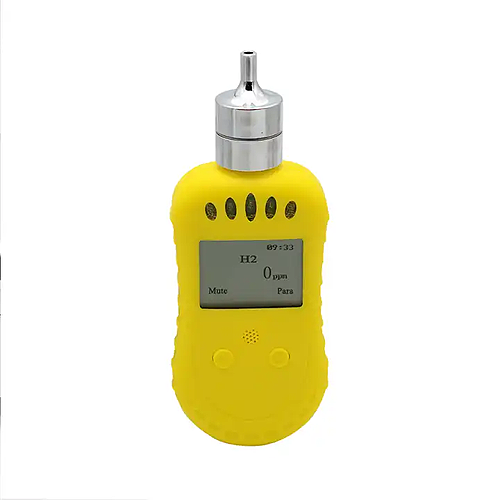
Hydrogen Gas Leakage Detector – Enviro Testers
Product successfully added to the Quote List
-
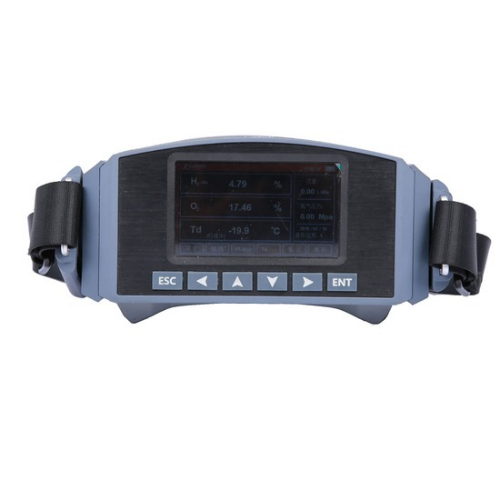
3 in1 Hydrogen H2 Gas Dew Point Detector with 0-100% Range – Enviro Testers
Product successfully added to the Quote List
-
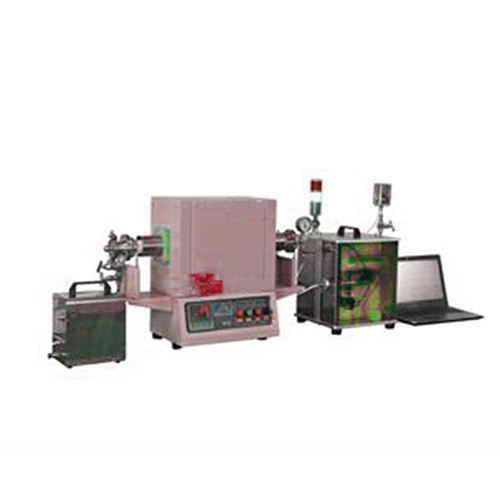
Atmosphere Tube Furnace 1700°C PID Control PLC Custom Size Hydrogen – Enviro Testers
Product successfully added to the Quote List
-

Automatic Hydrogen Gas Analyzer Detector With Alarm Electronic Power – Enviro Testers
Product successfully added to the Quote List
-
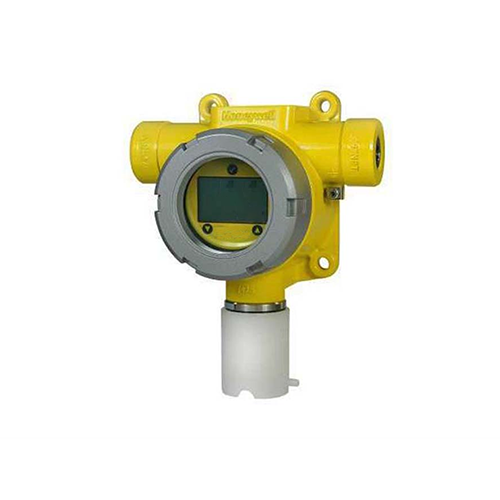
Electric Tube Furnace with Quartz Tube 1100°C Hydrogen Applications 110V/220V – Enviro Testers
Product successfully added to the Quote List
-

Enviro Testers 4 in 1 Gas Detector
Product successfully added to the Quote List
-

Enviro Testers Hydrogen Fluoride Gas Detector
Product successfully added to the Quote List
-

Enviro Testers Cyanide Gas Leak Detector
Product successfully added to the Quote List
-
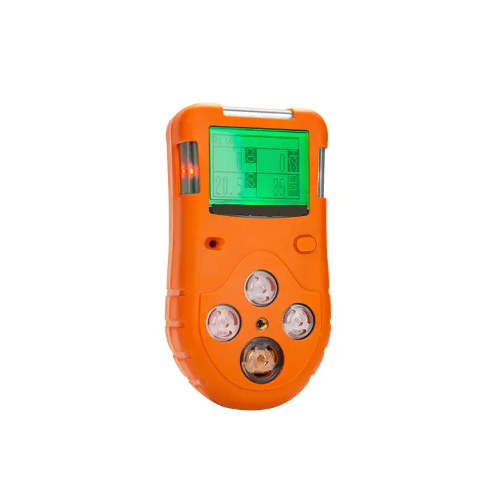
Enviro Testers Digital Hydrogen Chloride Gas Monitor – Rugged Body
Product successfully added to the Quote List
-

Enviro Testers Digital Track Gas Leak Detector
Product successfully added to the Quote List
-

Enviro Testers Fixed Hydrogen Gas Detector
Product successfully added to the Quote List
-
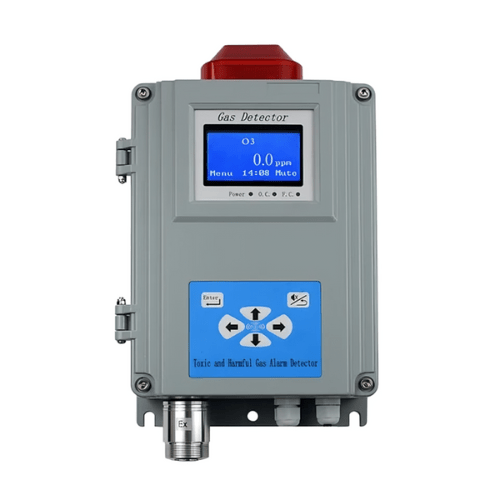
Enviro Testers Fixed Wall Mounted Multi Gas Detector
Product successfully added to the Quote List
-
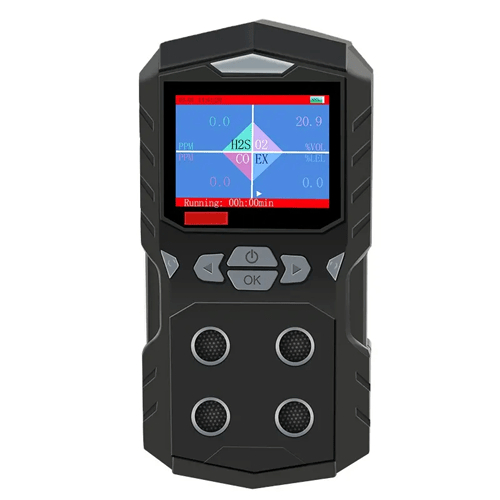
Enviro Testers Four-In-One Gas Detector
Product successfully added to the Quote List
-

Enviro Testers Gas Concentration Level Detector
Product successfully added to the Quote List
-

Enviro Testers Gas Detector
Product successfully added to the Quote List
-

Enviro Testers Gas Leak Detector
Product successfully added to the Quote List