
Hydrogen Sulfide Monitors
Hydrogen sulfide monitors measure H2S concentration to protect workers, control acute exposure risk, and verify ventilation performance in high-hazard environments. Typical deployments include fixed detectors in wastewater headworks and lift stations, portable instruments for confined-space entry and maintenance checks, and personal monitors used for tasks with variable exposure profiles. H2S detection most often relies on electrochemical sensors designed for low ppm response, supported by compensation routines to improve stability across temperature and humidity swings. Outputs commonly include relay alarms, 4 to 20 mA, and digital communications such as Modbus or Ethernet gateways for PLC, SCADA, and facility monitoring platforms. Properly specified monitoring helps teams identify sour gas releases quickly, document exposure controls, and reduce downtime by enabling faster troubleshooting of odor complaints and process upsets.
Hydrogen sulfide monitors are instruments that quantify H2S in air and convert that measurement into alarms, control outputs, and time-stamped records. H2S is toxic at low concentrations and can create rapidly escalating hazards in poorly ventilated spaces.
Engineering and EHS teams use H2S monitoring to establish defensible exposure controls,
validate confined-space entry conditions, and trigger ventilation or evacuation actions aligned to site procedures.
Product types used in H2S monitoring programs
Fixed H2S detectors and transmitters
Installed near credible release points such as headworks, digesters, wet wells, refinery units, and sour gas handling areas. Fixed detectors support continuous trending and alarm signaling.
Portable H2S monitors and survey instruments
Used for pre-entry checks, maintenance walkdowns, odor investigations, and verification after process adjustments or repairs.
Personal H2S monitors (assumption-based)
Worn by workers performing tasks with variable exposure risk, providing immediate audible and visual alarms. Assumption: the safety program requires personal alarming and has defined bump test intervals.
Sampling-based H2S monitoring (assumption-based)
Used where direct sensor placement is impractical due to corrosion, moisture, or access constraints. Assumption: sampling line delay is acceptable for the hazard scenario.
Controllers, annunciators, and communications gateways
Aggregate multi-sensor inputs, apply alarm logic, supervise faults, and integrate with PLCs, SCADA, or centralized dashboards.
Sensor technologies commonly used for H2S detection
Electrochemical H2S sensors
Most common approach for ppm-level response, supporting worker protection and exposure control programs.
MOS sensors for H2S (assumption-based)
Used in some rugged deployments with careful evaluation of selectivity and humidity effects. Assumption: the target environment is stable enough for reliable interpretation.
Optical methods (assumption-based)
Selected in certain cases where long-term stability or reduced drift is required. Assumption: installation conditions and maintenance practices support optical operation.
Enviro Testers has quickly established itself as a trusted leader in delivering advanced instrumentation for air, soil, and water measurement programs. With a growing B2B
presence across North America, we lead in technology innovation, product reliability, and customer-focused support. Through research, continuous product development, a strict quality assurance process, and expert guidance, we help businesses streamline operations and unlock the full potential of testing and measurement solutions.
Measurement performance capabilities that impact field safety
Low ppm sensitivity and alarm strategy
H2S hazards often begin at low concentrations. Multi-stage alarms help separate early warning from high-severity escalation aligned to response procedures.
Response time and peak visibility
H2S releases can spike quickly during process upsets or during opening equipment. Sensors should capture short peaks without excessive averaging that hides transient exposures.
Environmental resilience in wet and corrosive spaces
Wastewater and sour-gas environments can be humid and corrosive. Correct enclosures, filters, and mounting strategies protect sensors and reduce nuisance alarms.
Cross-sensitivity and interference awareness
Electrochemical sensors can respond to certain gases. Engineering teams review cross- sensitivity data and validate performance under representative site conditions.
Configuration options that support real operational workflows
Outputs and communications for control systems
Common integration options include:
- 4 to 20 mA outputs for PLC inputs and historian trending
- Relay outputs for horns, beacons, fans, and interlock logic
- Modbus RTU/TCP for centralized monitoring and multi-point networks
- Ethernet gateways for SCADA and segmented OT architectures
Alarm handling and escalation logic
Controllers often support:
- Latching high alarms when procedures require manual acknowledgement
- Horn silence with alarm persistence for controlled response workflows
- Delays and averaging windows justified by risk assessment
- Fault supervision for sensor failure, wiring issues, and power integrity
Data logging and incident reconstruction
Time-stamped alarm events, acknowledgements, and fault histories help EHS teams reconstruct exposure events and verify corrective actions.
Deployment configurations for challenging sites
Placement driven by release points and airflow
Effective placement focuses on credible sources such as wet wells, headworks channels, separators, and process vents, plus airflow pathways that could route H2S into occupied zones.
Remote sensor heads and service access
Service-friendly mounting reduces time in high-risk areas during bump tests and calibration.
Sampling systems for harsh or inaccessible points (assumption-based)
Sampling can draw air from pits or enclosed process spaces while keeping sensors accessible. Assumption: sampling transport delay and condensation control are addressed.
Calibration, bump testing, and lifecycle management
Bump test routines aligned to safety criticality
Facilities typically define bump test frequency and calibration intervals based on task risk, sensor technology, and environmental severity.
Calibration gas management and documentation
Certified gas mixtures and controlled procedures support defensible records, especially for confined-space programs and regulatory review.
Diagnostics and sensor health indicators
Useful features include drift tracking, end-of-life flags, blocked inlet warnings, sampling flow fault codes, and maintenance reminders.
- Wastewater headworks monitor H2S near influent channels to protect operators during screenings, grit removal, and cleaning tasks.
- Lift stations and wet wells use fixed detectors to support safe entry procedures and verify ventilation before maintenance work.
- Sludge handling areas monitor H2S during dewatering and transport to reduce exposure risk and support odor control programs.
- Refineries monitor sour gas areas to trigger alarms and support process troubleshooting during unit upsets and startups.
- Oil and gas production sites use portable monitors for well servicing and equipment opening where H2S peaks can occur.
- Pulp and paper mills monitor reduced sulfur compounds in process areas to protect workers and verify exhaust performance.
- Landfill gas operations monitor H2S in enclosed rooms to support ventilation control and safe equipment servicing.
- Chemical plants monitor H2S near storage and transfer points to identify leaks and validate containment measures.
- Marine terminals monitor H2S during tank cleaning and confined-space work to maintain permit compliance and worker safety.
- Mining operations use personal monitors during underground work where ventilation changes can cause rapid exposure variability.
- Food processing wastewater zones monitor H2S to control odor complaints and protect maintenance teams during drain work.
- Emergency response teams use portable instruments to map H2S plumes and confirm clearance before re-entry after incidents.
- OSHA 29 CFR 1000 Air Contaminants
- OSHA 29 CFR 146 Permit-Required Confined Spaces
- OSHA 29 CFR 1200 Hazard Communication
- OSHA 29 CFR 147 Control of Hazardous Energy (Lockout/Tagout)
- OSHA 29 CFR 119 Process Safety Management (PSM)
- ANSI/ASSP 1 Confined Spaces
- NIOSH methods and exposure references for hydrogen sulfide
- ACGIH TLVs and BEIs (program-dependent)
- NFPA 70 National Electrical Code (NEC)
- NFPA 72 National Fire Alarm and Signaling Code
- API recommended practices for sour service operations (site-dependent)
- UL certifications applicable to gas detection equipment (model-dependent)
- CSA certifications applicable to gas detection equipment (model-dependent)
- WHMIS requirements for hazardous products in Canada
- CCOHS exposure references for hydrogen sulfide
- Provincial OHS regulations in Canada (jurisdiction-dependent)
- Canadian Electrical Code requirements for special or hazardous locations (site- dependent)
H2S monitoring engineered for rapid hazard escalation scenarios
H2S can move from nuisance odor to serious hazard quickly, especially in confined or low- ventilation spaces. Enviro Testers supports monitoring configurations that preserve peak visibility, define alarm thresholds aligned to response procedures, and reduce the chance that averaging hides short, high-consequence events.
Reliability in wet, corrosive, and variable airflow environments
H2S monitoring often fails when sensors are placed where humidity and corrosion overwhelm maintenance capacity. Practical differentiators include:
- Enclosure and filter strategies suited to wet wells and headworks environments
- Placement guidance that accounts for airflow pathways and ventilation dead zones
- Diagnostics that flag sensor drift, blockage, or end-of-life conditions early
- Sampling strategies for harsh points where direct placement is not sustainable
Integration-ready outputs for PLC, SCADA, and alarm annunciation
H2S detection commonly drives alarms, ventilation, and escalation workflows. Enviro Testers supports integration needs with:
- Documented 4 to 20 mA scaling and defined fault current conventions
- Relay outputs for horns, beacons, fans, and interlocks
- Modbus connectivity for centralized dashboards and historian retention
- Event logs that support incident investigation and maintenance traceability
Maintainability designed for short service windows
Municipal utilities and industrial plants often have limited time for calibration and verification tasks. Engineering-oriented maintainability includes:
- Service-friendly mounting and accessible calibration interfaces
- Defined bump test workflows that verify sensor response and alarm paths
- Planned spares strategies aligned to environmental severity and criticality
- Documentation packages suitable for system integrators and EHS auditors
Procurement-friendly standardization without compromising safety fit
Multi-site operators often want consistent parts and documentation. Enviro Testers supports standardization on core platforms while still tailoring sensor ranges, housings, and communications options to each site’s H2S risk profile.
Teams deploying hydrogen sulfide monitoring often need help selecting sensor technology, defining placement in wet and corrosive spaces, and building calibration workflows that remain defensible for confined-space and EHS programs. Connect with Enviro Testers through our Contact Us page to request product information, technical consultation, integration support, procurement guidance, or assistance developing verification and maintenance procedures.
Showing 1–16 of 18 results
-

Enviro Testers High Sensitivity Gas Analyzer
Product successfully added to the Quote List
-

Enviro Testers Hydrogen Sulfide Alarm Gas Detector
Product successfully added to the Quote List
-
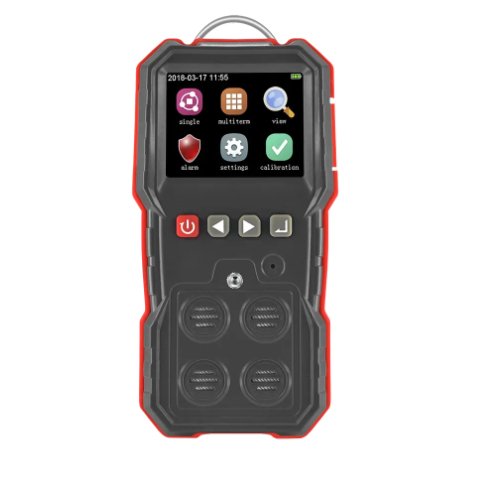
Enviro Testers Hydrogen Sulfide Detection Gas Monitor
Product successfully added to the Quote List
-
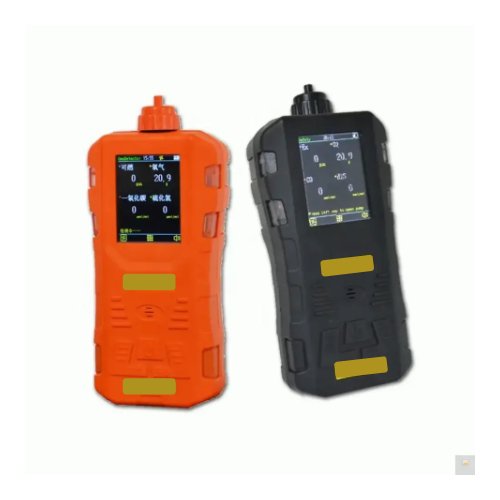
Enviro Testers Hydrogen Sulfide Gas Detector Analyzer
Product successfully added to the Quote List
-

Enviro Testers Hydrogen Sulfide Multi-Gas Detector
Product successfully added to the Quote List
-

Enviro Testers Hydrogen Sulfide Multiple Gas Analyzer
Product successfully added to the Quote List
-

Enviro Testers Portable Biogas Analyzer
Product successfully added to the Quote List
-

Enviro Testers Portable Diffusion Hydrogen Sulfide Gas Detector
Product successfully added to the Quote List
-

Enviro Testers Portable Hydrogen Sulfide Gas Alarm Detector
Product successfully added to the Quote List
-

Enviro Testers Portable Hydrogen Sulfide Gas Analyzer
Product successfully added to the Quote List
-
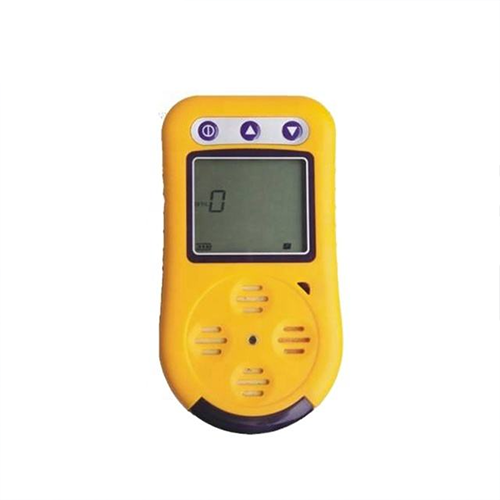
Enviro Testers Portable Hydrogen Sulfide Gas Analyzer
Product successfully added to the Quote List
-
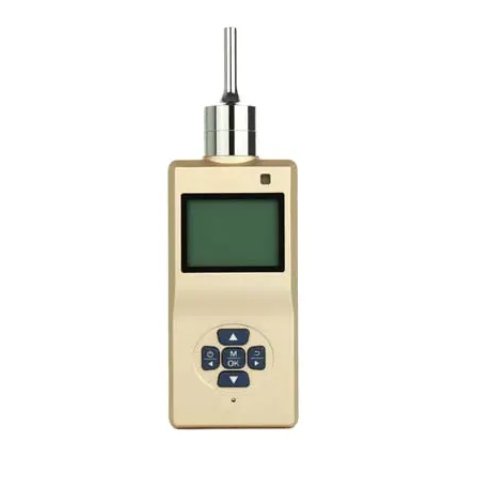
Enviro Testers Portable Hydrogen Sulfide Gas Detector
Product successfully added to the Quote List
-
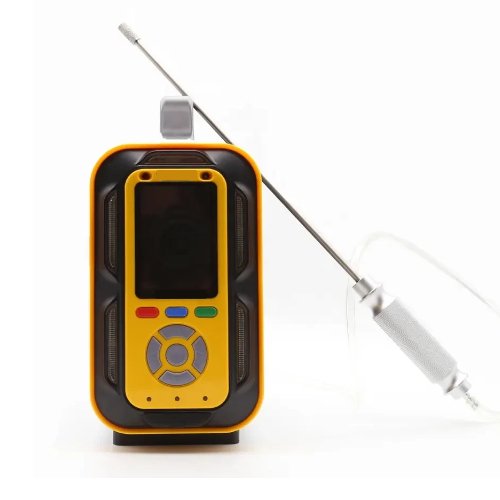
Enviro Testers Portable Multi Gas Detector
Product successfully added to the Quote List
-
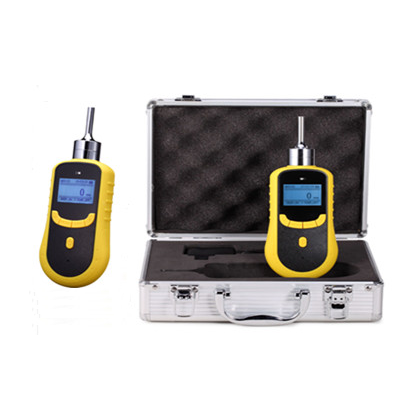
Hydrogen Sulfide Gas Detector (Wide Measurement Range)
Product successfully added to the Quote List
-

Hydrogen Sulfide Gas Detector(Sound & Light Alarm)
Product successfully added to the Quote List
-
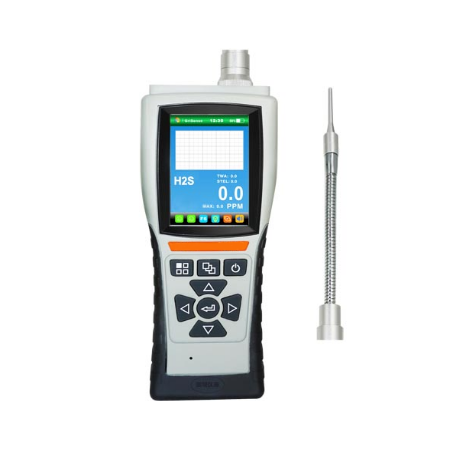
Hydrogen Sulfide Gas Detector (Alarm Record, Storage)
Product successfully added to the Quote List