
Methane Gas Monitors
Methane gas monitors detect and quantify CH4 to reduce explosion risk, support leak management, and verify ventilation performance across industrial sites. Common deployments include fixed LEL detectors at compressor stations, gas trains, and enclosed process areas, plus portable meters used for maintenance walkdowns, leak localization, and confined-space entry checks. Methane detection typically uses catalytic bead sensors for percent LEL alarming, infrared LEL sensors for improved stability and resistance to poisoning, and open-path optical methods for area coverage where line-of-sight monitoring is feasible. Integration options include relay alarms, 4 to 20 mA outputs, and digital communications such as Modbus or Ethernet gateways for PLC and SCADA systems.
Properly specified monitors help teams identify leaks quickly, control ignition hazards, and maintain defensible measurement records for EHS and operations programs.
Technical definition: what methane monitors measure and how engineers interpret readings
Methane gas monitors are instruments that detect and quantify CH4 in air, usually expressed as percent LEL for safety alarming or in concentration units for leak investigation and emissions programs. The signal is used to trigger alarms, activate ventilation, and support response procedures before methane reaches ignitable levels. Engineering teams define setpoints, sensor placement, and response logic based on credible leak scenarios, airflow patterns, and the facility’s hazardous area classification.
Product types used for methane monitoring programs
Fixed methane LEL detectors and transmitters
Installed near compressors, valves, regulators, gas trains, and enclosed rooms where methane can accumulate. Fixed detectors provide continuous monitoring and alarm outputs.
Portable methane gas meters and leak detectors
Used for route-based inspections, leak localization around fittings and flanges, and verification after maintenance or startups.
Open-path methane detectors (assumption-based)
Monitor a line-of-sight area to detect methane plumes across perimeters, corridors, or process boundaries. Assumption: stable mounting and clear optical paths are available.
Sampling-based methane monitoring (assumption-based)
Used where sensors must be placed away from harsh conditions or to sample from pits and trenches. Assumption: sampling delay and tubing maintenance are acceptable.
Controllers, annunciators, and communications gateways
Centralize multi-sensor systems, apply alarm logic, supervise faults, and integrate methane monitoring into PLC, SCADA, or facility dashboards.
Sensor technologies commonly applied to methane detection
Catalytic bead (pellistor) sensors
Common for percent LEL detection across many hydrocarbons, with performance dependent on oxygen availability and susceptibility to poisoning compounds.
Infrared (IR) methane LEL sensors
Use optical absorption, offering strong stability and improved resistance to poisoning, often preferred in harsh industrial environments.
Laser-based optical methane sensing (assumption-based)
Used for longer-range or perimeter detection where rapid plume identification is needed. Assumption: the application supports optical alignment and maintenance practices.
Enviro Testers has quickly established itself as a trusted leader in delivering advanced instrumentation for air, soil, and water measurement programs. With a growing B2B presence across North America, we lead in technology innovation, product reliability, and customer-focused support. Through research, continuous product development, a strict quality assurance process, and expert guidance, we help businesses streamline operations and unlock the full potential of testing and measurement solutions.
Measurement and alarm performance features that reduce ignition risk
Multi-stage alarm design for percent LEL
Facilities often use staged alarms to ramp ventilation and escalate response. Alarm design should protect the safety function while minimizing nuisance events.
Fast response and peak capture in high-airflow areas
Compressor stations and valve yards can experience transient plumes. Sensor placement and response time determine whether short-duration releases are captured.
Poison resistance and contamination management
Catalytic sensors can be affected by silicones, sulfur compounds, and certain solvents. IR sensors often provide improved resilience in contaminated environments.
Oxygen dependency and sensor selection
Catalytic sensors require oxygen for proper operation, while IR approaches can be more suitable where oxygen varies. Engineering teams document assumptions about oxygen availability.
Environmental tolerance and enclosure strategy
Outdoor pads, washdown zones, and dusty areas require appropriate housings and filtration to protect electronics and preserve sensor stability.
Configuration options for controls, OT integration, and system integrators
Outputs and communications
Common integration options include:
- 4 to 20 mA outputs for PLC inputs and historian trending
- Relay outputs for horns, beacons, ventilation enable, and interlock logic
- Modbus RTU/TCP for centralized dashboards and multi-point monitoring
- Ethernet gateways for SCADA and segmented OT architectures
Alarm handling logic and escalation workflows
Controllers typically support:
- Latching high alarms requiring acknowledgement after corrective actions
- Horn silence with alarm persistence for controlled response procedures
- Delays and averaging windows justified by dispersion dynamics and risk assessment
- Sensor fault supervision and defined fail-safe states for outputs
Event logging for compliance and incident review
Time-stamped alarms, faults, and maintenance actions help teams reconstruct leak events and document corrective actions.
Deployment configurations tailored to methane dispersion behavior
Placement driven by credible release points and airflow
Methane is lighter than air, but dispersion depends on ventilation and temperature. Placement strategies focus on release sources, accumulation zones in enclosed spaces, and airflow pathways.
Remote sensor heads and service-friendly layouts
Remote heads reduce service exposure and simplify calibration in high-risk areas.
Sampling options for pits and trenches (assumption-based)
Sampling can draw air from below-grade spaces where methane may accumulate. Assumption: response-time tradeoffs are acceptable and condensation risks are controlled.
Hazardous area suitability (site-dependent)
Electrical area classification influences detector approvals, wiring methods, and barrier selection.
Calibration, verification, and lifecycle management
Calibration basis and methane response
LEL sensors are calibrated to a reference gas, often methane, which aligns well for CH4 detection. Facilities still verify alarm performance during commissioning.
Bump testing and proof checks
Routine bump tests confirm sensor response and alarm path integrity. Intervals depend on criticality, environment severity, and contamination exposure.
Diagnostics and health indicators
Useful features include drift tracking, end-of-life prompts, IR source health flags, blocked filter warnings, and fault codes that distinguish sensor issues from real methane events.
- Natural gas compressor stations monitor CH4 near seals and valves to trigger alarms and validate ventilation performance.
- Gas utility regulator stations monitor methane leaks to reduce ignition risk and support safe maintenance work practices.
- Landfill gas facilities monitor methane in enclosed rooms to control ventilation and reduce explosion risk during equipment servicing.
- Wastewater digesters monitor methane around gas handling skids to detect leaks and support safe operations.
- LNG facilities deploy methane detection near cold boxes and piping to support alarm response and incident prevention.
- Pipeline maintenance teams use portable methane detectors to localize leaks and verify repairs before returning lines to service.
- Biogas upgrading plants monitor CH4 near compressors and membrane skids to reduce ignition hazards and verify containment.
- Chemical plants monitor methane feed lines to detect leaks during startups, shutdowns, and batch changes.
- Underground utility tunnels use methane monitoring to support confined-space entry checks and ventilation verification.
- Mining operations monitor methane in variable airflow zones to protect workers and support ventilation control procedures.
- Marine terminals monitor methane during transfer operations to reduce release duration and support emergency response workflows.
- System integrators deploy multi-point methane monitoring to centralize alarms and trend percent LEL across distributed assets.
- OSHA 29 CFR 146 Permit-Required Confined Spaces
- OSHA 29 CFR 119 Process Safety Management (PSM)
- OSHA 29 CFR 1200 Hazard Communication
- OSHA 29 CFR 147 Control of Hazardous Energy (Lockout/Tagout)
- OSHA 29 CFR 1910 Subpart S Electrical
- NFPA 54 National Fuel Gas Code
- NFPA 70 National Electrical Code (NEC)
- NFPA 72 National Fire Alarm and Signaling Code
- NFPA 30 Flammable and Combustible Liquids Code (site-dependent)
- NFPA 497 Recommended Practice for Classification of Flammable Liquids, Gases, or Vapors
- API RP 500 and API RP 505 (hazardous area classification, site-dependent)
- ISA 84 / IEC 61511 (functional safety, site-dependent)
- UL certifications applicable to methane detection equipment (model-dependent)
- CSA certifications applicable to methane detection equipment (model-dependent)
- Canadian Electrical Code requirements for hazardous locations (site-dependent)
- WHMIS requirements for hazardous products in Canada
- Provincial OHS regulations in Canada (jurisdiction-dependent)
Methane detection engineered for credible leak scenarios and ignition hazard control
Methane monitoring is most effective when designs prioritize where leaks are likely and how methane disperses under real ventilation conditions. Enviro Testers supports monitoring layouts that align sensor placement, response time, and alarm thresholds with credible release points and site response procedures.
Sensor selection aligned to contamination exposure and oxygen conditions
Catalytic bead sensors can degrade due to poisoning compounds and require oxygen, while IR sensors can provide improved resilience in harsh environments. Practical differentiators include:
- Selection guidance that matches pellistor or IR approaches to the site’s chemical
profile
- Filtration and enclosure strategies that reduce contamination-driven degradation
- Commissioning checks that validate response under representative airflow and temperature conditions
- Diagnostics that flag drift and end-of-life conditions before performance becomes unreliable
Integration-ready architecture for PLC, SCADA, and safety systems
Methane detection often drives ventilation, alarms, and interlocks. Enviro Testers supports integration needs through:
- Documented 4 to 20 mA scaling with defined fault current conventions
- Relay outputs for alarm annunciation and ventilation or interlock logic
- Modbus connectivity for centralized dashboards and historian retention
- Event logs that support incident investigation and maintenance traceability
Maintainability that fits short outages and distributed assets
Many methane assets are spread across stations, skids, and enclosed rooms. Engineering- oriented maintainability includes:
- Service-friendly mounting and clear calibration interfaces for limited maintenance windows
- Standardized accessories and documentation for multi-site training consistency
- Spares strategies aligned to environmental severity and safety criticality
- Verification workflows that confirm alarm and control outputs, not only sensor response
Procurement-friendly standardization without compromising engineering fit
Enviro Testers helps teams standardize on core platforms and documentation while tailoring ranges, housings, and communications options to each methane zone’s risk profile and operational constraints.
Teams implementing methane monitoring often need help selecting sensor technology, defining placement in enclosed and outdoor assets, integrating alarms into PLC or safety logic, and building verification procedures that remain defensible over time. Connect with Enviro Testers through our Contact Us page to request product information, technical consultation, system integration guidance, procurement support, or assistance developing calibration and maintenance workflows.
Showing 1–16 of 161 results
-
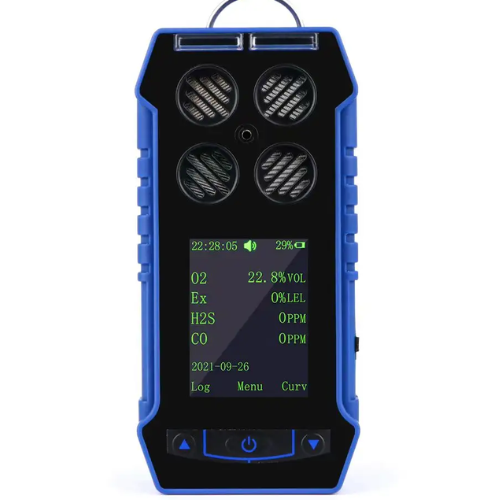
4 In 1 Gas Detector Analyzer with Specifically Methane-Enviro Testers
Product successfully added to the Quote List
-
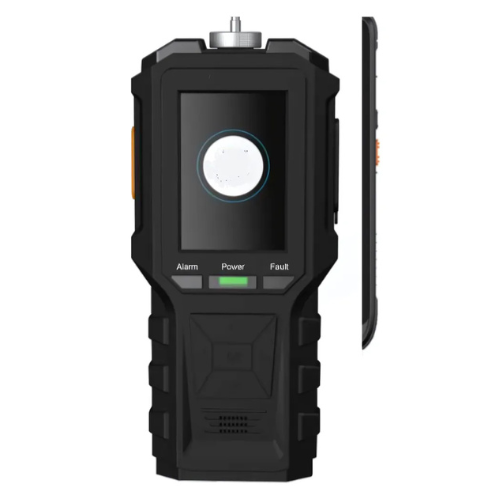
Advanced Pumped Laser Methane Detector with TDLAS Tech – Enviro Testers
Product successfully added to the Quote List
-

CE Approved Kitchen Natural Gas Propane CO Methane Detector – Enviro Testers
Product successfully added to the Quote List
-

CH4 Gas Detector Laser Methane Single Gas 3 Wire 4-20mA Output – Enviro Testers
Product successfully added to the Quote List
-
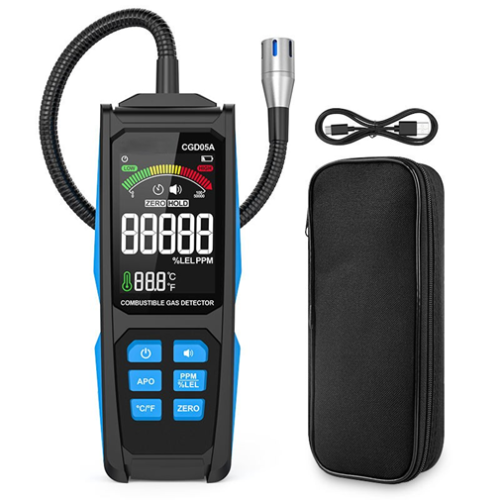
Coal Gas Analyzer PPM Meter Methane Leak Combustible Gas Detector – Enviro Testers
Product successfully added to the Quote List
-
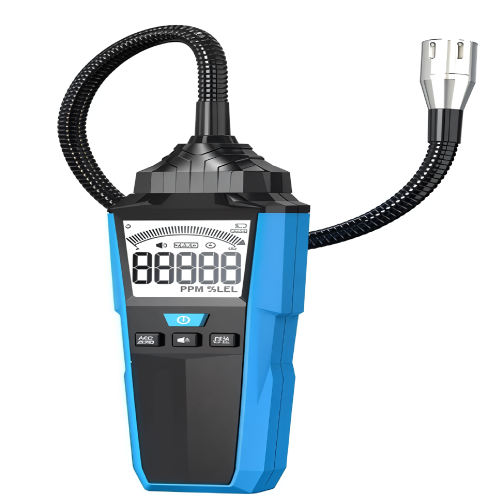
Combustible CH4 Methane Gas Detector LCD Color Screen Display – Enviro Testers
Product successfully added to the Quote List
-

Enviro Testers 4 in 1 Multi Gas Detector
Product successfully added to the Quote List
-
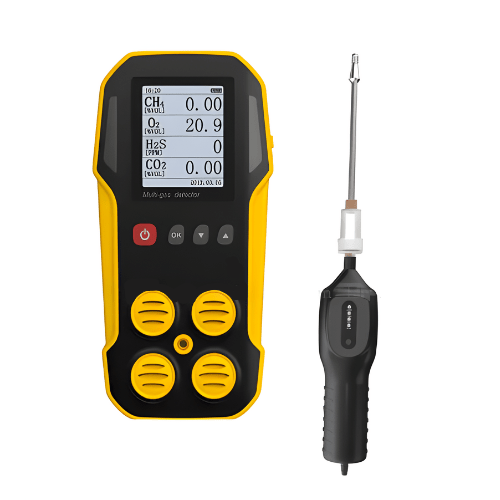
Enviro Testers Biogas Analyzer Detector
Product successfully added to the Quote List
-
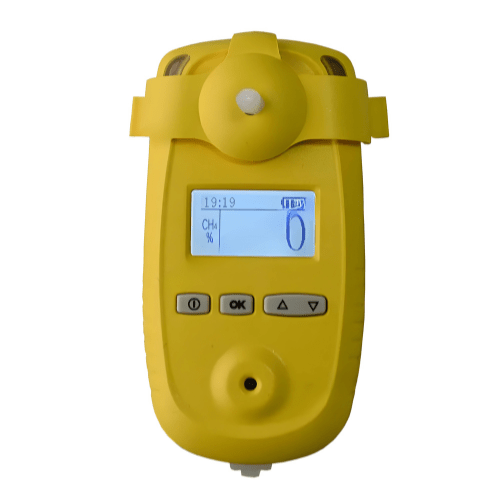
Enviro Testers CH4 Gas Detector
Product successfully added to the Quote List
-

Enviro Testers CH4 portable gas analyser
Product successfully added to the Quote List
-
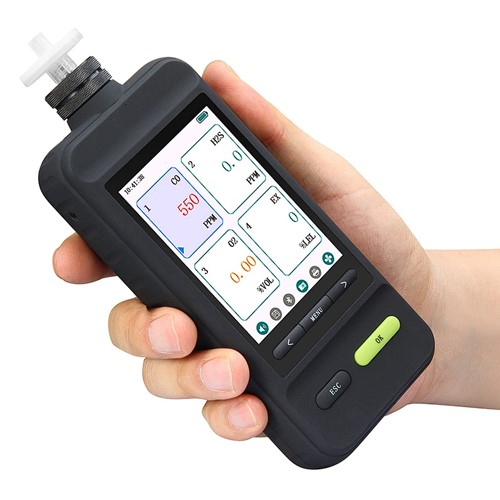
Enviro Testers Compact Methane Gas Detector
Product successfully added to the Quote List
-

Enviro Testers Compact Methane Gas Detector
Product successfully added to the Quote List
-
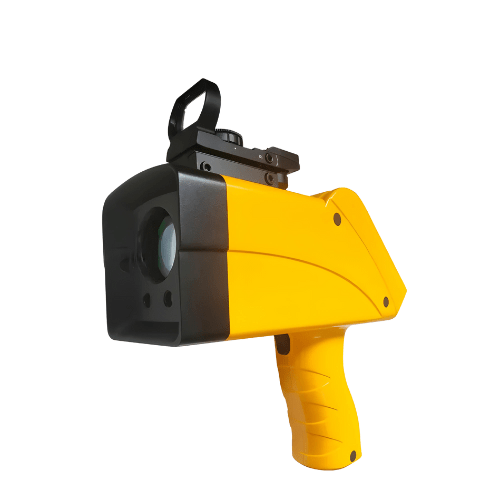
Enviro Testers Contactless Gas Analysis Meter
Product successfully added to the Quote List
-
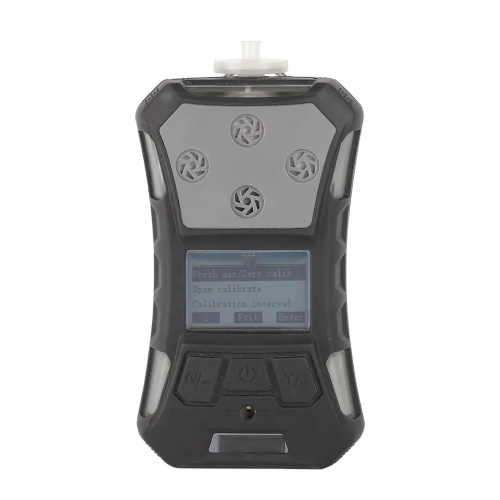
Enviro Testers Convertible Methane Gas Detector
Product successfully added to the Quote List
-
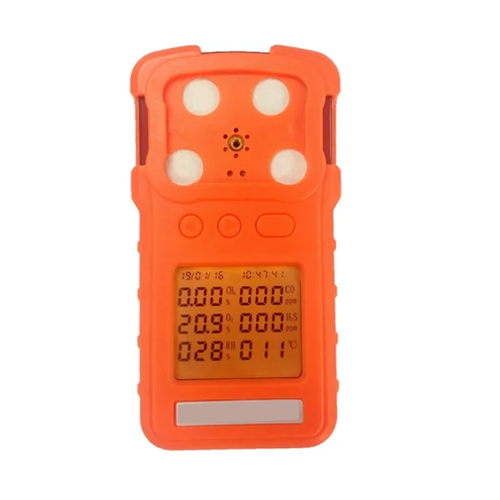
Enviro Testers Electronic Methane Detecting Device
Product successfully added to the Quote List
-
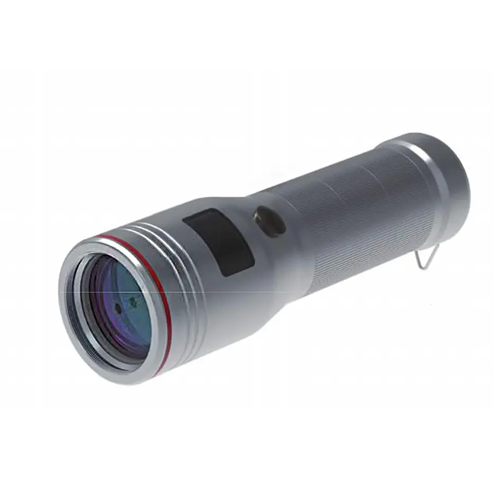
Enviro Testers Fast Methane Gas Detector
Product successfully added to the Quote List