
Multi Gas Detectors
Multi gas detectors are portable or fixed instruments that measure multiple atmospheric hazards simultaneously, helping teams make fast entry and work decisions in variable environments. Common configurations combine oxygen measurement with toxic channels such as hydrogen sulfide and carbon monoxide, plus combustible gas sensing expressed as percent LEL. Many devices use modular sensor bays so EHS and operations teams can tailor the instrument to site-specific risks without replacing the whole platform. Data outputs typically include local audible, visual, and vibration alarms, along with event logs and optional connectivity for fleet management and compliance documentation. Sensor technologies may include electrochemical cells for toxic gases, catalytic bead or infrared sensing for flammables, and galvanic or optical methods for oxygen. Properly specified multi-hazard monitoring supports safer confined-space entry, consistent hot work checks, and defensible records for industrial hygiene programs.
Technical definition: what multi gas detectors measure and how engineers interpret results
Multi gas detectors are instruments designed to measure multiple gases or atmospheric conditions at the same time, typically including:
- Oxygen concentration as percent O2
- Flammable gas concentration as percent LEL
- Toxic gas concentration in ppm for selected hazards
The combined reading set is used to determine whether an area is safe for entry, whether ventilation is required, and whether work can proceed under a permit. Engineers and safety teams evaluate multi gas detectors based on sensor compatibility, response time, stability, alarm behavior, and the ability to document readings in a way that holds up to audits and incident review.
Product types used in multi-hazard monitoring programs
Portable multi gas detectors
Hand-carried meters used for confined-space entry checks, hot work permits, maintenance walkdowns, and emergency response.
Wearable personal multi gas monitors (assumption-based)
Compact devices worn by workers to provide continuous alarming during tasks with changing exposure profiles. Assumption: the safety program requires personal alarming and defines bump test intervals.
Pumped multi gas detectors
Portable instruments with pumps for sampling from pits, tanks, and remote points. Pump flow rate, tubing length, and response-time impact are evaluated during selection.
Fixed multi-sensor gas detection nodes (assumption-based)
Wall-mounted transmitters that combine multiple sensors for permanent installations, often tied to controllers or PLCs. Assumption: the facility prefers consolidated mounting and has defined maintenance access.
Docking, calibration, and bump test stations
Support consistent test workflows, reduced user error, and standardized documentation across multiple teams and sites.
Sensor technologies commonly used inside multi gas detectors
Electrochemical sensors for toxic gases
Used for ppm-level measurement of gases such as CO, H2S, NO2, SO2, and others depending on configuration.
Catalytic bead (pellistor) LEL sensors
Used for broad hydrocarbon flammable detection, with performance dependent on oxygen availability and susceptibility to poisoning compounds.
Infrared LEL sensors (assumption-based)
Used where resistance to poisoning or oxygen variability drives selection. Assumption: the target flammable gas mix is compatible with IR measurement.
Galvanic fuel cell oxygen sensors
Common approach for percent oxygen measurement, requiring planned replacement as a consumable component.
Optical oxygen sensing (assumption-based)
Used when longer-term stability or reduced consumable replacement is prioritized. Assumption: the application supports optical performance under site conditions.
Enviro Testers has quickly established itself as a trusted leader in delivering advanced instrumentation for air, soil, and water measurement programs. With a growing B2B presence across North America, we lead in technology innovation, product reliability, and customer-focused support. Through research, continuous product development, a strict quality assurance process, and expert guidance, we help businesses streamline operations and unlock the full potential of testing and measurement solutions.
Configurable sensor suites matched to site hazards
Modular sensor selection and swap capability
Many programs need different gas lineups by department or job type. Modular designs allow configuration for:
- Confined-space entry in wastewater and utilities
- Hot work checks near fuels and solvents
- Maintenance tasks near refrigeration or process gases
- Emergency response in mixed industrial environments
Target gas libraries and correction approaches
Flammable sensors are often calibrated to a reference gas. When field work involves different hydrocarbons, correction factors or gas-specific modes can improve interpretation. Site procedures should document assumptions and limits.
Alarm behavior built for field decision-making
Multi-stage alarming and clear escalation
Configurations often include:
- Warning and high alarms for toxic channels
- Low and high alarms for oxygen concentration
- Multi-stage percent LEL thresholds aligned to hot work and entry rules
Audible, visual, and vibration outputs
Field alarms must remain effective in high-noise environments and when workers wear PPE. Alarm designs should support rapid recognition and immediate action.
Latching and acknowledgement logic
Some safety programs require latching alarms that cannot be cleared until the atmosphere returns to acceptable limits and the alarm is acknowledged.
Sampling and measurement integrity features
Diffusion vs. pumped sampling
Pumped sampling supports testing remote points, but it introduces transport delay. Engineers evaluate:
- Tube length limits and response-time impact
- Pump flow stability and blockage detection
- Condensation management when sampling humid spaces
Sensor stabilization and warm-up behavior
Start-up behavior matters during rapid entry checks. Devices should provide clear readiness indicators so teams do not rely on unstable readings.
Interference awareness and cross-sensitivity controls
Electrochemical sensors can respond to certain co-gases. Programs often use:
- Defined test gases for bump checks
- Job hazard analysis to anticipate interferents
- Verification routines when new chemicals are introduced
Data management and documentation for compliance and governance
On-instrument event logs
Time-stamped peaks, alarms, and exposures help support incident review and demonstrate consistent use.
Docking station automation (assumption-based)
Docking systems can standardize bump tests, capture pass/fail outcomes, and reduce manual recordkeeping errors. Assumption: the organization has sufficient device fleet size to justify docking infrastructure.
Connectivity and export options
Some programs require exporting logs to EHS platforms or maintenance systems. Selection should match IT and OT constraints, including offline data retrieval where connectivity is restricted.
Maintenance and lifecycle controls that reduce downtime
Bump test and calibration workflows
Multi gas detectors require routine verification of each sensor channel. Well-run programs define:
- Bump test frequency by task risk
- Calibration intervals by sensor type and environment severity
- Documentation requirements for audits and contractor oversight
Sensor end-of-life and planned replacement
Electrochemical and galvanic sensors have finite life. Devices that provide end-of-life indicators and drift tracking support planned maintenance rather than reactive failures.
- Confined-space entry teams verify O2, percent LEL, CO, and H2S before entering tanks, pits, and vaults.
- Wastewater operators use pumped multi gas meters to sample wet wells and confirm ventilation before maintenance tasks.
- Oil and gas maintenance crews perform hot work checks, confirming flammable vapor levels remain below permit thresholds.
- Refinery turnaround teams monitor multiple hazards during line breaks to support safe isolation and controlled entry procedures.
- Chemical plants use multi-hazard meters to troubleshoot odor events and confirm safe conditions during process upsets.
- Utilities use portable detectors to verify atmosphere in manholes and valve vaults during routine inspections.
- Marine terminals monitor multi-gas hazards during tank cleaning and cargo transfer operations with changing vapor profiles.
- Mining and tunneling teams use wearable monitors to detect oxygen deficiency and toxic gases in variable airflow zones.
- Fire and hazmat teams use multi-gas instruments to assess unknown atmospheres and establish exclusion zones quickly.
- Food processing maintenance teams monitor CO and oxygen during equipment servicing near combustion heaters and enclosed rooms.
- Pulp and paper operations monitor toxic gases and LEL risk near recovery units and chemical storage during maintenance.
- System integrators specify multi-sensor nodes (assumption-based) for permanent monitoring in high-risk rooms with mixed hazards.
- OSHA 29 CFR 146 Permit-Required Confined Spaces
- OSHA 29 CFR 1000 Air Contaminants
- OSHA 29 CFR 1200 Hazard Communication
- OSHA 29 CFR 147 Control of Hazardous Energy (Lockout/Tagout)
- OSHA 29 CFR 119 Process Safety Management (PSM) (site-dependent)
- ANSI/ASSP 1 Confined Spaces
- NFPA 70 National Electrical Code (NEC)
- NFPA 72 National Fire Alarm and Signaling Code
- NFPA 350 Guide for Safe Confined Space Entry and Work
- CSA standards applicable to gas detection equipment (model-dependent)
- UL certifications applicable to gas detection equipment (model-dependent)
- Canadian Electrical Code requirements for special or hazardous locations (site- dependent)
- WHMIS requirements for hazardous products in Canada
- CCOHS confined-space guidance references (program-dependent)
- Provincial OHS regulations in Canada (jurisdiction-dependent)
Multi-hazard monitoring configured around real job tasks, not generic sensor lists
Field programs often fail when instruments are configured without aligning to actual work permits and task hazards. Enviro Testers supports configuration guidance that maps sensor lineups and alarm thresholds to entry permits, hot work rules, and site-specific chemical inventories. That approach improves consistency across crews and reduces contradictory readings between teams.
Higher confidence through predictable sampling and alarm behavior
Portable monitors must deliver trustworthy results in minutes, sometimes seconds. Practical differentiators include:
- Pumped sampling options with flow fault detection for remote points
- Clear warm-up and readiness indicators to prevent decisions based on unstable data
- Staged alarms aligned to escalation procedures and permit rules
- Logging that captures peaks and alarm events for post-job review
Better fleet governance and defensible documentation
Large organizations need consistent testing across multiple sites and contractors. Enviro Testers supports governance through:
- Standardized bump test and calibration workflows suited to multi-sensor devices
- Documentation outputs that support audits, incident review, and contractor management
- Configuration control to keep alarm setpoints consistent across a fleet
- Service planning aligned to sensor consumable life and criticality ranking
Engineering-oriented sensor selection for mixed environments
Electrochemical sensors can have cross-sensitivity and catalytic sensors can be poisoned. Enviro Testers helps teams reduce hidden failure modes by:
- Selecting sensors based on known interferents and expected background gases
- Recommending IR LEL sensing when poisoning risk or oxygen variability is a concern
- Defining verification checks for new chemicals or process changes
- Planning spares and maintenance intervals based on environment severity
Procurement-friendly standardization without sacrificing site fit
Procurement teams often want fewer part numbers and consistent training, while engineering needs fit-for-purpose configurations. Enviro Testers supports standardization on a core multi-gas platform with configurable sensor lineups and documentation packages that system integrators can implement consistently.
Organizations deploying multi gas detection programs often need help selecting sensor lineups, defining alarm thresholds that match permits, building docking and calibration workflows, and integrating documentation into EHS governance. Connect with Enviro Testers through our Contact Us page to request product information, technical consultation, procurement guidance, system integration support, or help designing verification and maintenance procedures for your multi-hazard monitoring fleet.
Showing 17–32 of 251 results
-
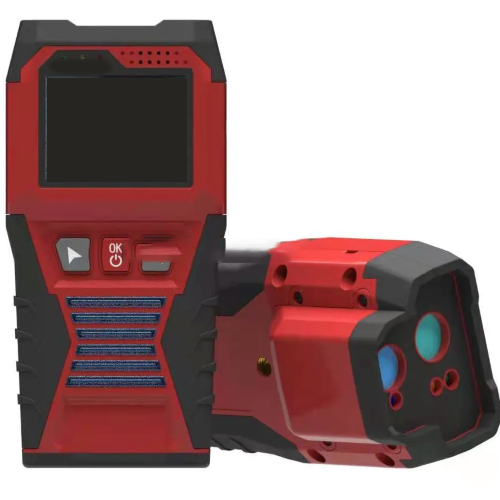
Enviro Testers 4 In 1 Multi-Gas Analyzer – Built-In Pump-Suction
Product successfully added to the Quote List
-
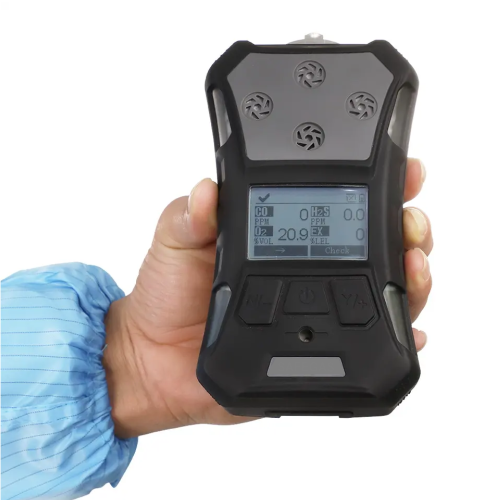
Enviro Testers 5 in 1 Multi Gas Detector
Product successfully added to the Quote List
-
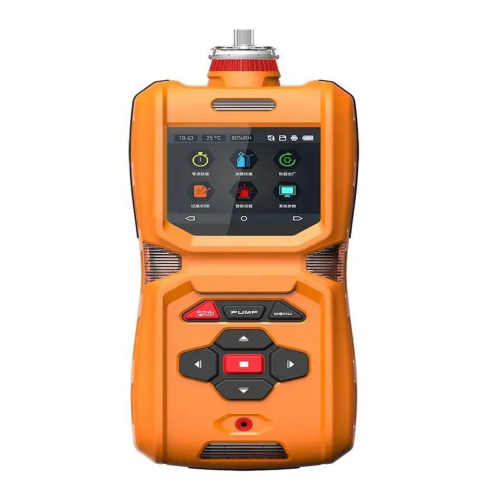
Enviro Testers 6 in 1 Portable Gas Detector
Product successfully added to the Quote List
-
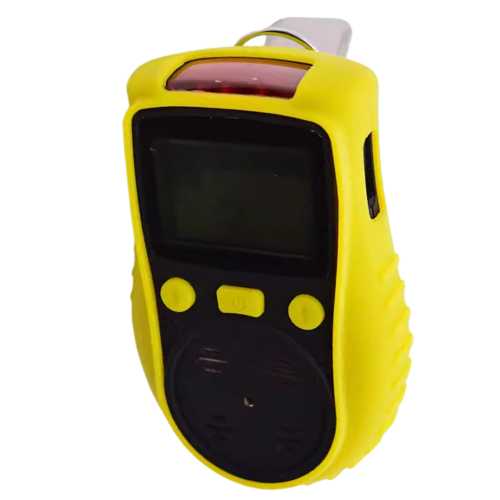
Enviro Testers Alarm Enabled Multi Gas Detector – IP65 Degree Of Protection
Product successfully added to the Quote List
-
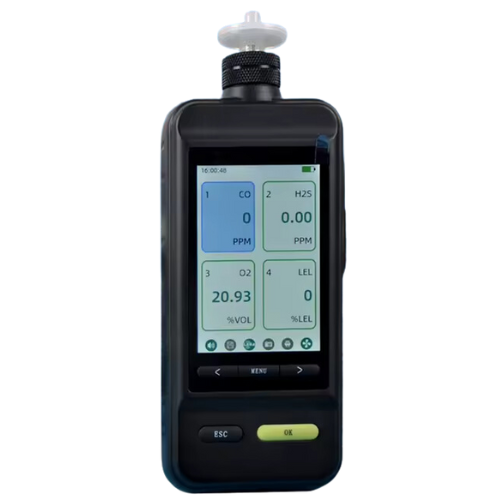
Enviro Testers Ammonia NH3 Flue Gas Multi Analyzer
Product successfully added to the Quote List
-

Enviro Testers CO, N2, CO2 Multi Gas Detector
Product successfully added to the Quote List
-

Enviro Testers Combustible Gas Detector
Product successfully added to the Quote List
-
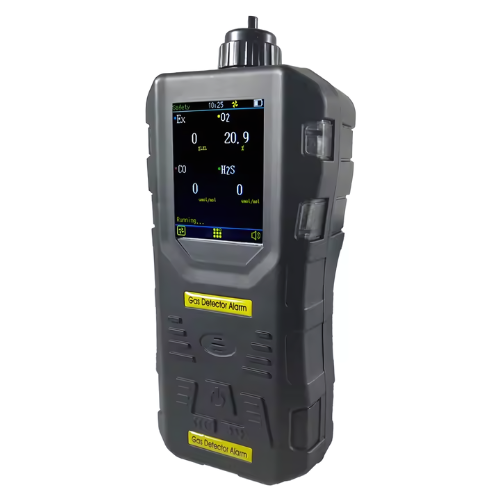
Enviro Testers Combustible Gas Detector Alarm – Ex ib llB T6Gb Explosion Proof Grade
Product successfully added to the Quote List
-
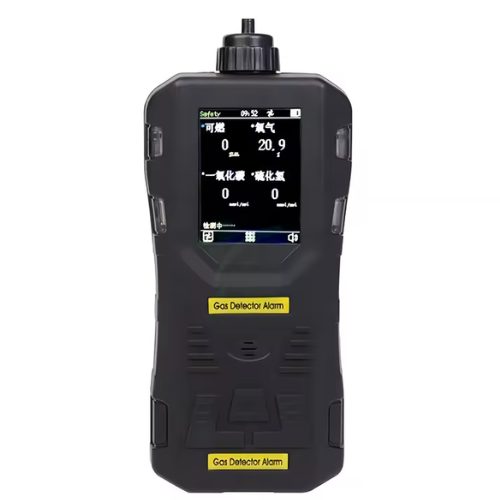
Enviro Testers Combustible Hydrogen Gas Detector
Product successfully added to the Quote List
-
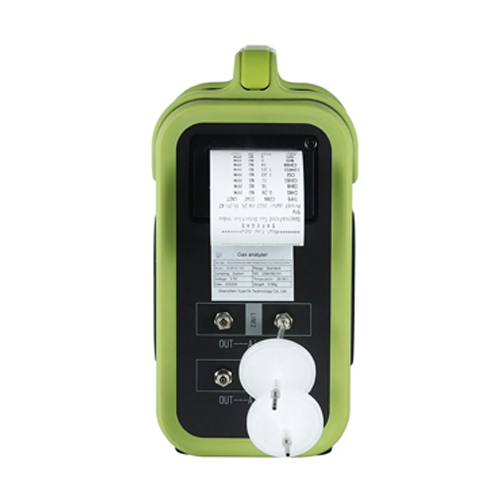
Enviro Testers Combustion Flue Gas Detector
Product successfully added to the Quote List
-

Enviro Testers Counter Flue Gas Analyzer- Protection Grade IP66
Product successfully added to the Quote List
-

Enviro Testers Custom Multi Combustible Gas Detector- Protection Class IP65
Product successfully added to the Quote List
-
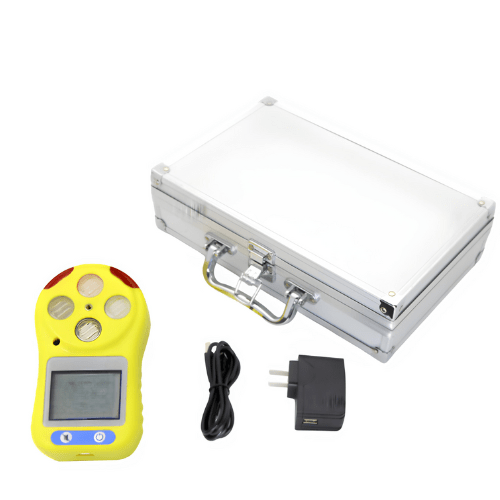
Enviro Testers Detector Measurement Analyzer-Protection Grade IP65
Product successfully added to the Quote List
-
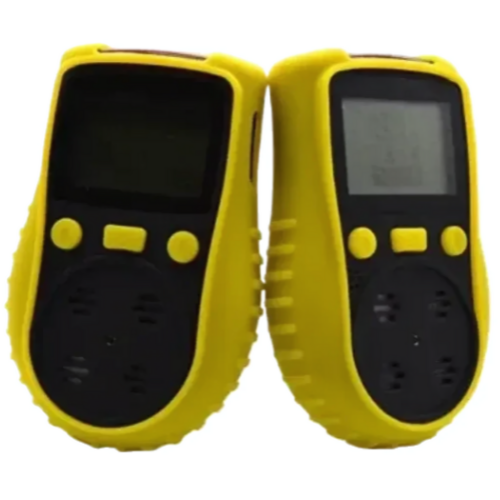
Enviro Testers Diffusion Type Multi Gas Detector – Alarm Data Recording
Product successfully added to the Quote List
-
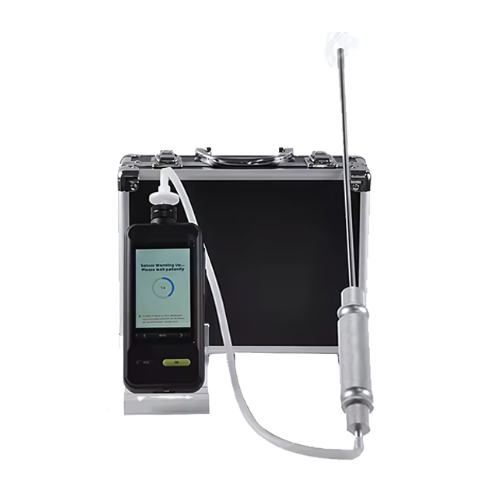
Enviro Testers Digital Insulation Multi-Meter Ohmmeter – IP66 Degree Of Protection
Product successfully added to the Quote List
-
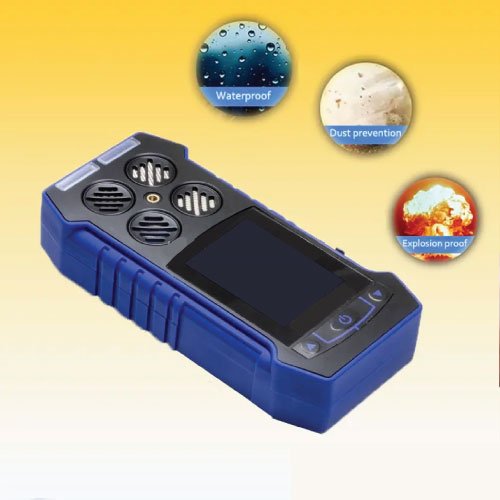
Enviro Testers Factory Supply Lithium Battery Digital Multi Gas Detector
Product successfully added to the Quote List