
Oxygen Deficiency Monitors
Oxygen deficiency monitors measure ambient O2 to protect workers from asphyxiation hazards in enclosed or poorly ventilated areas. Typical deployments include fixed oxygen sensors in labs, mechanical rooms, cryogenic storage areas, and confined spaces where inert gas releases or nitrogen purges can displace breathable air. Portable O2 meters are widely used for pre-entry screening and continuous checks during maintenance activities. Oxygen monitoring commonly relies on galvanic fuel cell sensors for practical field maintenance, or optical sensing methods where longer-term stability and reduced consumable replacement are priorities. Integration options include relay alarms, 4 to 20 mA outputs, and digital protocols such as Modbus or Ethernet gateways for PLC and facility monitoring platforms.
Properly engineered monitoring supports faster alarm response, validates purge and ventilation procedures, and provides defensible records for safety programs.
Technical definition: what oxygen deficiency monitors measure and how the alarm is interpreted
Oxygen deficiency monitors are instruments that measure oxygen concentration in air, typically expressed as percent O2 by volume. The signal is used to trigger local alarms, activate ventilation, and support entry controls when O2 levels fall below safe thresholds. Oxygen deficiency hazards are often created by displacement rather than consumption,
such as nitrogen purging, argon shielding gas use, CO2 releases, or cryogenic boil-off. Engineering teams define alarm setpoints and response procedures based on site risk assessments, space geometry, and ventilation design.
Product types used for oxygen deficiency monitoring programs
Fixed oxygen deficiency monitors and transmitters
Installed in rooms or enclosures where inert gases are stored, used, or vented. Fixed monitors provide continuous O2 readings and alarm outputs.
Portable oxygen meters
Used for confined-space pre-entry checks, work permits, and verification after purging or ventilation changes.
Personal oxygen monitors (assumption-based)
Worn by workers in tasks with variable O2 displacement risk. Assumption: the safety program requires personal alarming and has defined bump test procedures.
Sampling-based oxygen monitoring (assumption-based)
Used when sensors must be placed away from cold zones, restricted access points, or high- vibration equipment. Assumption: sampling delay is acceptable for the monitoring objective.
Controllers, annunciators, and communications gateways
Centralize multiple sensors, apply alarm logic, supervise faults, and integrate O2 monitoring with PLCs, building automation, or centralized dashboards.
Sensor technologies commonly used for oxygen measurement
Galvanic fuel cell O2 sensors
Common approach for percent oxygen measurement, valued for practical field service and predictable performance when maintained correctly.
Optical oxygen sensors (assumption-based)
Used where longer-term stability, reduced consumable replacement, or specific environmental constraints drive selection. Assumption: the application supports the optical method and maintenance plan.
Paramagnetic oxygen sensing (assumption-based)
Used in certain analytical applications requiring high accuracy. Assumption: the site requires this level of performance and can support analyzer infrastructure.
Enviro Testers has quickly established itself as a trusted leader in delivering advanced instrumentation for air, soil, and water measurement programs. With a growing B2B presence across North America, we lead in technology innovation, product reliability, and customer-focused support. Through research, continuous product development, a strict quality assurance process, and expert guidance, we help businesses streamline operations and unlock the full potential of testing and measurement solutions.
Performance capabilities that matter for oxygen deficiency hazards
Setpoint design and staged alarming
O2 deficiency programs often use multiple thresholds, such as warning and evacuation. Staged alarms support early intervention while preserving clear escalation rules.
Response time in displacement events
Inert gas releases can create rapid O2 drops in localized zones. Response time and placement determine whether the system catches sudden changes.
Stability and drift controls for defensible readings
O2 monitoring is often used for entry decisions and incident review, so repeatable readings and clear maintenance records matter.
Environmental tolerance in cold, wet, or dusty areas
Cryogenic rooms and mechanical spaces can stress sensors. Correct enclosures and placement reduce nuisance alarms and protect sensor life.
Integration options for facility systems, EHS programs, and OT networks
Outputs and communications
Common integration options include:
- 4 to 20 mA outputs for PLC inputs and historian trending
- Relay contacts for horns, beacons, fan starters, and interlock logic
- Modbus RTU/TCP for multi-point networks and centralized dashboards
- Ethernet gateways for SCADA and segmented OT architectures
Alarm logic and response workflow configuration
Controllers typically support:
- Latching high alarms requiring acknowledgement after evacuation response
- Horn silence with alarm persistence for controlled response procedures
- Delays and averaging windows used cautiously to avoid masking rapid O2 drops
- Fault supervision for sensor failure, wiring faults, and power integrity
Event logging for investigations and compliance documentation
Time-stamped logs of alarms, acknowledgements, and faults support post-incident analysis and safety program audits.
Deployment configurations tuned to real displacement mechanisms
Placement based on gas behavior and room geometry
Displacement risk varies with the released gas, ventilation pattern, and room layout. Nitrogen and argon can pool in low-ventilation areas, while some releases can create mixed stratification depending on temperature and airflow. Placement is validated during commissioning using controlled tests or ventilation studies.
Multiple sensors for large or compartmentalized spaces (assumption-based)
Large rooms, pits, or areas with partitions may need multiple sensors to avoid blind spots. Assumption: the risk assessment supports multi-point coverage.
Remote heads and service access
Service-friendly mounting reduces time in potentially unsafe zones during verification and calibration tasks.
Sampling configurations for restricted areas (assumption-based)
Sampling can pull air from cabinets or pits while keeping sensors accessible. Assumption: transport delay is acceptable and condensation risks are controlled.
Calibration, verification, and lifecycle management
Bump tests and calibration planning
O2 sensors require verification routines that confirm the sensor responds and that alarms actuate. Intervals are set based on criticality, sensor type, and environment severity.
Sensor replacement planning for galvanic cells
Galvanic sensors are consumable. Maintenance planning should include expected life under site conditions and spares strategies.
Diagnostics and health indicators
Useful features include sensor fault states, end-of-life indicators, drift tracking, and power supervision that supports fail-safe response behavior.
- Cryogenic storage rooms monitor O2 to protect staff during liquid nitrogen boil-off and transfer operations.
- Laboratories using nitrogen purges monitor oxygen to reduce asphyxiation risk near gloveboxes and inerting equipment.
- Semiconductor fabs monitor O2 in gas cabinets and sub-fab areas where nitrogen and argon are used heavily.
- Welding operations with argon shielding gas monitor enclosed bays to detect displacement risks during long production runs.
- Beverage facilities monitor O2 in bulk CO2 storage areas to support safe entry and ventilation control during cylinder changeouts.
- Pharmaceutical manufacturing monitors oxygen in inerted process areas to verify safe conditions during maintenance and cleaning tasks.
- Chemical plants monitor O2 near inerting systems to confirm purge effectiveness before introducing flammable materials.
- Data centers using inert gas fire suppression (assumption-based) monitor O2 to validate safe re-entry after discharge events.
- Confined-space entry programs use portable O2 meters to verify safe atmosphere in tanks, pits, and utility vaults.
- Mining and tunneling operations monitor O2 in enclosed zones where ventilation failures can create rapid displacement hazards.
- Food processing facilities monitor O2 in modified-atmosphere packaging areas to support safe operations near nitrogen systems.
- System integrators deploy multi-point O2 monitoring to centralize alarms and trend oxygen levels across distributed inert gas zones.
- OSHA 29 CFR 146 Permit-Required Confined Spaces
- OSHA 29 CFR 1200 Hazard Communication
- OSHA 29 CFR 147 Control of Hazardous Energy (Lockout/Tagout)
- OSHA 29 CFR 1000 Air Contaminants (program-dependent)
- ANSI/ASSP 1 Confined Spaces
- NFPA 55 Compressed Gases and Cryogenic Fluids Code
- NFPA 70 National Electrical Code (NEC)
- NFPA 72 National Fire Alarm and Signaling Code
- CGA guidance for safe handling of compressed gases and cryogenic fluids (program- dependent)
- UL certifications applicable to oxygen monitoring equipment (model-dependent)
- CSA certifications applicable to oxygen monitoring equipment (model-dependent)
- WHMIS requirements for hazardous products in Canada
- CCOHS confined-space and exposure guidance references (program-dependent)
- Provincial OHS regulations in Canada (jurisdiction-dependent)
- Canadian Electrical Code requirements for special or hazardous locations (site- dependent)
O2 deficiency monitoring designed for displacement hazards and rapid changes
Oxygen hazards often occur without odor or irritation, and displacement events can develop quickly. Enviro Testers supports monitoring configurations that prioritize fast response, staged alarming, and placement aligned to credible release points and room airflow dynamics.
Sensor selection matched to maintenance capacity and environmental constraints
Galvanic sensors offer practical field service but require planned replacement, while optical methods may reduce consumable changeouts in some environments. Practical differentiators include:
- Guidance on selecting sensor type based on temperature swings, humidity, and service access
- Configuration strategies that avoid masking rapid O2 drops with excessive averaging
- Verification workflows that confirm alarm path integrity, not only sensor output
- Diagnostics that flag end-of-life conditions and faults before decisions depend on unreliable readings
Integration-ready outputs for ventilation control and entry governance
Oxygen monitoring often drives alarms, ventilation, and permit decisions. Enviro Testers supports integration requirements through:
- Documented 4 to 20 mA scaling with defined fault current conventions
- Relay outputs for horns, beacons, fans, and interlock logic
- Modbus connectivity for centralized dashboards and historian retention
- Event logs that support incident investigation and safety audits
Maintainability that fits short outages and distributed installations
O2 monitors are often spread across labs, mechanical rooms, and storage spaces. Engineering-oriented maintainability includes:
- Service-friendly mounting and clear calibration interfaces
- Standardized accessories and documentation that reduce training overhead
- Spares planning aligned to sensor consumable life and criticality ranking
- Deployment guidance that reduces nuisance alarms caused by poor placement or airflow bias
Procurement-friendly standardization without compromising safety fit
Enviro Testers helps organizations standardize O2 monitoring platforms and documentation
while tailoring housings, outputs, and coverage density to each zone’s displacement risk.
Teams deploying oxygen deficiency monitoring often need help selecting sensor technology, defining placement for displacement hazards, integrating alarms into PLC or facility systems, and building verification workflows that remain defensible for audits and incident review.
Connect with Enviro Testers through our Contact Us page to request product information, technical consultation, integration support, procurement guidance, or assistance developing calibration and maintenance procedures.
Showing 1–16 of 99 results
-

Enviro Testers Portable 6 in 1 gas detector with pump – 6 Level Adjusted Pump
Product successfully added to the Quote List
-
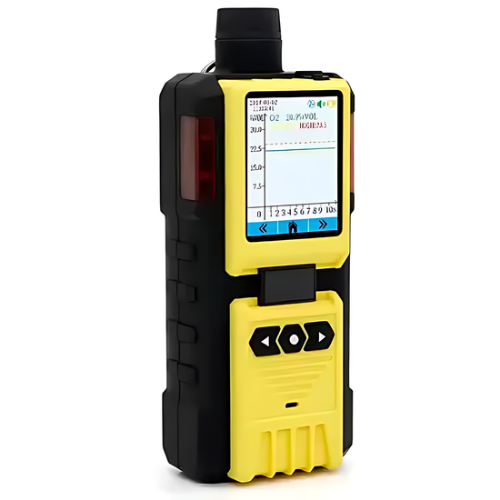
Enviro Testers Gas Detector Portable Oxygen Gas Detector – IP65 Protection
Product successfully added to the Quote List
-

Enviro Testers Outdoor Explosion-Proof O2 Detector – Waterproof
Product successfully added to the Quote List
-

Enviro Testers 4 in 1 Oxygen Concentration Detector
Product successfully added to the Quote List
-
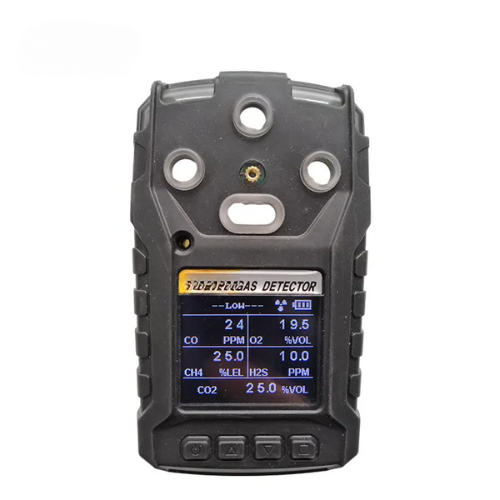
Enviro Testers 5 in 1 Portable Multi Gas Detector
Product successfully added to the Quote List
-

Enviro Testers Compact Gas O2 Analyzer – IP66 IP grade
Product successfully added to the Quote List
-
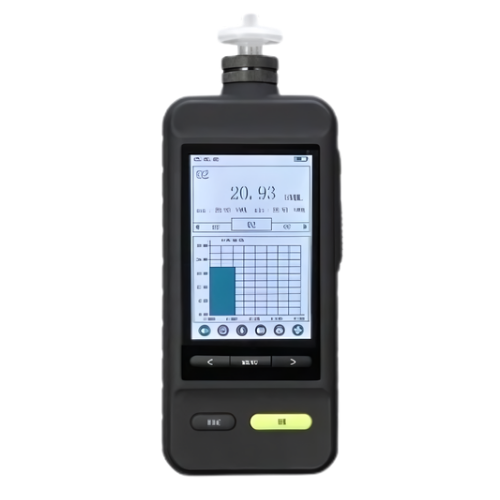
Enviro Testers Compact Gas Oxygen Analyzer – IP66 Degree of protection
Product successfully added to the Quote List
-

Enviro Testers Compound Gas Detector
Product successfully added to the Quote List
-
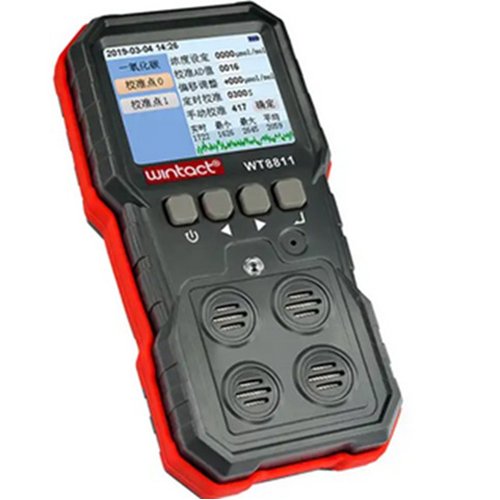
Enviro Testers Compound Oxygen Gas Detector
Product successfully added to the Quote List
-
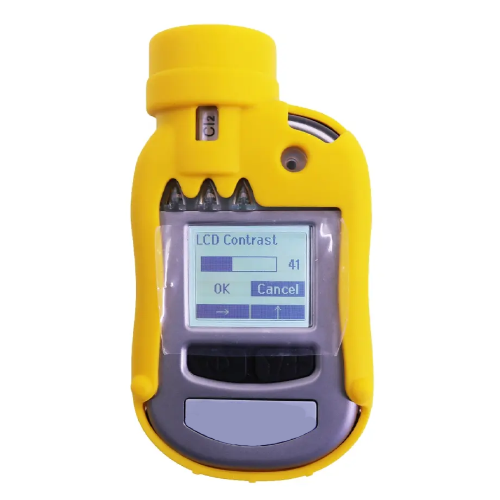
Enviro Testers Digital Oxygen Gas Monitor
Product successfully added to the Quote List
-

Enviro Testers Durable Reliable Single Gas Detector For Oxygen Analyzer
Product successfully added to the Quote List
-

Enviro Testers Electrochemical Oxygen Gas Detector
Product successfully added to the Quote List
-

Enviro Testers Emission Gas Detector
Product successfully added to the Quote List
-
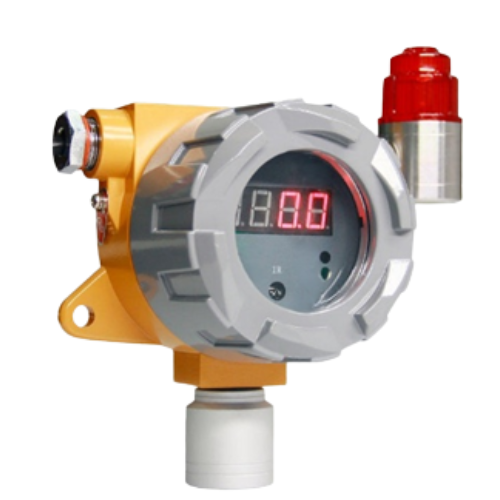
Enviro Testers Fixed Oxygen Gas Detector with LED Display Alarm – Enviro Testers
Product successfully added to the Quote List
-

Enviro Testers Fixed Oxygen Gas Detector with Sound and Light Alarm – Enviro Testers
Product successfully added to the Quote List
-
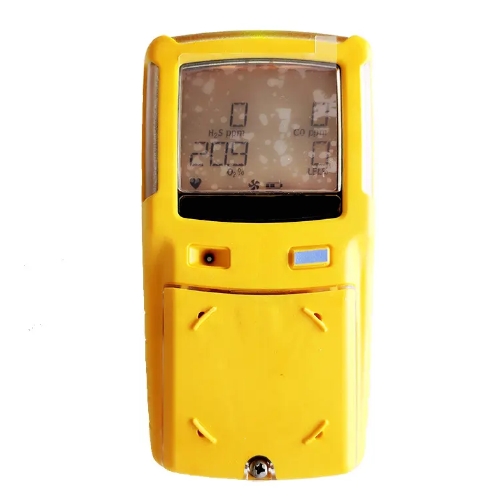
Enviro Testers Four-in-one Oxygen Gas Detector
Product successfully added to the Quote List