
Ozone Gas Monitors
Ozone gas monitors are specialized detection instruments engineered to measure ozone concentrations in ambient air, industrial processes, and controlled environments. Ozone, while beneficial in upper atmospheric layers, presents health and operational risks at ground level and in enclosed facilities. Accurate ozone detection supports exposure control, regulatory compliance, and process optimization across industrial, municipal, and research settings.
Modern ozone analyzers employ electrochemical, UV photometric, and semiconductor sensing technologies to quantify trace-level ozone concentrations with high sensitivity and stability. These instruments are integrated into comprehensive environmental testing systems for air, soil, and water monitoring where gas-phase oxidant measurement influences risk assessment, emission management, and environmental quality programs. Reliable ozone gas detection ensures informed decision-making for engineers, safety officers, and environmental compliance teams operating in complex regulatory environments.
Engineering Overview of Ozone Detection Technologies
Ozone gas monitors, also referred to as ozone analyzers or ozone detectors, are precision instruments designed to measure ozone concentrations in parts per million or parts per billion. These devices detect ozone through chemical, optical, or electronic sensing mechanisms, converting gas exposure into measurable electrical signals.
Within advanced environmental testing systems for air, soil, and water assessment, ozone monitors provide critical oxidant concentration data that influences:
- Occupational exposure evaluation
- Ambient air quality studies
- Industrial process validation
- Emission characterization
- Laboratory research protocols
Sensor outputs are typically integrated into fixed gas detection networks, portable monitoring platforms, or centralized supervisory control systems. Primary Types of Ozone Gas Monitors Offered by Enviro Testers
Enviro Testers supports multiple ozone monitoring technologies selected according to detection limits, environmental conditions, and compliance requirements.
Electrochemical Ozone Sensors
Electrochemical ozone monitors detect gas concentrations through oxidation reactions at an electrode surface. Resulting current changes correlate to ozone levels. These sensors are commonly used for:
- Workplace exposure monitoring
- Portable handheld gas detection
- Perimeter environmental surveillance
They provide cost-effective measurement for low to moderate ozone concentrations.
UV Photometric Ozone Analyzers
UV absorption ozone analyzers measure ozone concentration by quantifying ultraviolet light absorption at specific wavelengths. This method offers high accuracy and is widely used for:
- Regulatory ambient air monitoring
- Continuous emissions monitoring support
- Research-grade atmospheric analysis
Assuming stable calibration and controlled flow rates, UV photometric instruments deliver precise trace-level detection.
Semiconductor Ozone Detectors
Semiconductor-based ozone sensors detect gas presence through changes in electrical resistance across a sensing element. These monitors are typically applied in:
- Industrial process monitoring
- Ozone generation system validation
- Indoor air quality management
Sensor selection depends on sensitivity requirements, cross-sensitivity tolerance, and environmental stability expectations.
Engineering Overview of Ozone Detection Technologies
Ozone gas monitors, also referred to as ozone analyzers or ozone detectors, are precision instruments designed to measure ozone concentrations in parts per million or parts per billion. These devices detect ozone through chemical, optical, or electronic sensing mechanisms, converting gas exposure into measurable electrical signals.
Within advanced environmental testing systems for air, soil, and water assessment, ozone monitors provide critical oxidant concentration data that influences:
- Occupational exposure evaluation
- Ambient air quality studies
- Industrial process validation
- Emission characterization
- Laboratory research protocols
Sensor outputs are typically integrated into fixed gas detection networks, portable monitoring platforms, or centralized supervisory control systems. Primary Types of Ozone Gas Monitors Offered by Enviro Testers
Enviro Testers supports multiple ozone monitoring technologies selected according to detection limits, environmental conditions, and compliance requirements.
Electrochemical Ozone Sensors
Electrochemical ozone monitors detect gas concentrations through oxidation reactions at an electrode surface. Resulting current changes correlate to ozone levels. These sensors are commonly used for:
- Workplace exposure monitoring
- Portable handheld gas detection
- Perimeter environmental surveillance
They provide cost-effective measurement for low to moderate ozone concentrations.
UV Photometric Ozone Analyzers
UV absorption ozone analyzers measure ozone concentration by quantifying ultraviolet light absorption at specific wavelengths. This method offers high accuracy and is widely used for:
- Regulatory ambient air monitoring
- Continuous emissions monitoring support
- Research-grade atmospheric analysis
Assuming stable calibration and controlled flow rates, UV photometric instruments deliver precise trace-level detection.
Semiconductor Ozone Detectors
Semiconductor-based ozone sensors detect gas presence through changes in electrical resistance across a sensing element. These monitors are typically applied in:
- Industrial process monitoring
- Ozone generation system validation
- Indoor air quality management
Sensor selection depends on sensitivity requirements, cross-sensitivity tolerance, and environmental stability expectations.
Ozone gas monitoring systems may align with the following regulatory and certification frameworks:
- United States Environmental Protection Agency National Ambient Air Quality Standards
- EPA 40 CFR Part 50 ozone standards
- EPA 40 CFR Part 58 ambient monitoring requirements
- Occupational Safety and Health Administration permissible exposure limits
- National Institute for Occupational Safety and Health guidelines
- Environment and Climate Change Canada air quality objectives
- Canadian Centre for Occupational Health and Safety exposure limits
- CSA electrical safety standards
- FCC equipment authorization requirements
- NIST traceable calibration standards
- ISO 9001 quality management systems
- ISO 17025 calibration laboratory accreditation
Procurement and compliance teams should confirm site-specific requirements and reporting obligations prior to final system selection.
Enviro Testers has rapidly earned recognition as a trusted provider of advanced environmental testing systems for air, soil, and water monitoring across North America. Our growth in the B2B sector reflects a disciplined approach to technology validation, product reliability, and customer-focused engineering support.
Application-Driven Sensor Selection
Ozone measurement requirements differ between municipal water facilities and ambient air research stations. We conduct structured requirement analysis covering:
- Expected concentration ranges
- Environmental exposure conditions
- Cross-gas interference risks
- Regulatory reporting thresholds
- Maintenance resource availability
Assumptions regarding humidity impact, calibration drift, and airflow stability are explicitly documented to support engineering review.
Integration with Broader Gas Detection Infrastructure
Ozone analyzers often operate within multi-gas detection frameworks. Enviro Testers provides:
- Compatibility mapping with existing detection networks
- Configuration of analog and digital communication outputs
- Structured wiring diagrams and signal routing guidance
- Telemetry setup for remote environmental reporting
System integrators benefit from standardized documentation packages and technical consultation throughout project implementation.
Quality Assurance and Calibration Discipline
Reliable oxidant detection depends on traceable calibration and sensor validation. Our quality processes emphasize:
- Documented calibration traceability
- Verification against reference gas standards
- Defined recalibration schedules
- Performance verification prior to shipment
Continuous research and product development efforts support stable sensor performance across varied industrial conditions.
Durable Construction for Demanding Environments
Industrial ozone generation systems often operate in humid, chemically reactive, or high-temperature environments. Equipment supplied by Enviro Testers incorporates:
- Corrosion-resistant materials
- Temperature-rated electronic components
- Protective enclosures for moisture control
- Replaceable sensor modules to minimize downtime
Field experience across manufacturing, municipal, and research sectors informs our recommendations for housing and installation practices.
Customer-Focused Technical Collaboration
Engineering teams, procurement specialists, and compliance officers rely on transparent technical communication. Our support includes:
- Pre-deployment site evaluation guidance
- Documentation for regulatory audits
- Ongoing troubleshooting assistance
- Training resources for maintenance personnel
Research-driven design, continuous product refinement, and a disciplined quality assurance process enable organizations to streamline gas detection operations and maximize the effectiveness of their measurement infrastructure.
Ozone gas monitors represent a critical component of industrial safety programs, environmental compliance strategies, and advanced atmospheric analysis. Accurate ozone detection directly impacts worker protection, regulatory reporting, and process reliability.
Enviro Testers partners with technical executives, engineers, environmental managers, and system integrators to configure ozone detection systems aligned with operational objectives and regulatory frameworks across the United States, Canada, and international markets.
For detailed specifications, system architecture consultation, or assistance selecting the appropriate ozone analyzer for your application, reach out through our Contact Us page. Our technical team will collaborate with you to design a solution that supports reliable, defensible, and high-precision gas monitoring.
Showing 1–16 of 98 results
-

Alarm Enabled Handheld Ozone Gas Detector with Data Logging – Enviro Testers
Product successfully added to the Quote List
-
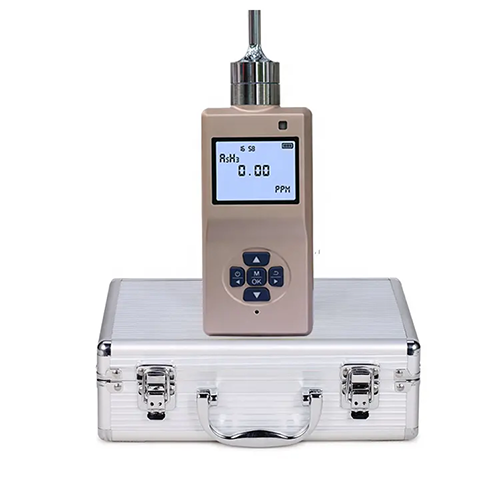
Enviro Testers Argon Gas Analyzer
Product successfully added to the Quote List
-
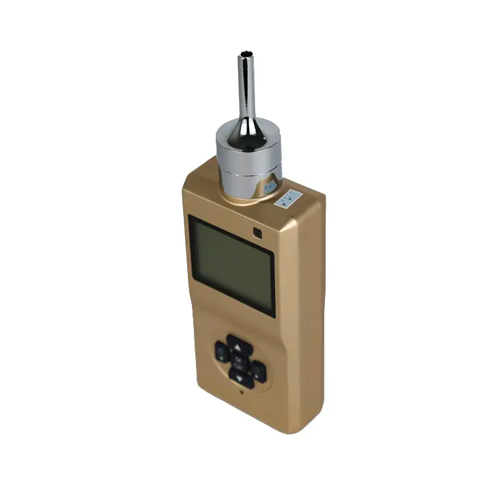
Enviro Testers Automatic Ozone Detector
Product successfully added to the Quote List
-

Enviro Testers Color Screen Ozone Detector
Product successfully added to the Quote List
-
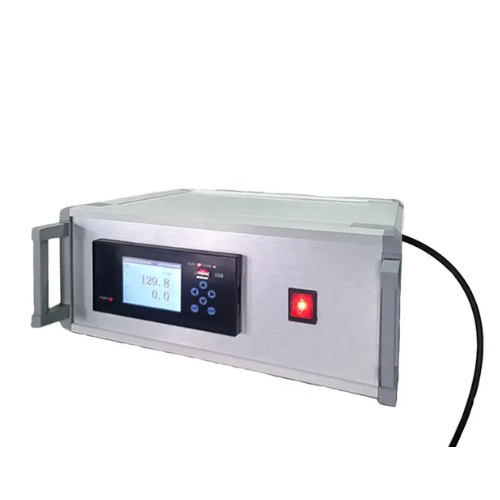
Enviro Testers Digital Precision Detector
Product successfully added to the Quote List
-

Enviro Testers Dissolved Ozone Detector
Product successfully added to the Quote List
-

Enviro Testers Electrochemical Method Portable Detector
Product successfully added to the Quote List
-
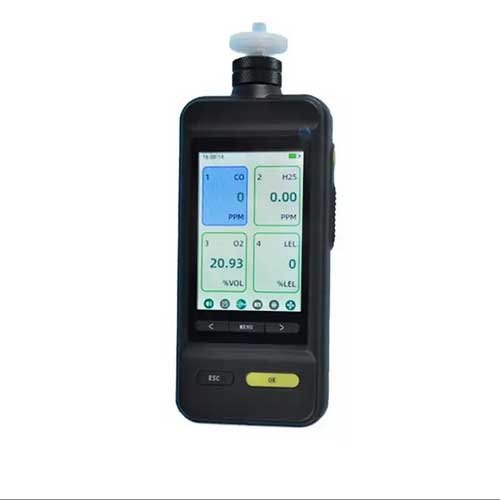
Enviro Testers Electrochemical Method Portable Detector
Product successfully added to the Quote List
-
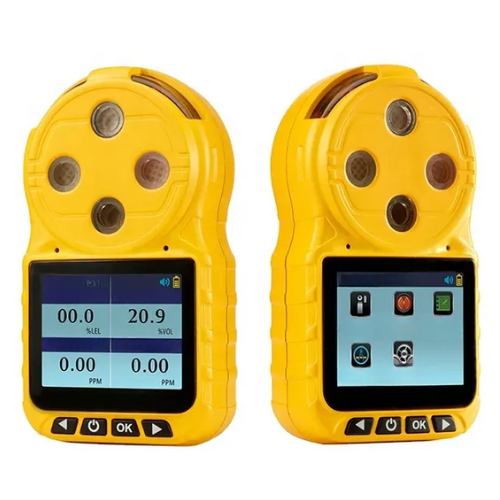
Enviro Testers Explosive Gas Ozone Detector
Product successfully added to the Quote List
-
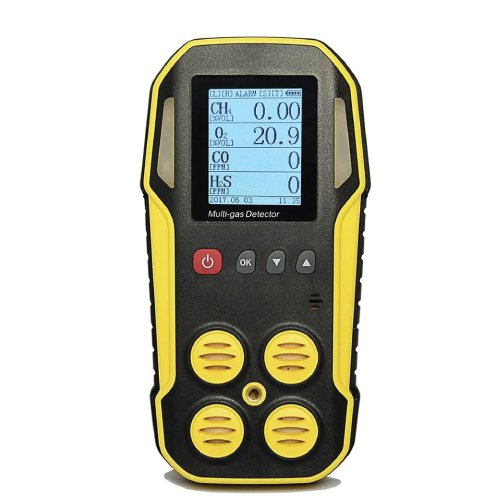
Enviro Testers Gas Detector, CH4 CO, O2, H2S Multi 4 Gas Analyzer
Product successfully added to the Quote List
-

Enviro Testers Handheld Leakage Detector
Product successfully added to the Quote List
-

Enviro Testers High Accuracy Handheld Multi-Gas Detector Portable Pumping Type Ozone Gas Detection Device
Product successfully added to the Quote List
-

Enviro Testers High Accuracy Ozone Detector
Product successfully added to the Quote List
-
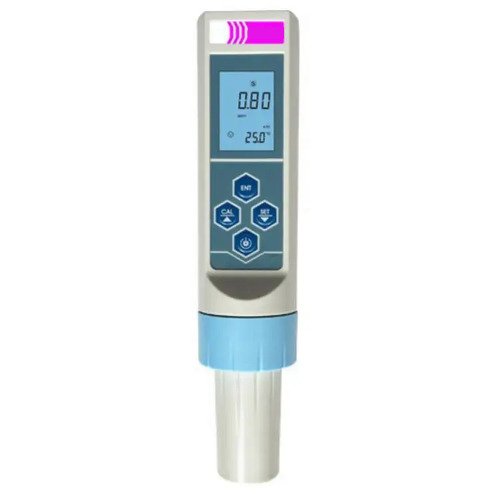
Enviro Testers High Accuracy UV Ozone Gas Detector
Product successfully added to the Quote List
-

Enviro Testers High Accuracy Wall Mounted Online O3 Measurement Monitor Ozone Gas Detector
Product successfully added to the Quote List
-

Enviro Testers Home Portable Ozone Detector
Product successfully added to the Quote List