
Gas Detection Equipment
Gas Detection Equipment forms a foundational layer of industrial safety systems and environmental measurement programs. Modern gas monitors and gas analyzers are engineered to detect toxic, combustible, corrosive, and oxygen-deficient atmospheres across manufacturing plants, energy facilities, laboratories, water treatment operations, and remediation sites. These instruments support integrated air, soil vapor, and water-related atmospheric monitoring initiatives where accurate gas concentration data is essential for compliance, risk mitigation, and operational continuity.
Sensor technologies including electrochemical cells, non-dispersive infrared detectors, catalytic bead elements, thermal conductivity sensors, and photoionization detectors enable measurement from low ppb concentrations to percent volume ranges. Configurations span portable gas detectors, fixed-point transmitters, and networked environmental monitoring stations.
Enviro Testers supports engineering teams and safety professionals with reliable gas sensing platforms designed for demanding field and industrial environments. Our focus on measurement integrity, regulatory alignment, and system integration reflects our broader leadership in advanced environmental testers for air, soil, and water monitoring across North America.
Functional Performance Across Industrial Gas Monitoring Programs
Gas detection systems must operate as dependable safety and compliance instruments rather than simple alarm devices. Enviro Testers designs and supplies equipment that supports complex environmental testing and industrial hygiene objectives.
Measurement and Detection Functions
- Continuous monitoring of toxic gases, flammable vapors, and oxygen concentration
- Simultaneous multi-gas measurement through modular sensor configurations
- Real-time display of ppm, ppb, or percent volume gas concentrations
- Adjustable alarm setpoints aligned with occupational exposure limits
- Rapid response time to support emergency detection scenarios
- Automatic sensor diagnostics and fault detection
- Data logging for environmental audits and compliance documentation
- Calibration tracking and maintenance alerts
Integration and System Connectivity
- Analog outputs such as 4 to 20 mA for PLC and DCS integration
- Digital communication protocols including Modbus and Ethernet
- Relay outputs for ventilation and alarm control activation
- Remote telemetry capability for distributed environmental monitoring
- Compatibility with centralized environmental data management systems
These functions support comprehensive atmospheric monitoring across industrial facilities, waste management sites, and regulated operations where environmental data accuracy directly affects operational decisions.
Engineering evaluation should focus on performance characteristics aligned with the specific hazard profile and monitoring objective. Procurement teams typically assess the following technical criteria:
- Sensor detection principle such as electrochemical, infrared, catalytic bead, PID, or thermal conductivity
- Measurement range and resolution appropriate for expected concentration levels
- T90 response time under standard test conditions
- Sensor selectivity and documented cross-sensitivity behavior
- Operating temperature and humidity range
- Ingress protection rating for dust and water exposure
- Intrinsic safety or explosion-proof certifications for classified areas
- Calibration interval and expected sensor lifespan
- Power supply requirements including battery, line power, or hybrid options
- Data storage capacity and export formats
- Integration compatibility with industrial automation infrastructure
Field experience indicates that underestimating environmental exposure conditions such as humidity spikes, corrosive vapors, or temperature cycling can significantly affect sensor stability. Proper specification review reduces lifecycle costs and downtime.
Ammonia Gas Monitors from Enviro Testers
Ammonia gas monitors are commonly deployed in refrigeration plants, fertilizer production facilities, and wastewater treatment systems. Electrochemical NH3 sensors provide accurate low ppm detection for occupational exposure management and leak identification. Fixed transmitters support continuous area monitoring near compressors and storage tanks. Portable ammonia detectors are used for maintenance inspections and emergency response. Sensor placement must consider air circulation and ammonia’s lighter-than-air properties. These systems support compliance documentation and reduce the risk of corrosive damage and worker exposure incidents.
Click here for Ammonia Gas Monitors
Carbon Dioxide Monitors from Enviro Testers
Carbon dioxide monitors rely primarily on non-dispersive infrared sensing for stable and selective CO2 measurement. Applications include indoor air quality monitoring, combustion analysis, fermentation processes, and confined space evaluation. Measurement ranges can extend from ambient background levels to high percentage concentrations. Infrared detection reduces susceptibility to sensor poisoning. Environmental measurement programs use CO2 data to evaluate ventilation efficiency and emissions performance. Integration with building management systems enables automated ventilation control based on real-time concentration thresholds.
Click here for Carbon Dioxide Monitors
Carbon Monoxide Monitors from Enviro Testers
Carbon monoxide monitors protect personnel from exposure to this odorless and toxic gas produced during incomplete combustion. Electrochemical CO sensors offer high sensitivity at low ppm levels and rapid alarm response. Fixed CO detection systems are installed in parking garages, boiler rooms, and manufacturing facilities. Portable CO detectors are issued for confined space entry and combustion equipment servicing. Reliable calibration routines and documented accuracy are critical for compliance with occupational safety regulations and emission verification programs.
Click here for Carbon Monoxide Monitors
Combustible Gas Sensors from Enviro Testers
Combustible gas sensors detect flammable vapors as a percentage of the lower explosive limit. Catalytic bead sensors are commonly used in hydrocarbon-rich environments, while infrared sensors offer enhanced stability in oxygen-deficient or high contaminant conditions. These instruments are installed in refineries, chemical processing plants, and natural gas infrastructure. Accurate LEL measurement supports explosion prevention strategies. Proper commissioning requires evaluation of ventilation patterns and gas accumulation points.
Click here for Combustible Gas Sensors
Formaldehyde Gas Monitors from Enviro Testers
Formaldehyde gas monitors address air quality concerns in manufacturing, laboratories, healthcare facilities, and building material production. Electrochemical sensors are designed for low-level detection consistent with occupational exposure limits. Monitoring formaldehyde emissions is essential in resin production, composite wood manufacturing, and indoor environmental assessments. Data logging capability supports environmental audits and exposure documentation. Selection should account for humidity influence and potential interference gases.
Click here for Formaldehyde Gas Monitors
Hydrogen Sulfide Monitors from Enviro Testers
Hydrogen sulfide monitors are widely used in oil and gas production, wastewater treatment, and pulp and paper facilities. Electrochemical H2S sensors provide reliable ppm-level detection with fast alarm activation. Fixed detection networks protect process areas, while personal monitors are issued for confined space operations. Corrosion-resistant housings are recommended in sour gas environments. Continuous H2S monitoring supports odor control initiatives and regulatory compliance reporting.
Click here for Hydrogen Sulfide Monitors
Hydrogen Gas Monitors from Enviro Testers
Hydrogen gas monitors are deployed in battery storage rooms, fuel cell installations, and chemical processing environments. Catalytic and thermal conductivity sensors are selected based on detection range requirements. Hydrogen’s low molecular weight necessitates sensor placement near ceiling levels in enclosed spaces. Continuous hydrogen monitoring mitigates explosion risk and supports safe energy storage operations. Integration with ventilation controls enhances facility safety strategies.
Click here for Hydrogen Gas Monitors
Methane Gas Monitors from Enviro Testers
Methane gas monitors support landfill gas management, oil and gas exploration, and biogas production. Infrared sensing technology provides stable CH4 detection with reduced maintenance compared to catalytic sensors in certain applications. Portable methane analyzers are used for leak surveys and fugitive emission detection. Fixed methane transmitters enable perimeter monitoring and regulatory documentation for greenhouse gas reporting programs.
Click here for Methane Gas Monitors
Nitric Oxide Monitors from Enviro Testers
Nitric oxide monitors are used in combustion analysis and industrial emission studies. Electrochemical sensors provide low ppm detection to evaluate combustion efficiency and pollutant formation. Stack testing and research applications often require portable or semi-permanent analyzer configurations. Cross-sensitivity with nitrogen dioxide should be evaluated during specification review to ensure data accuracy.
Click here for Nitric Oxide Monitors
Nitrogen Dioxide Monitors from Enviro Testers
Nitrogen dioxide monitors measure NO2 from combustion processes and vehicle emissions. Electrochemical detection supports industrial hygiene and ambient air quality monitoring. Fixed monitoring stations are deployed near traffic corridors and industrial stacks. Reliable calibration and documented accuracy are critical for regulatory reporting and environmental impact assessments.
Click here for Nitrogen Dioxide Monitors
Oxygen Deficiency Monitors from Enviro Testers
Oxygen deficiency monitors measure percent volume oxygen to identify hazardous atmospheres caused by inert gas displacement. Applications include nitrogen blanketing systems, cryogenic storage, and confined spaces. Electrochemical O2 sensors activate alarms when concentrations fall below safe thresholds. Fixed oxygen monitoring systems integrate with facility safety controls. Portable oxygen analyzers are standard equipment for confined space entry teams.
Click here for Oxygen Deficiency Monitors
Ozone Gas Monitors from Enviro Testers
Ozone gas monitors are used in water treatment, semiconductor manufacturing, and laboratory environments. Detection methods may include electrochemical or UV absorption technologies. Low-level ozone measurement supports process optimization and occupational safety compliance. Ozone’s reactive nature requires careful material compatibility evaluation when selecting monitoring equipment.
Click here for Ozone Gas Monitors
Multi Gas Detectors from Enviro Testers
Multi gas detectors combine several sensor technologies into a single platform for comprehensive atmospheric assessment. Common configurations include oxygen, combustible gases, carbon monoxide, and hydrogen sulfide. These instruments are widely used in confined space entry and industrial maintenance programs. Integrated data logging supports incident investigation and compliance documentation. Modular sensor design enables adaptation to site-specific hazards.
Click here for Multi Gas Detectors
Specialty Gas Monitors from Enviro Testers
Specialty gas monitors address targeted detection of gases such as chlorine, sulfur dioxide, phosphine, and volatile organic compounds. Photoionization detectors and application-specific electrochemical sensors are commonly used. These systems support chemical manufacturing, hazardous material storage, and environmental remediation projects. Calibration procedures often require certified span gases tailored to the specific compound being measured.
- Continuous fence-line air monitoring for regulated industrial facilities
- Confined space atmospheric verification prior to maintenance entry
- Fugitive emission detection in upstream and midstream energy operations
- Landfill methane measurement supporting greenhouse gas reporting
- Hydrogen sulfide monitoring in wastewater treatment infrastructure
- Combustion gas analysis for power generation emission control
- Indoor air quality validation in commercial and healthcare buildings
- Ammonia leak detection in industrial refrigeration systems
- Vapor intrusion monitoring at environmental remediation sites
- Hazardous chemical storage area atmospheric surveillance
- Process gas monitoring in semiconductor manufacturing facilities
- Emergency response atmospheric hazard identification during incident management
- OSHA 29 CFR 1910
- OSHA 29 CFR 1926
- NIOSH guidelines
- EPA Clean Air Act
- ANSI performance standards for gas detection equipment
- NFPA 72
- NFPA 820
- CSA hazardous location certifications
- UL hazardous location listings
- ANSI ISA industrial automation standards
| Capability Area | Portable Gas Detectors | Fixed Gas Detection Systems | Networked Monitoring Stations |
| Primary Use | Personal and mobile safety | Continuous area protection | Facility-wide environmental oversight |
| Power Source | Rechargeable battery | Hardwired with backup options | Hardwired with centralized backup |
| Sensor Configuration | Single or multi gas | Single point or distributed | Multi-parameter integration |
| Data Handling | Local memory download | Central controller logging | Server or cloud-based aggregation |
| Alarm Outputs | Audible, visual, vibration | Local and remote relay | Integrated alert management |
| Integration Level | Limited automation linkage | PLC and SCADA connectivity | Enterprise environmental systems |
Deployment planning requires hazard mapping, airflow analysis, and risk assessment. Gas density, ventilation patterns, and process equipment layout influence sensor placement. Fixed transmitters are typically installed at strategic accumulation points, while portable detectors are assigned to personnel performing maintenance or inspection tasks.
Industrial environments may expose instruments to vibration, humidity, corrosive chemicals, or temperature fluctuations. Enclosure ratings and sensor selection must align with these conditions. Power strategies vary from rechargeable battery systems to continuous line-powered installations with backup supply.
Data handling approaches range from local display verification to centralized logging integrated with environmental reporting systems. Maintenance protocols should include routine calibration, bump testing, and documented inspection cycles to maintain measurement integrity and regulatory compliance.
Enviro Testers has quickly established itself as a trusted leader in delivering advanced environmental testers for air, soil, and water monitoring. Through research, continuous product development, rigorous quality assurance, and expert guidance, we help organizations streamline operations and maximize the performance of their gas monitoring and environmental measurement programs.
- Early detection of hazardous gases reduces incident probability and operational disruption
- Continuous data collection supports regulatory documentation and audit readiness
- Modular sensor platforms allow scalable monitoring across expanding facilities
- Integration with industrial control systems enhances automated safety response
- High measurement accuracy supports defensible environmental reporting
- Durable construction ensures reliability in demanding industrial conditions
What factors determine the appropriate sensor technology for a specific gas?
Gas properties, expected concentration range, environmental conditions, and required detection limits influence sensor selection. Electrochemical sensors are common for toxic gases, while infrared is preferred for certain hydrocarbons and carbon dioxide.
How often should gas detection systems be calibrated?
Calibration frequency depends on manufacturer guidance, environmental exposure, and regulatory requirements. High-risk environments may require monthly calibration with more frequent bump testing.
Can gas detection equipment integrate with existing industrial automation systems?
Many fixed systems provide 4 to 20 mA outputs and digital protocols such as Modbus for integration with PLC and SCADA platforms.
What is the difference between portable and fixed gas detection systems?
Portable detectors are designed for temporary or personnel-based monitoring. Fixed systems provide continuous area coverage and are permanently installed.
How does environmental exposure affect sensor lifespan?
Extreme temperatures, humidity, corrosive vapors, and repeated exposure to high gas concentrations can reduce sensor life expectancy.
Are multi gas detectors suitable for compliance reporting?
Multi gas detectors can support compliance activities when properly calibrated and documented, though fixed monitoring systems are often preferred for long-term regulatory programs.
Technical executives, engineers, and procurement teams seeking reliable gas detection systems can collaborate directly with our specialists. Enviro Testers provides specification support, integration guidance, and long-term technical assistance tailored to industrial safety and environmental monitoring requirements across the USA, Canada, and global markets.
Connect with our team through our Contact Us page to discuss your application, request a quotation, or schedule a technical consultation with Enviro Testers.
Showing 49–64 of 1717 results
-

Enviro Testers Hydrogen Fluoride Gas Detector
Product successfully added to the Quote List
-
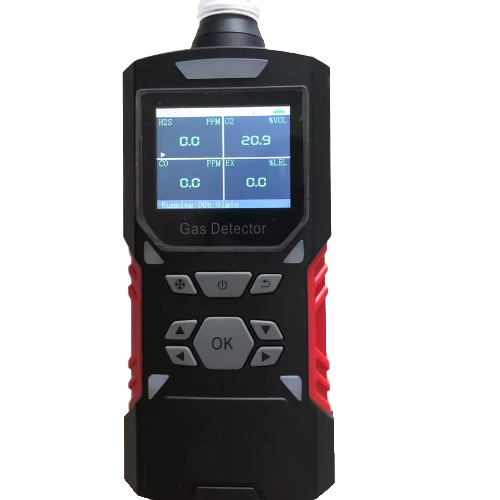
Enviro Testers Multi-Gas Detector – Automatic Battery Detection
Product successfully added to the Quote List
-

Enviro Testers Outdoor Explosion-Proof O2 Detector – Waterproof
Product successfully added to the Quote List
-

Enviro Testers 0 ppm to 1000 ppm Formaldehyde Gas Detector
Product successfully added to the Quote List
-
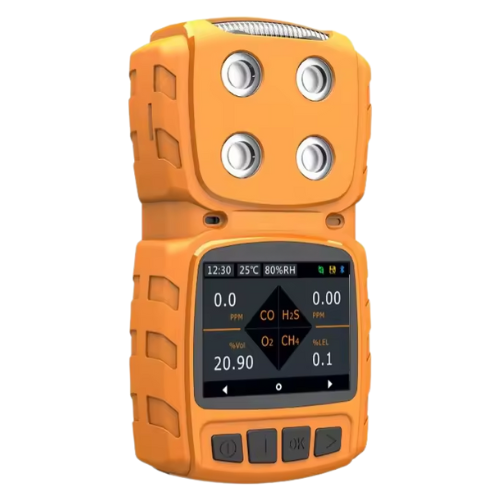
Enviro Testers 2 Gas Portable Multi Gas Detector
Product successfully added to the Quote List
-

Enviro Testers 2-In-1 Gas Leak Detector
Product successfully added to the Quote List
-
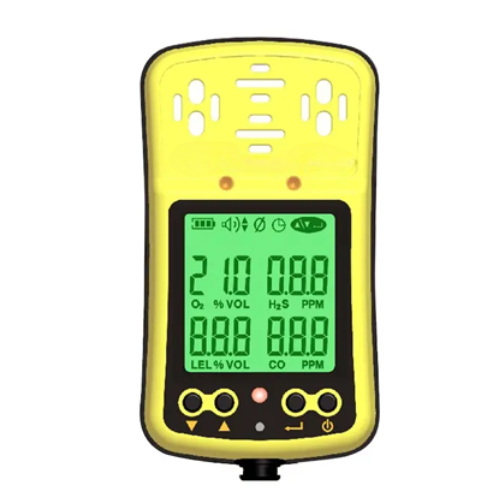
Enviro Testers 4 Gases in 1 Detector
Product successfully added to the Quote List
-
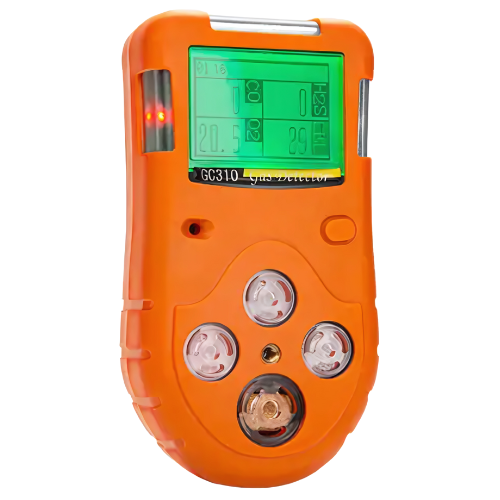
Enviro Testers 4 In 1 Carbon Monoxide Gas Alarm – Response Time Of < 30 s (T90)
Product successfully added to the Quote List
-

Enviro Testers 4 In 1 Gas Analyzer Monitor Alarm – IP65 Protection Grade
Product successfully added to the Quote List
-
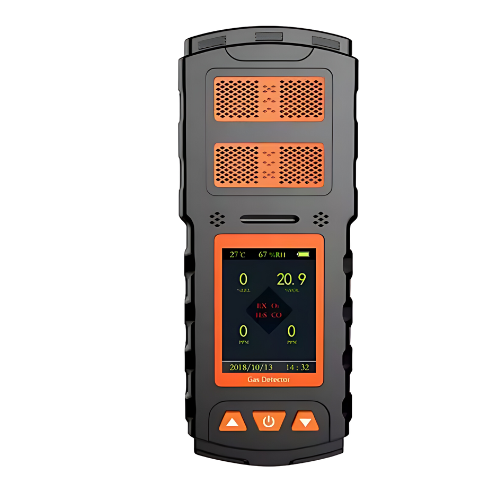
Enviro Testers 4 in 1 Gas Analyzer Monitor Alarm – Protection Grade IP65
Product successfully added to the Quote List
-
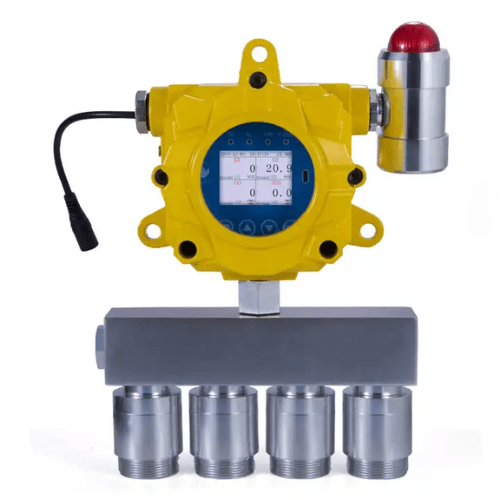
Enviro Testers 4 In 1 Gas Detector
Product successfully added to the Quote List
-
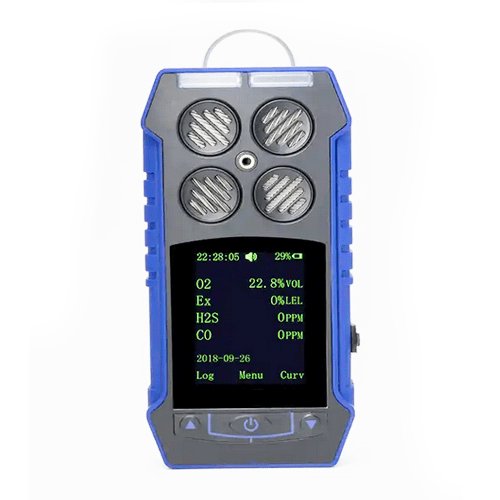
Enviro Testers 4 in 1 Gas Detector
Product successfully added to the Quote List
-
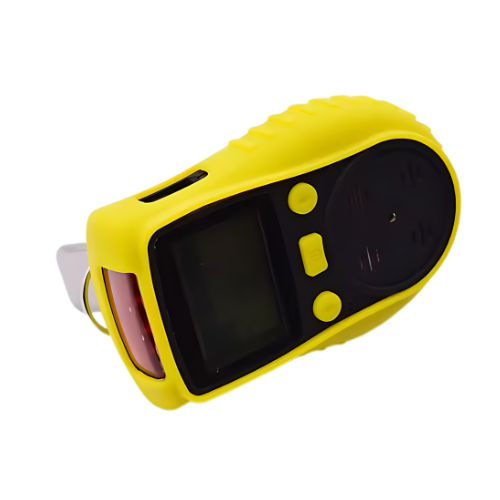
Enviro Testers 4 in 1 Gas Detector Meter
Product successfully added to the Quote List
-
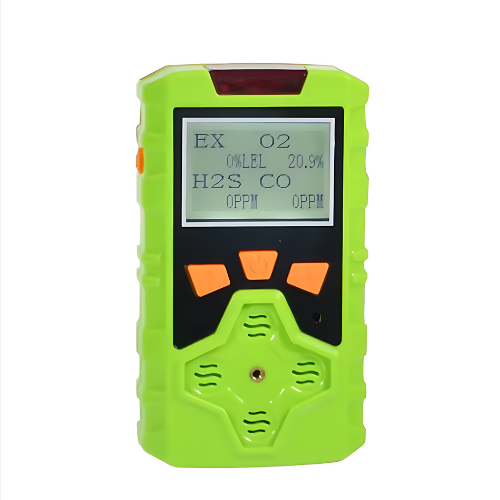
Enviro Testers 4 In 1 Gas Detector With Alarm
Product successfully added to the Quote List
-

Enviro Testers 4 in 1 Multi Gas Detector
Product successfully added to the Quote List
-
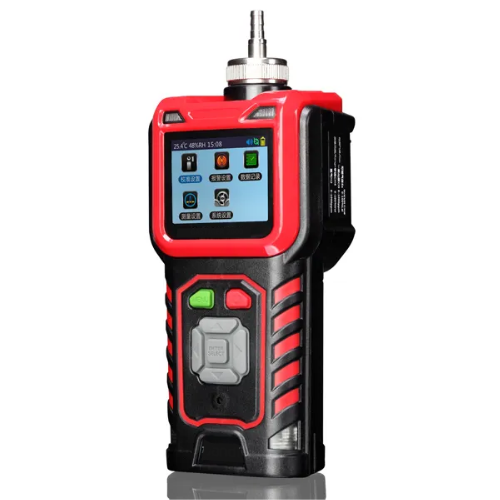
Enviro Testers 4 in 1 Multi Gas Detector
Product successfully added to the Quote List