
Specialty Gas Monitors
Specialty gas monitors are engineered instruments designed to detect less common, highly reactive, or process-specific gases where generic detectors are not reliable enough. These systems support safety decisions, containment verification, and troubleshooting in facilities that use specialty cylinders, advanced manufacturing chemistries, or tightly controlled processes. Typical solutions include fixed-point detectors for gas cabinets and tool enclosures, portable instruments for maintenance walkdowns and incident response, and sampling-based analyzers where direct sensor placement is limited by heat, humidity, or access constraints. Sensing methods vary by target gas and may include electrochemical cells for ppm-level alarms, optical absorption for improved selectivity, photoionization detection for VOC screening with controlled interpretation, or analytical techniques when traceable measurement is required. Properly specified monitoring helps teams validate engineering controls and maintain defensible exposure documentation.
Specialty gas monitors are engineered instruments designed to detect less common, highly reactive, or process-specific gases where generic detectors are not reliable enough. These systems support safety decisions, containment verification, and troubleshooting in facilities that use specialty cylinders, advanced manufacturing chemistries, or tightly controlled processes. Typical solutions include fixed-point detectors for gas cabinets and tool enclosures, portable instruments for maintenance walkdowns and incident response, and sampling-based analyzers where direct sensor placement is limited by heat, humidity, or access constraints. Sensing methods vary by target gas and may include electrochemical cells for ppm-level alarms, optical absorption for improved selectivity, photoionization detection for VOC screening with controlled interpretation, or analytical techniques when traceable measurement is required. Properly specified monitoring helps teams validate engineering controls and maintain defensible exposure documentation.
Enviro Testers has quickly established itself as a trusted leader in delivering advanced instrumentation for air, soil, and water measurement programs. With a growing B2B presence across North America, we lead in technology innovation, product reliability, and customer-focused support. Through research, continuous product development, a strict quality assurance process, and expert guidance, we help businesses streamline operations and unlock the full potential of testing and measurement solutions.
Configuration driven by gas chemistry, not generic templates
Target gas definition and method selection
Specialty monitoring begins with defining the gas list, expected concentration ranges, and co-gases. Sensor selection and sampling materials must match chemistry, especially for corrosive and reactive species.
Measurement range, resolution, and response time
High-hazard specialty gases often require low ppm sensitivity plus rapid response to short- duration leaks during cylinder changeouts or regulator failures.
Cross-sensitivity and interference controls
Many specialty gas environments include solvents, oxidizers, and reactive byproducts. Engineering teams evaluate interference tables and confirm performance under representative site conditions.
Integration options for interlocks, ventilation, and OT architectures
Outputs and communications
Specialty gas monitors commonly integrate through:
- 4 to 20 mA outputs for PLC inputs and historian trending
- Relay outputs for alarms, exhaust fan enable, and permissive interlocks
- Modbus RTU/TCP for centralized dashboards and multi-point networks
- Ethernet gateways for SCADA and segmented OT environments
Alarm logic aligned to gas cabinet and tool safety workflows
Controllers often support:
- Multi-stage alarms for advisory and high-severity response
- Latching high alarms requiring acknowledgement and corrective action
- Exhaust permissive logic tied to sustained safe readings
- Automatic shutoff or valve closure interlocks (site-dependent)
- Fault supervision with defined fail-safe behavior for outputs
Event logging and traceability
Time-stamped alarm events, fault states, and maintenance actions support incident reconstruction and compliance documentation.
Sampling and materials engineering for harsh or reactive gases
Tubing and wetted materials selection
Reactive gases can adsorb to surfaces or corrode materials, biasing readings or degrading equipment. Selection of tubing type, filters, and fittings is part of the monitoring design.
Transport delay and sample integrity
Sampling introduces time delay and potential loss of analyte. Engineers validate tubing length, flow rate, and condensation control to preserve response time and measurement fidelity.
Moisture and aerosol management
Humid processes and wet scrubber zones can produce condensation and aerosols. Sampling systems may require moisture control strategies appropriate to the gas chemistry.
Calibration, verification, and lifecycle controls
Bump testing and calibration interval definition
Specialty gases often require tighter discipline. Maintenance plans define bump test frequency and calibration intervals based on criticality, sensor type, and exposure severity.
Calibration gas management and traceability
Certified gas mixtures, correct regulators, and documented procedures support defensible records. Some specialty gases require specific handling, compatible materials, and trained technicians.
Diagnostics and health indicators
Useful features include drift tracking, end-of-life flags, blocked inlet warnings, sampling flow faults, and controller self-check routines.
Industrial Applications for Specialty Gas Monitors
- Semiconductor gas cabinets monitor specialty toxics to trigger exhaust interlocks and protect technicians during cylinder changeouts.
- Advanced manufacturing tool enclosures monitor reactive gases to verify containment and reduce exposure during maintenance events.
- Chemical R&D labs monitor specialty gases to validate hood capture and support safe work practices during experiments.
- Pharmaceutical facilities monitor sterilant and reactive gases to confirm room clearance before re-entry and document exposure controls.
- Battery and materials plants monitor process-specific gases to troubleshoot off- gassing and verify ventilation performance during production changes.
- Aerospace test cells monitor specialty gas feeds to detect leaks and support safe purge sequences before ignition testing.
- Water treatment sites monitor specialized oxidants to verify destruct unit operation and protect operators during service tasks.
- Pulp and paper operations monitor reduced sulfur compounds to support odor control and protect workers during process upsets.
- Industrial hygiene teams use portable monitors to investigate complaints and validate corrective actions after engineering changes.
- Gas blending facilities monitor specialty cylinder manifolds to detect regulator leaks and reduce exposure during handling operations.
- Emergency response teams use portable instruments to identify unknown atmospheres and establish hazard boundaries quickly.
- System integrators deploy multi-point monitoring to centralize alarms and trend specialty gas levels across distributed enclosures.
- OSHA 29 CFR 146 Permit-Required Confined Spaces
- OSHA 29 CFR 1000 Air Contaminants
- OSHA 29 CFR 1200 Hazard Communication
- OSHA 29 CFR 147 Control of Hazardous Energy (Lockout/Tagout)
- OSHA 29 CFR 119 Process Safety Management (PSM) (site-dependent)
- ANSI/ASSP 1 Confined Spaces
- NFPA 55 Compressed Gases and Cryogenic Fluids Code
- NFPA 70 National Electrical Code (NEC)
- NFPA 72 National Fire Alarm and Signaling Code
- SEMI standards applicable to gas delivery and safety (site-dependent)
- CGA guidance for compressed gas cylinder handling (program-dependent)
- UL certifications applicable to gas detection equipment (model-dependent)
- CSA certifications applicable to gas detection equipment (model-dependent)
- Canadian Electrical Code requirements for special or hazardous locations (site- dependent)
- WHMIS requirements for hazardous products in Canada
- CCOHS exposure references and confined-space guidance (program-dependent)
Provincial OHS regulations in Canada (jurisdiction-dependent)
Specialty monitoring engineered around chemistry, materials, and measurement risk
Specialty gas monitoring fails when the sensing method ignores chemistry and materials compatibility. Enviro Testers supports engineering-led selection of sensor technology, sampling design, and wetted materials so readings remain credible in reactive, corrosive, or mixed-gas environments.
Higher confidence through disciplined verification and fault supervision
Specialty gases often have low exposure thresholds and higher consequence of missed detections. Practical differentiators include:
- Monitoring configurations that preserve low ppm resolution and capture short- duration leak events
- Sampling designs validated for transport delay and analyte loss risks
- Fault supervision that maps sensor failures to defined fail-safe output behavior
- Event logs that support investigations and controlled restart decisions
Integration-ready outputs for gas cabinets, ventilation, and interlocks
Specialty gas monitoring often drives exhaust systems and safety interlocks rather than simple alarms. Enviro Testers supports integration needs through:
- Documented 4 to 20 mA scaling with defined fault current conventions
- Relay outputs for alarm annunciation, exhaust enable, and permissive interlocks
- Modbus connectivity for centralized dashboards and historian retention
- Controller logic suited to enclosure monitoring workflows and escalation procedures
Maintainability that fits high-uptime manufacturing environments
Production facilities often have short maintenance windows and strict change control. Engineering-oriented maintainability includes:
- Service-friendly mounting and accessible calibration interfaces
- Planned spares strategies aligned to sensor consumable life and criticality ranking
- Documentation bundles suitable for system integrators, MOC packages, and audits
- Guidance on calibration gas handling and compatible materials to reduce service errors
Procurement-friendly standardization without sacrificing gas-specific fit
Enviro Testers helps organizations standardize on core monitoring platforms and documentation while tailoring sensor types, ranges, and sampling materials to each specialty gas profile and operating environment.
Specialty gas monitoring programs often require help defining the target gas list, selecting sensing methods and materials, integrating alarms and interlocks into PLC or facility systems, and building verification workflows that remain defensible during audits and incident review. Connect with Enviro Testers through our Contact Us page to request product information, technical consultation, procurement guidance, system integration support, or assistance developing calibration and maintenance procedures for your specialty gas monitoring deployment.
Showing 17–32 of 83 results
-
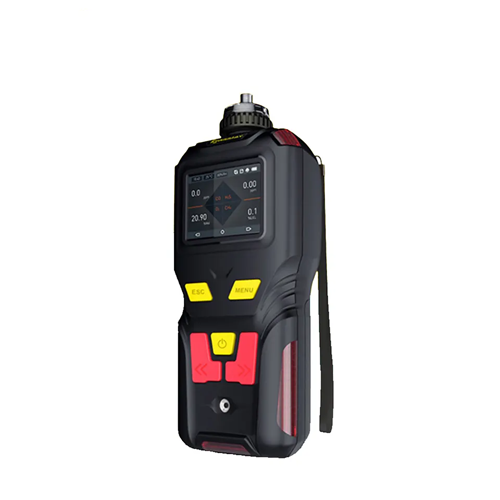
Enviro Testers High Precision Portable Multi Gas Detector
Product successfully added to the Quote List
-
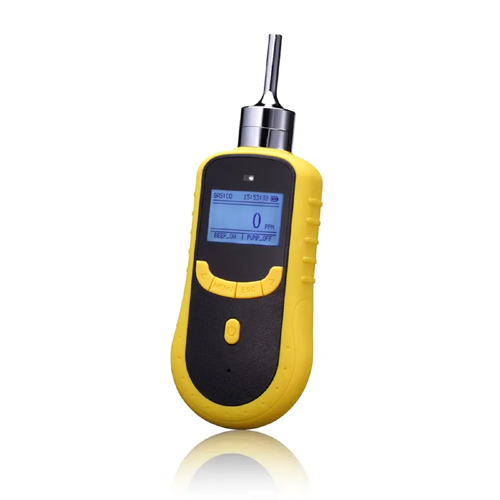
Enviro Testers IPG Gas Detector
Product successfully added to the Quote List
-
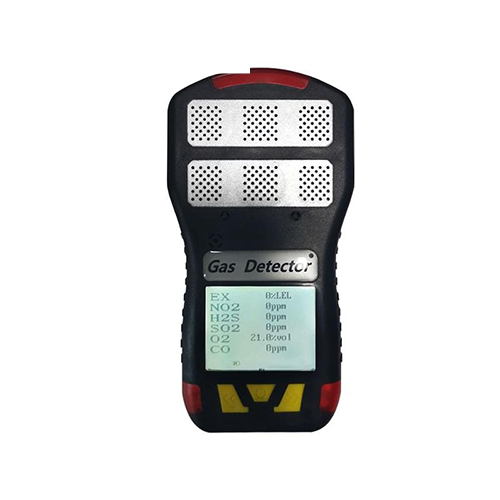
Enviro Testers Manufacturer Price Portable Multi Gas Detector
Product successfully added to the Quote List
-

Enviro Testers Multi Combustible Gas Detector
Product successfully added to the Quote List
-
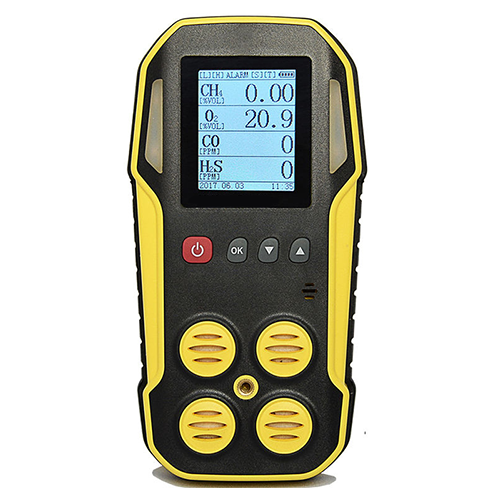
Enviro Testers Multi Gas Analyser
Product successfully added to the Quote List
-
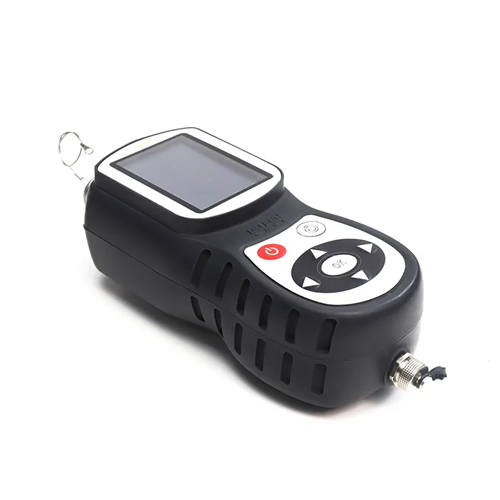
Enviro Testers Multi Gas Detector
Product successfully added to the Quote List
-

Enviro Testers Multi Gas Detector
Product successfully added to the Quote List
-
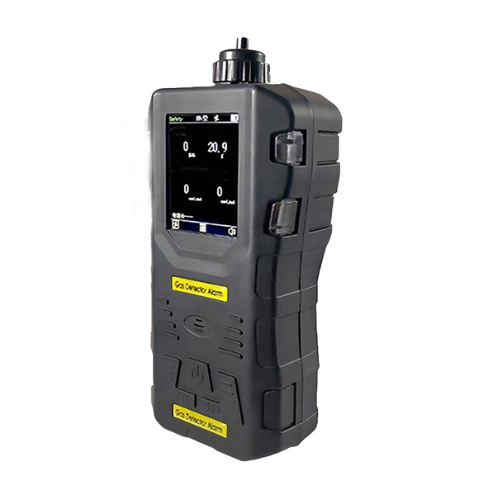
Enviro Testers Multi Gas Detector 4-In-1 Gas Analyzer – Ingress Protection IP67
Product successfully added to the Quote List
-

Enviro Testers Multi Gas Leak Detector For Coal Mines Meter
Product successfully added to the Quote List
-
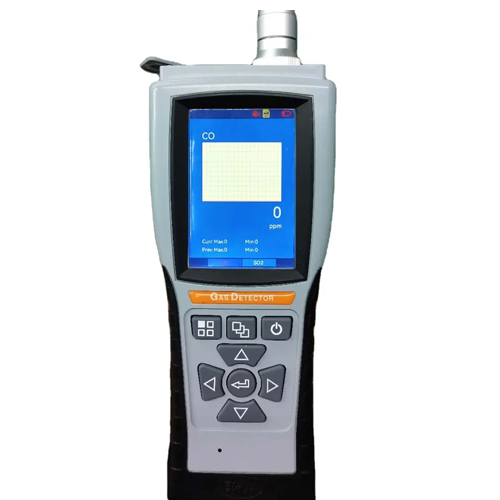
Enviro Testers Portable Gas Detector
Product successfully added to the Quote List
-
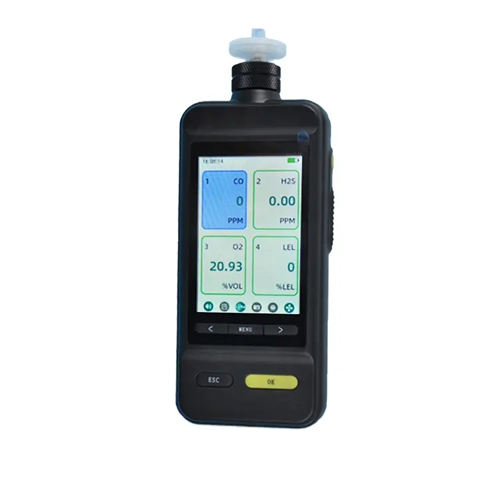
Enviro Testers Portable Gas Detector
Product successfully added to the Quote List
-
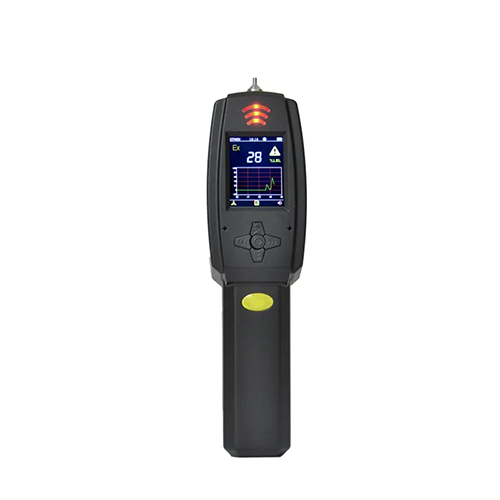
Enviro Testers Portable Gas Detector
Product successfully added to the Quote List
-
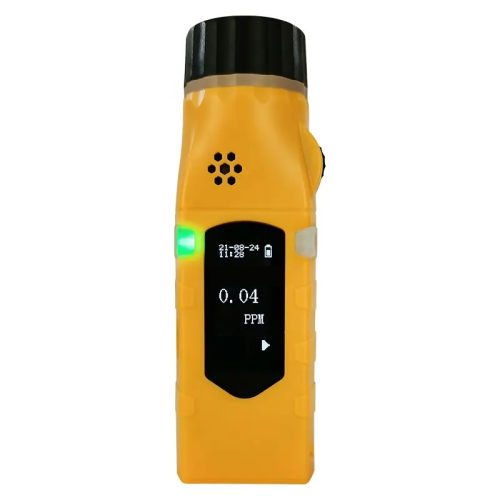
Enviro Testers Portable Gas Leak Detector
Product successfully added to the Quote List
-
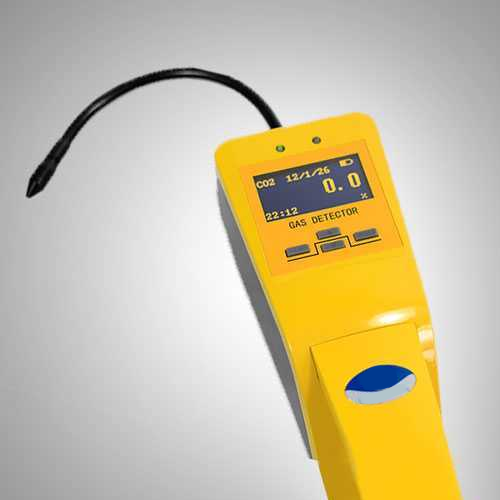
Enviro Testers Portable Gas Leak Detector
Product successfully added to the Quote List
-
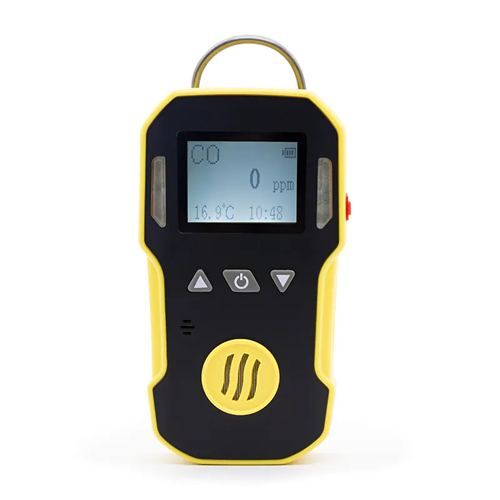
Enviro Testers Portable Handheld Gas Detector
Product successfully added to the Quote List
-
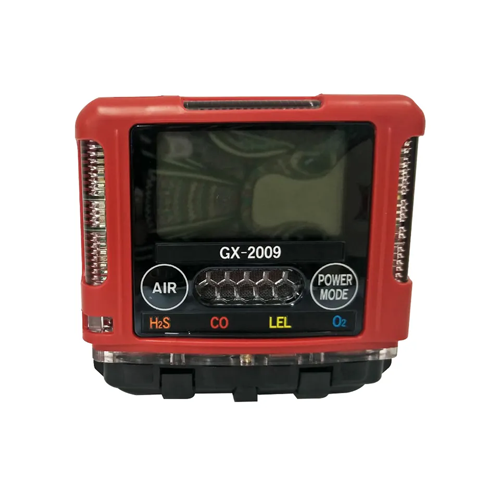
Enviro Testers Portable Handheld Single Gas Detector
Product successfully added to the Quote List