
Hardware Products
Reliable environmental measurement depends on precision-engineered instruments that can capture, process, and transmit data across air, water, and soil domains. Environmental Monitoring Systems in this space include sensing devices, analyzers, detectors, and field-ready instruments designed to support continuous monitoring, compliance verification, and operational decision-making.
These systems are built to function across diverse environments such as industrial plants, municipal infrastructure, and field deployments where accuracy, durability, and interoperability are critical. Integrated measurement platforms combine sensor technologies with embedded electronics to support real-time data acquisition and validation.
Instrumentation in this category plays a central role in distributed environmental intelligence systems, enabling organizations to monitor pollutants, assess environmental impact, and maintain regulatory compliance. From portable field instruments to fixed industrial analyzers, hardware components form the foundation of scalable environmental monitoring architectures.
- Continuous measurement of environmental parameters across air, water, and soil matrices
- High-resolution sensing with calibrated signal output for accurate data acquisition
- Integration with distributed monitoring architectures and remote data systems
- Support for both stationary and portable deployment models across industrial sites
- Multi-parameter sensing enabling simultaneous measurement of chemical and physical properties
- Data logging with timestamp synchronization for audit and compliance tracking
- Ruggedized construction for operation in high humidity, temperature, and corrosive environments
- Compatibility with industrial communication protocols for system integration
- On-device diagnostics to ensure measurement reliability and sensor health monitoring
- Configurable measurement ranges to accommodate regulatory and process requirements
- Measurement range and detection limits aligned with environmental standards
- Sensor type including electrochemical, optical, infrared, or ion-selective technologies
- Accuracy, repeatability, and response time under varying environmental conditions
- Calibration methodology and frequency requirements
- Environmental protection ratings such as IP65, IP67, or higher
- Operating temperature and humidity tolerances for field deployment
- Power requirements including battery life and external power compatibility
- Communication interfaces such as Modbus, RS485, Ethernet, or wireless protocols
- Data storage capacity and integration with external logging systems
- Maintenance requirements including sensor replacement intervals and service accessibility
Air Quality Instruments
Air quality instruments measure gaseous pollutants and particulate matter across industrial and urban environments. These systems utilize sensing technologies such as non-dispersive infrared, electrochemical detection, and laser scattering methods.
Applications include ambient air monitoring, indoor air assessment, and emission tracking. Instruments are designed for both fixed installations and portable use, supporting continuous monitoring or periodic inspections. Data output supports environmental compliance reporting and health risk assessments.
System configurations often include integrated sampling mechanisms, temperature compensation, and automated calibration features to maintain measurement integrity.
Explore Air Quality Instruments
Field Accessories
Field accessories support deployment, operation, and maintenance of environmental measurement systems. These include sampling probes, enclosures, mounting systems, and protective housings designed for harsh environments.
Accessories enhance measurement accuracy by ensuring proper sensor placement and environmental isolation. Power modules, cables, and communication adapters enable seamless integration into monitoring networks.
Field-ready kits are structured for mobility, allowing technicians to perform rapid assessments while maintaining data consistency across measurement campaigns.
Calibration Devices
Calibration devices ensure measurement accuracy through reference standards and controlled testing environments. These systems simulate known concentrations of gases or chemical parameters to validate sensor performance.
Calibration equipment supports both laboratory and field calibration workflows. Automated calibration routines reduce human error and improve repeatability.
Periodic calibration is essential for maintaining compliance with regulatory standards and ensuring long-term reliability of environmental measurement systems.
Environmental Chemistry Tools
Environmental chemistry tools analyze chemical properties such as pH, dissolved oxygen, conductivity, and ion concentration. These instruments are critical for water and soil analysis in industrial, agricultural, and municipal applications.
Measurement techniques include potentiometric sensing, spectrophotometry, and titration-based analysis. Devices are available in portable and laboratory configurations.
These tools support environmental impact assessments, process optimization, and contamination detection through precise chemical characterization.
Explore Environmental Chemistry Tools
Environmental IoT Sensors
Environmental IoT sensors enable distributed monitoring by integrating sensing elements with communication modules. These devices transmit real-time data to centralized platforms for analysis and visualization.
Sensors are designed for low power consumption and long-term deployment in remote locations. Wireless connectivity options include cellular, LoRa, and Wi-Fi.
Use cases include smart city monitoring, industrial emissions tracking, and agricultural environmental management. Data integration supports predictive analysis and operational decision-making.
Explore Environmental IoT Sensors
Surface & Material Inspectors
Surface and material inspectors evaluate contamination, corrosion, and environmental degradation on physical assets. These instruments use techniques such as ultrasonic testing, optical inspection, and surface profiling.
Applications include infrastructure monitoring, industrial asset management, and environmental exposure assessment.
Inspection data helps identify potential risks and supports preventive maintenance strategies across industrial environments.
Explore Surface & Material Inspectors
Gas Detection Equipment
Gas detection equipment monitors hazardous gases and volatile compounds in industrial and confined environments. Detection technologies include catalytic sensors, infrared absorption, and electrochemical sensing.
Devices are configured for fixed or portable use, supporting worker safety and regulatory compliance.
Alarm systems and real-time monitoring capabilities enable rapid response to hazardous conditions, reducing operational risks.
Explore Gas Detection Equipment
Soil Testing Instruments
Soil testing instruments measure parameters such as moisture content, nutrient levels, pH, and contamination indicators. These tools support agricultural productivity and environmental assessment.
Measurement methods include electrochemical sensing and dielectric analysis. Portable instruments enable field-based analysis with immediate results.
Data supports soil health evaluation, irrigation planning, and contamination monitoring.
Explore Soil Testing Instruments
Flow & Pressure Meters
Flow and pressure meters monitor fluid dynamics within environmental and industrial systems. Measurement technologies include differential pressure, ultrasonic, and electromagnetic sensing.
Applications include water distribution monitoring, industrial process control, and environmental discharge measurement.
Accurate flow and pressure data are essential for system efficiency and regulatory reporting.
Explore Flow & Pressure Meters
Water Quality Instruments
Water quality instruments analyze physical and chemical parameters such as turbidity, pH, dissolved oxygen, and conductivity. These systems are used across municipal, industrial, and environmental applications.
Sensors are designed for continuous monitoring or periodic sampling. Data supports compliance with environmental discharge standards and drinking water regulations.
Integration with monitoring networks enables real-time visibility into water system performance.
- Monitoring industrial emissions to ensure compliance with air quality regulations across manufacturing and energy sectors
- Assessing water discharge quality in wastewater treatment plants for regulatory reporting and environmental protection
- Evaluating soil contamination in construction and remediation projects to support environmental impact assessments
- Supporting workplace safety through continuous gas detection in confined industrial environments
- Enabling smart city environmental monitoring networks for air pollution tracking and public health analysis
- Monitoring agricultural soil conditions to optimize irrigation, fertilization, and crop yield
- Tracking environmental conditions in mining operations to manage dust, gas, and water contamination risks
- Measuring environmental parameters in oil and gas facilities to maintain operational safety and compliance
- Supporting environmental audits through portable measurement systems for on-site inspections
- Monitoring environmental parameters in power generation facilities to control emissions and resource usage
- EPA (Environmental Protection Agency) Standards
- NIOSH (National Institute for Occupational Safety and Health)
- OSHA (Occupational Safety and Health Administration)
- ASTM International Standards
- ANSI (American National Standards Institute)
- CSA (Canadian Standards Association)
- Environment and Climate Change Canada Regulations
- UL Certification
- FCC Compliance
| Instrument Type | Measurement Scope | Deployment Mode | Data Output Type | Typical Use Case |
| Air Quality Instruments | Gases, particulates | Fixed and portable | Continuous and sampled | Ambient monitoring, emission tracking |
| Water Quality Instruments | Chemical, physical | Fixed and portable | Continuous and batch | Water treatment, discharge monitoring |
| Soil Testing Instruments | Nutrients, moisture | Portable | On-demand | Agriculture, land assessment |
| Gas Detection Equipment | Hazardous gases | Fixed and portable | Real-time | Industrial safety monitoring |
| IoT Environmental Sensors | Multi-parameter | Distributed | Real-time streaming | Smart monitoring networks |
| Flow & Pressure Meters | Fluid dynamics | Fixed | Continuous | Process control, environmental discharge |
Environmental measurement instruments are deployed across varied operating conditions including outdoor installations, confined industrial spaces, and mobile field environments. Equipment selection depends on environmental exposure, mobility requirements, and integration with existing infrastructure.
Power configurations range from battery-operated portable devices to permanently installed systems connected to industrial power supplies. Remote deployments may require solar or hybrid power systems.
Data handling approaches vary from local data logging to real-time transmission through networked systems. Integration with centralized monitoring platforms enables data aggregation, analysis, and reporting.
Installation planning must account for sensor placement, environmental interference, and accessibility for maintenance and calibration.
- High measurement accuracy supporting regulatory compliance and operational decision-making
- Modular system design enabling scalable deployment across multiple locations
- Compatibility with distributed monitoring architectures and industrial communication systems
- Robust construction suitable for harsh environmental conditions
- Support for multi-parameter measurement reducing system complexity
- Integration with data platforms for real-time monitoring and analysis
- Long operational lifespan with predictable maintenance cycles
What types of sensors are commonly used in environmental hardware instruments?
Electrochemical, optical, infrared, and ion-selective sensors are widely used depending on the parameter being measured.
How often should environmental instruments be calibrated?
Calibration frequency depends on usage conditions and regulatory requirements, typically ranging from monthly to quarterly.
Can these instruments operate in extreme environmental conditions?
Most industrial-grade instruments are designed with protective ratings to operate under high temperature, humidity, and dust exposure.
What communication protocols are supported?
Common protocols include Modbus, RS485, Ethernet, and wireless communication standards.
Are portable instruments as accurate as fixed systems?
Portable devices offer high accuracy for field measurements, though fixed systems provide continuous monitoring capabilities.
How is data from these instruments typically managed?
Data can be stored locally or transmitted to centralized systems for analysis, reporting, and compliance documentation.
What industries rely heavily on environmental measurement hardware?
Manufacturing, energy, water treatment, agriculture, and environmental consulting sectors depend on these systems.
Organizations evaluating environmental measurement systems often require technical validation, configuration guidance, and integration support. Our team works closely with engineers, procurement teams, and system integrators to ensure the right instrumentation strategy is implemented for each use case.
Reach out through our Contact Us page to discuss product selection, request technical specifications, or explore deployment strategies tailored to your operational environment.
Showing 49–64 of 8484 results
-
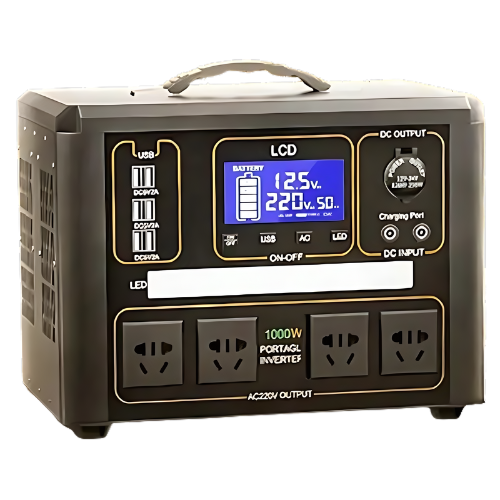
300 W/500 W/1000 W/2000 W Portable Power Station With LCD Screen – Enviro Testers
Product successfully added to the Quote List
-

300 W/600 W High Efficiency Quiet Operation Portable Power Stations With Multi-Mode Charging- Enviro Testers
Product successfully added to the Quote List
-
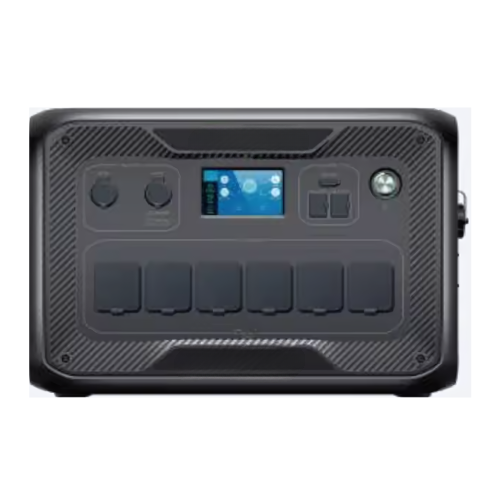
3000 W Portable Solar Power Station 20 KWh Battery With Type C – Enviro Testers
Product successfully added to the Quote List
-
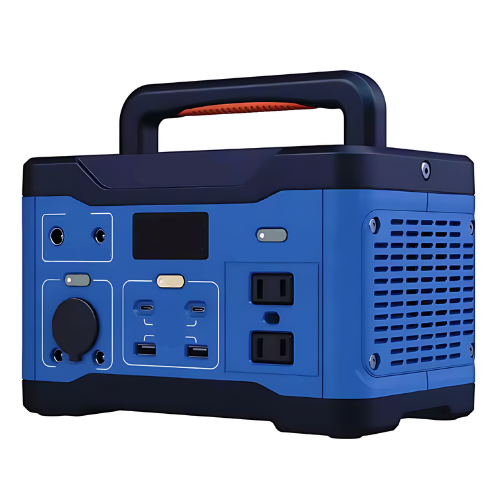
300W/269Wh AC/DC Outlet Ups Power Station Power Generator Solar Energy System With Overload Protection – Enviro Testers
Product successfully added to the Quote List
-

300W/500W/1000W Solar Power Generator Portable Power Station With Built – In Solar Charger – Enviro Testers
Product successfully added to the Quote List
-

372 W Solar Charging Power Station With Pure Sine Wave Output – Enviro Testers
Product successfully added to the Quote List
-
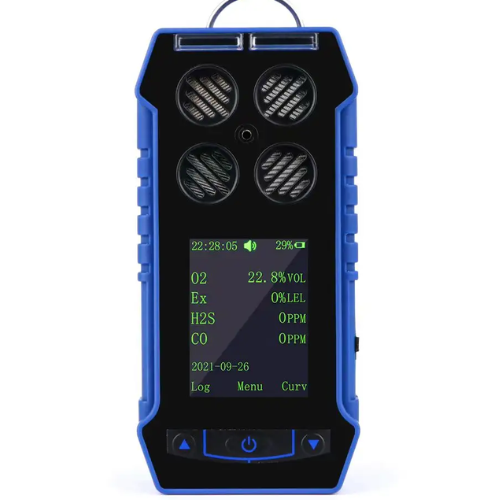
4 In 1 Gas Detector Analyzer with Specifically Methane-Enviro Testers
Product successfully added to the Quote List
-
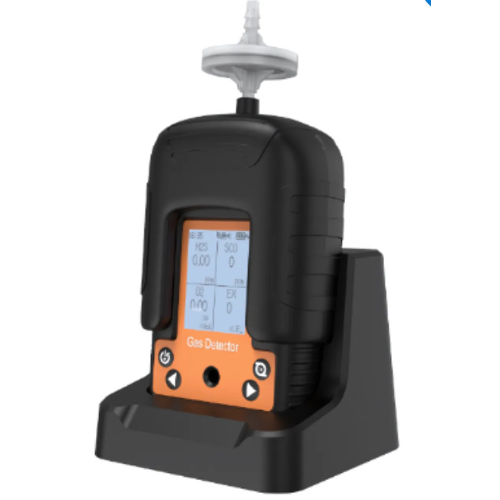
4-in-1 Gas Detector w/ Vibration, Light Alarms, Pump – Enviro Testers
Product successfully added to the Quote List
-

4-in-1 pH, H₂, ORP & Temperature Water Quality Tester- Enviro Testers
Product successfully added to the Quote List
-
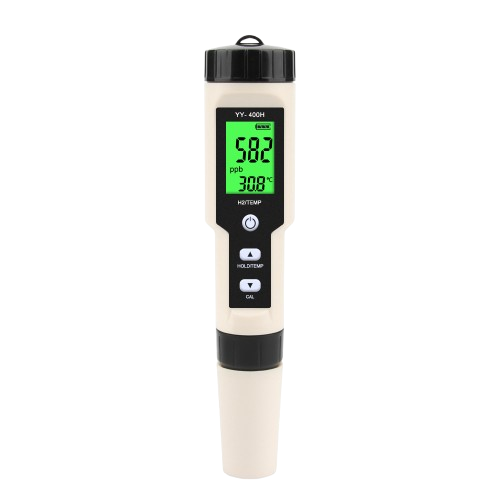
4-in-1 Water Quality Pen (pH, ORP, Hydrogen, Temp)- Enviro Testers
Product successfully added to the Quote List
-
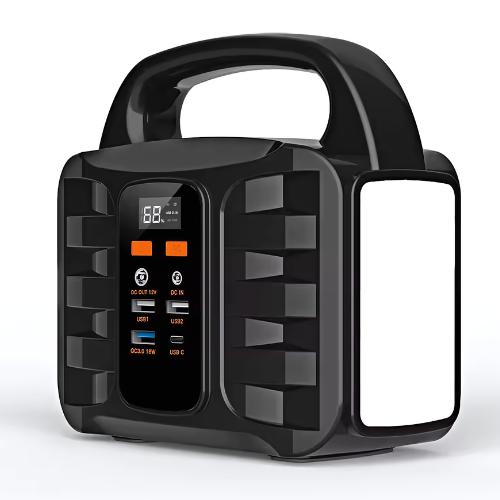
42000 mAh Portable Power Station With Type C – Enviro Testers
Product successfully added to the Quote List
-

5 KW Solar Energy Generator Portable Power Station With 3 Modes Of LED Light – Enviro Testers
Product successfully added to the Quote List
-

5-In-1 Multifunctional Digital Anemometer – Enviro Testers
Product successfully added to the Quote List
-
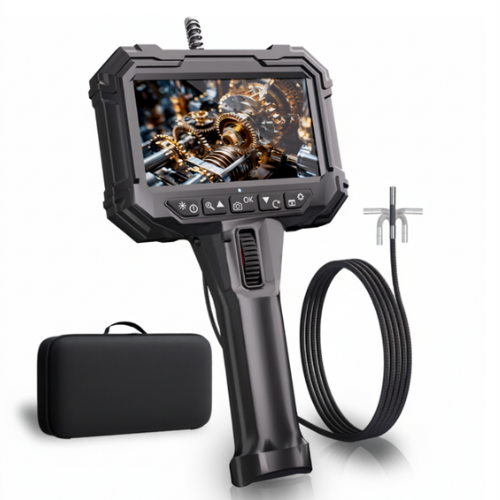
5.5 MM 2 Way Articulating Borescope – Enviro Testers
Product successfully added to the Quote List
-
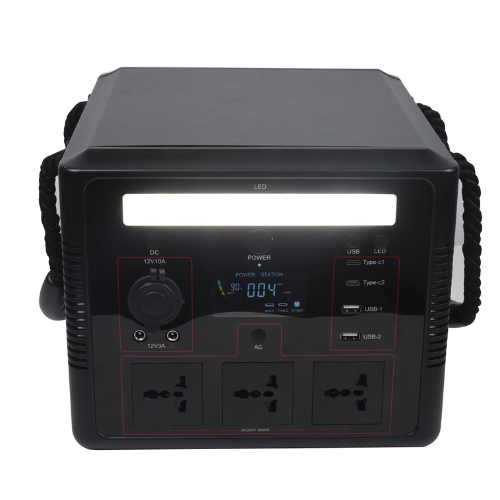
500 W Load Power Station With High Efficiency – Enviro Testers
Product successfully added to the Quote List
-
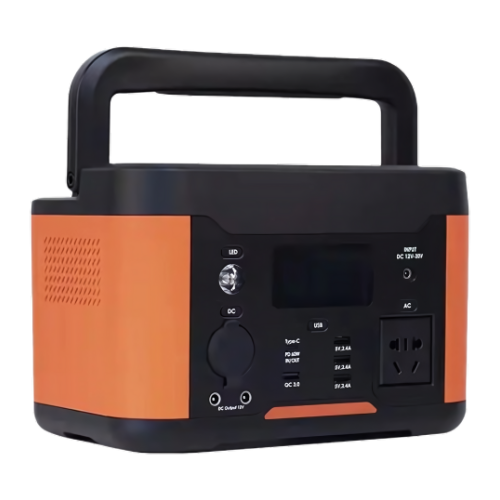
500 W Outdoor Charging Portable Power Station With Remote Control – Enviro Testers
Product successfully added to the Quote List