
Soil Moisture Meters
Soil Moisture Meters are specialized instruments engineered to quantify volumetric water content, soil water potential, and related parameters critical to environmental monitoring and land management. These devices support integrated air, soil, and water assessment programs by delivering reliable subsurface moisture data for agriculture, construction, environmental
remediation, and research.
Modern soil water content meters utilize dielectric permittivity, time domain reflectometry, frequency domain reflectometry, or tensiometric methods to provide accurate readings across varying soil textures and salinity levels.
Advanced models incorporate temperature compensation, salinity correction algorithms, and digital data logging to ensure repeatable measurements in demanding field conditions.
Organizations implementing comprehensive environmental testing frameworks rely on precise soil hydration data to manage irrigation, prevent structural instability, and document compliance with environmental protection mandates.
Engineering Classification of Soil Water Content Measurement Instruments Soil Moisture Meters are analytical devices designed to measure the water
content or soil matric potential within a defined soil volume. These instruments are part of integrated environmental monitoring systems that evaluate soil conditions as part of broader air, water, and land assessment strategies.
Enviro Testers provides multiple instrument types, each designed for specific operational and environmental contexts:
Capacitance and Frequency Domain Soil Moisture Sensors
These soil water probes measure dielectric permittivity changes caused by varying water content. As water has a significantly higher dielectric constant than dry soil, the instrument converts frequency shifts into volumetric water content values.
Typical characteristics include:
- Rapid measurement response suitable for irrigation control systems
- Minimal soil disturbance when installed as in situ probes
- Digital outputs compatible with telemetry and SCADA systems
Time Domain Reflectometry Soil Moisture Instruments
TDR-based soil moisture analyzers transmit an electromagnetic pulse along waveguides inserted into the soil. The reflected signal provides precise measurements of volumetric water content and can be calibrated for soil type.
Operational advantages include:
- High accuracy across a broad soil texture range
- Reduced sensitivity to salinity when properly configured
- Suitability for research-grade hydrological studies
Tensiometers and Soil Water Potential Meters
Tensiometric soil moisture meters measure soil matric potential rather than volumetric water content. These instruments are essential for root zone management and plant stress assessment.
Key attributes include:
- Direct measurement of soil suction
- Effective for irrigation scheduling
- Reliable performance in low salinity soils
Portable and Handheld Soil Moisture Testers
Handheld soil humidity meters provide rapid field verification. These units are widely used for spot-checking during environmental site assessments and agricultural inspections.
Capabilities typically include:
- Digital display with instant readings
- Integrated temperature measurement
- Replaceable probe assemblies for field maintenance
Enviro Testers aligns these instrument types within structured environmental diagnostics programs, supporting professionals who require consistent and defensible soil moisture data.
Integrated Soil Hydration Monitoring within Environmental Testing Ecosystems
Modern soil moisture measurement systems must operate as part of a larger environmental instrumentation framework. Our portfolio is engineered to integrate with multi-parameter environmental analyzers that support soil, water, and atmospheric monitoring in coordinated deployments.
Advanced functional capabilities include:
- Multi-depth profiling using stacked probe configurations
- Simultaneous measurement of soil temperature and electrical conductivity
- Automatic salinity compensation algorithms
- Configurable sampling intervals for long-term monitoring projects
- Onboard data logging with timestamp synchronization
- Modbus, SDI-12, and analog output support for system integration
- IP-rated enclosures for outdoor and subsurface installation
- Calibration presets for sandy, loamy, and clay soil types
Configuration flexibility allows engineers and system integrators to deploy soil moisture sensors in agricultural fields, construction sites, mining operations, or environmental remediation zones without redesigning core infrastructure.
Wireless telemetry options enable remote soil condition monitoring across large land areas. This capability is particularly relevant for precision agriculture, environmental compliance tracking, and infrastructure monitoring where
physical access may be limited.
Enviro Testers has rapidly established itself as a trusted leader in delivering advanced environmental testers for air, soil, and water monitoring. With a growing B2B presence across North America, we focus on technology innovation, product reliability, and customer-focused support. Our engineering teams collaborate with procurement specialists and integrators to ensure soil moisture instrumentation aligns with operational risk management and
regulatory requirements.
Practical Use Cases Across Regulated and Operational Environments
Soil Moisture Meters are deployed in diverse sectors where soil hydration
directly affects safety, productivity, and compliance. The following applications reflect real-world scenarios encountered by engineers, environmental
consultants, and agronomic specialists:
- Precision irrigation management to optimize water usage and reduce agricultural runoff.
- Monitoring soil stability conditions in road construction and geotechnical engineering projects.
- Environmental site assessments for contamination migration risk
- Landfill cover performance monitoring to ensure moisture control
- Mining reclamation projects requiring documented soil rehabilitation
- Stormwater management planning through infiltration rate analysis and soil saturation tracking.
- Turf management for sports facilities requiring consistent subsurface moisture levels.
- Pipeline and utility corridor monitoring to reduce subsidence
- Wetland restoration projects validating hydrological performance
- Forestry management programs assessing drought stress and soil water
- Research-driven hydrology studies modeling soil-water-plant
- Regulatory soil monitoring associated with environmental impact
These applications illustrate how soil water content meters function as part of a broader environmental instrumentation strategy, supporting measurable and reportable outcomes.
Regulatory Framework Alignment for Environmental Monitoring
The following standards and regulatory frameworks are commonly referenced in projects utilizing soil moisture measurement instrumentation:
- United States Environmental Protection Agency guidelines
- ASTM International soil testing standards
- USDA Natural Resources Conservation Service technical standards
- EPA SW-846 methods where soil characterization is required
- Canadian Environmental Protection Act
- Environment and Climate Change Canada guidance documents
- Canadian Standards Association electrical safety certifications
- FCC Part 15 compliance for wireless telemetry devices
- UL certification for applicable electrical components
Project-specific requirements may vary depending on jurisdiction and
application scope. Assumptions regarding compliance should be validated with regulatory authorities and project engineers.
Performance Characteristics That Support Reliable Environmental Data
Engineers evaluating soil moisture instrumentation require clarity on measurement reliability, calibration stability, and long-term operational durability. Enviro Testers designs and sources soil hydration monitoring equipment with these priorities in focus.
Key technical advantages include:
- High measurement repeatability across varying soil densities
- Factory and field calibration support for improved accuracy
- Robust probe materials resistant to corrosion and soil chemistry effects
- Wide operating temperature range for outdoor deployments
- Shielded cabling to minimize electromagnetic interference
- Firmware upgrade capability for evolving integration standards
- Low power consumption for solar-powered field stations
- Expandable architecture compatible with multi-parameter environmental analyzers
Strict quality assurance processes support traceability and product consistency. Continuous product development allows us to refine sensor electronics,
improve enclosure durability, and enhance integration compatibility with evolving environmental monitoring platforms.
Experience working with engineering consultants and environmental laboratories has demonstrated that soil moisture measurement accuracy can
significantly impact project risk assessments. For example, incorrect volumetric water content data during a remediation project may alter decisions regarding contaminant mobility. Reliable instrumentation reduces that uncertainty.
Our expert guidance helps businesses streamline operations and unlock the full potential of testing and measurement solutions by aligning instrument
selection with actual soil conditions, environmental exposure risks, and compliance obligations.
Practical Guidance for Engineers and Procurement Teams
Successful implementation of soil moisture monitoring systems depends on
thoughtful deployment strategies. Factors that must be evaluated include:
- Soil texture variability across the monitoring site
- Installation depth relative to root zone or structural layer
- Required measurement frequency for regulatory reporting
- Data transmission infrastructure availability
- Power source selection for remote locations
- Calibration verification intervals
We recommend soil-specific calibration whenever possible, particularly in high- clay or saline environments where dielectric response may vary. Assumptions about soil homogeneity should be validated through field sampling before large-scale deployment.
Enviro Testers collaborates directly with system integrators to ensure compatibility with data acquisition platforms, remote telemetry gateways, and centralized monitoring dashboards. Our technical team supports specification reviews and assists in aligning soil moisture instrumentation with broader
environmental data management systems.
Engineering teams, procurement professionals, and environmental consultants seeking reliable Soil Moisture Meters can engage directly with our specialists for product selection guidance, technical documentation, and integration support.
If your project requires soil water content measurement as part of a comprehensive environmental testing initiative, we encourage you to connect
with Enviro Testers through our dedicated contact page at
Contact Us to discuss specifications, compliance considerations, and deployment strategies tailored to your operational requirements.
Showing 1–16 of 418 results
-
Advanced Micro-Moisture Sensor for Lubricating & Hydraulic Oil – Enviro Testers
Product successfully added to the Quote List
-
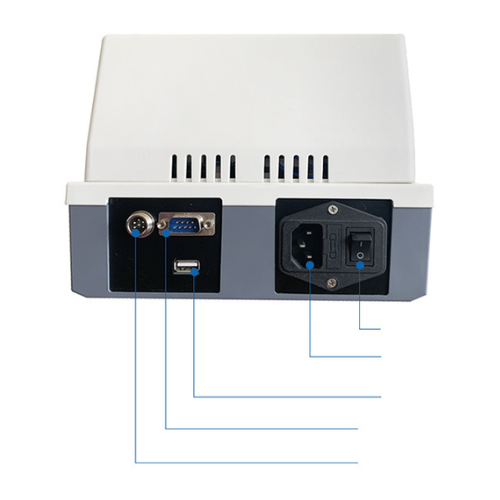
Advanced Series Halogen Moisture Analyzer with Touch screen – Enviro Testers
Product successfully added to the Quote List
-
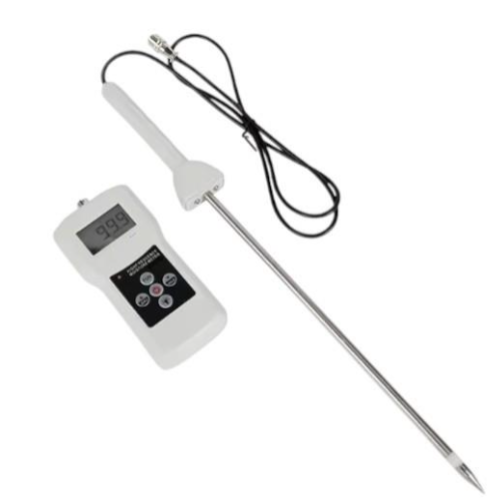
Coal Powder and Soil Capacitive Moisture Meter – Enviro Testers
Product successfully added to the Quote List
-
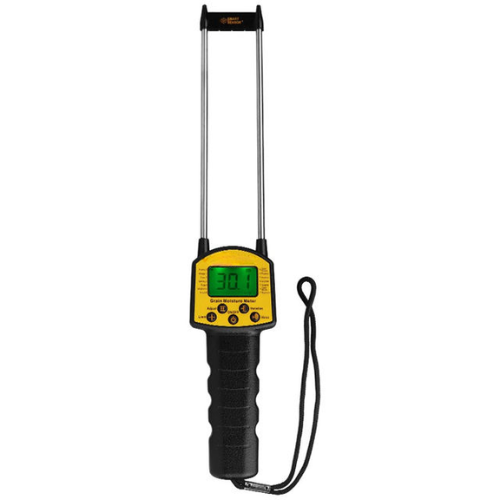
Digital Grain Moisture Meter Tester for 14 Grains with LCD Backlight – Enviro Testers
Product successfully added to the Quote List
-
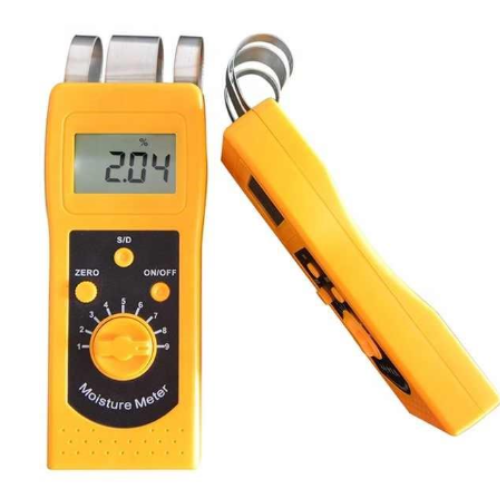
Digital Textile Moisture Meter for Cotton, Yarn, and Fabric – Enviro Testers
Product successfully added to the Quote List
-
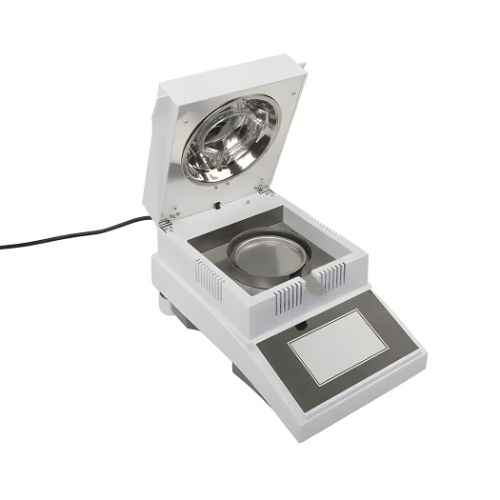
Digital Wood Moisture & Vegetable Moisture Meter.
Product successfully added to the Quote List
-

Enviro Testers Digital Moisture Balance Wetness Tester Analyzer
Product successfully added to the Quote List
-

Enviro Testers Digital Sawdust Moisture Analyzer
Product successfully added to the Quote List
-
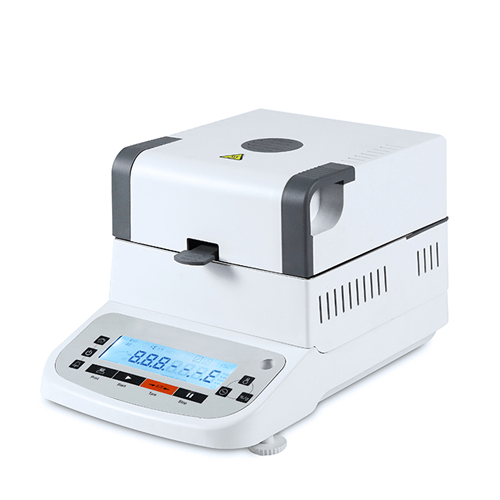
Enviro Testers Precise Concrete Moisture Meter
Product successfully added to the Quote List
-

Enviro Testers 3D Facial Moisture Analyzer Data Logger
Product successfully added to the Quote List
-
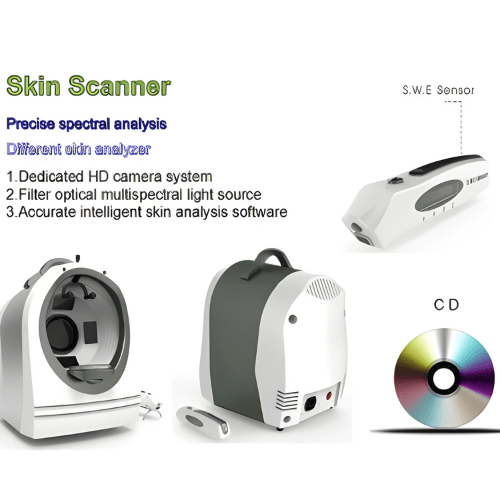
Enviro Testers 3D Skin Moisture Analyzer Data Logger
Product successfully added to the Quote List
-

Enviro Testers 3D Small Face Moisture Analyzer Data Logger
Product successfully added to the Quote List
-

Enviro Testers 4 In 1 Soil Moisture Meter
Product successfully added to the Quote List
-
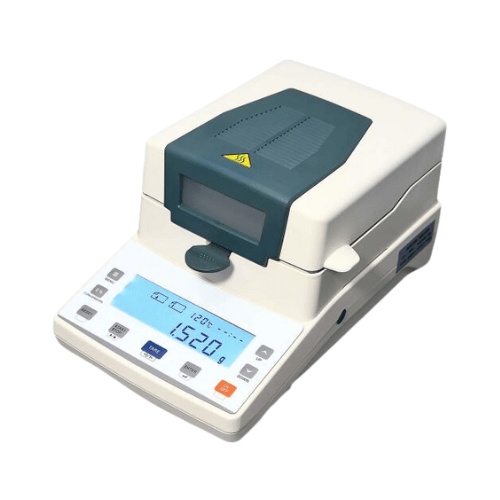
Enviro Testers Agriculture Moisture Analyzer Data Logger
Product successfully added to the Quote List
-
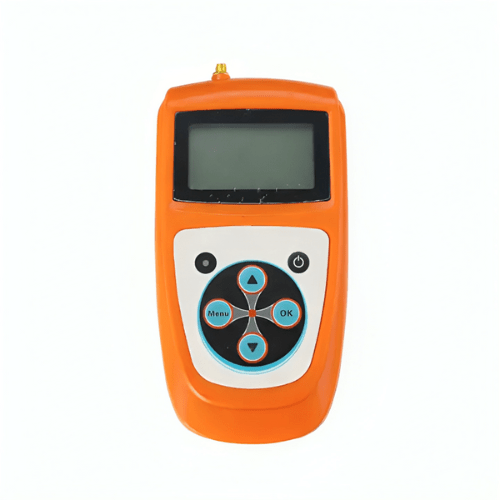
Enviro Testers Agrometeorological Instrument
Product successfully added to the Quote List
-

Enviro Testers AI Recognition Moisture Scanner Data Logger
Product successfully added to the Quote List