
Soil Nutrient Sensors
Soil Nutrient Sensors are analytical instruments engineered to measure essential macro and micronutrient concentrations directly within the soil matrix. These devices quantify parameters such as nitrogen species, phosphorus, potassium, and selected trace elements to support data-driven land management and
environmental assessment programs.
Modern soil nutrient monitoring systems rely on ion-selective
electrodes, optical spectroscopy, electrochemical sensing, or solid- state sensor arrays to generate real-time concentration data. Field- deployable nutrient probes are designed for integration into broader
environmental testing ecosystems that evaluate soil, water, and atmospheric conditions in parallel.
Accurate soil fertility measurement is critical for optimizing crop yield, minimizing nutrient runoff, reducing environmental impact, and supporting regulatory documentation. Engineers and
environmental professionals increasingly rely on digital soil nutrient analyzers to replace laboratory-only workflows with continuous,
field-based nutrient diagnostics.
Engineering Classification of Soil Nutrient Measurement Instruments
Soil Nutrient Sensors are instruments designed to detect and quantify available nutrient ions or compounds in soil through
electrochemical, optical, or spectrometric methods. These devices form part of integrated environmental assessment platforms that support comprehensive soil condition monitoring alongside air and water quality analysis.
Enviro Testers provides multiple soil nutrient measurement technologies aligned with professional field and laboratory requirements.
Ion-Selective Electrode Soil Nutrient Probes
Ion-selective electrode systems measure specific ions such as nitrate, ammonium, potassium, or calcium. Each electrode responds to ion activity within the soil solution, converting chemical potential into
electrical signals.
Core characteristics include:
- Selective detection of targeted nutrient ions
- Real-time concentration reporting
- Compatibility with portable and fixed monitoring stations
- Calibration capability using standardized reference solutions
These nutrient probes are widely used for precision agriculture and environmental compliance monitoring.
Optical and Spectroscopic Soil Nutrient Sensors
Optical nutrient analyzers use near-infrared, visible spectroscopy, or fluorescence-based detection to estimate nutrient concentrations. Algorithms interpret spectral signatures associated with organic matter and nutrient compounds.
Functional attributes include:
- Non-destructive measurement capability
- Multi-nutrient estimation from single sampling event
- Reduced chemical reagent dependence
- Integration with soil mapping software
These systems are commonly deployed in research-grade soil fertility studies and advanced agronomic programs.
Laboratory-Integrated Soil Nutrient Analyzers
Bench-top nutrient analysis instruments support higher precision testing for soil samples collected in the field. These analyzers are typically used where regulatory documentation or research validation is required.
Capabilities may include:
- High-resolution quantification of NPK levels
- Trace element detection in controlled laboratory conditions
- Automated sample processing workflows
Enviro Testers aligns each instrument type with specific operational contexts, ensuring measurement reliability within broader
environmental testing frameworks.
Integrated Soil Fertility Monitoring within Comprehensive Environmental Testing Platforms
Modern soil nutrient monitoring must function as part of a coordinated environmental testing strategy. Nutrient concentrations directly influence groundwater quality, surface runoff chemistry, and agricultural productivity.
Our soil nutrient sensors are engineered to operate within advanced environmental testers for air, soil, and water monitoring, ensuring data interoperability across platforms.
Advanced functional capabilities include:
- Multi-ion detection for nitrogen species including nitrate and ammonium
- Configurable measurement ranges based on soil fertility levels
- Temperature compensation algorithms for improved measurement stability
- Onboard digital signal processing to reduce electrical noise
- Data logging with time-stamped nutrient concentration records
- Wireless telemetry integration for remote field monitoring
- Analog and digital output protocols including Modbus and SDI- 12
- Soil-specific calibration profiles for sandy, loamy, and clay soils
- Integration with GIS mapping systems for spatial nutrient analysis
These capabilities allow system integrators and environmental engineers to deploy nutrient monitoring networks across agricultural operations, remediation sites, and research facilities.
Enviro Testers has quickly established itself as a trusted leader in delivering advanced environmental testers for air, soil, and water
monitoring. With a growing B2B presence across North America, we focus on technology innovation, product reliability, and customer- focused support. Through research, continuous product
development, and a strict quality assurance process, we support businesses seeking to streamline operations and maximize the effectiveness of soil testing and measurement solutions.
Practical Use Cases Across Agriculture, Environmental Compliance, and Research
Soil nutrient measurement instruments support operational decision- making and regulatory documentation across multiple sectors.
- Precision agriculture programs optimizing fertilizer application based on real-time soil nutrient data.
- Environmental impact assessments evaluating nutrient runoff risks near sensitive water bodies.
- Regulatory soil monitoring for agricultural compliance and nutrient management planning.
- Greenhouse cultivation systems requiring controlled nutrient availability for high-value crops.
- Mining site reclamation verifying restoration of soil fertility
- Research institutions studying soil nutrient cycling and plant uptake dynamics.
- Wastewater land application projects documenting nutrient loading rates in soils.
- Municipal biosolid management programs requiring documented soil nutrient thresholds.
- Forestry operations assessing nutrient depletion in harvested
- Infrastructure projects evaluating nutrient influence on soil microbial activity and stability.
- Irrigation districts managing nitrogen leaching mitigation
- Sustainable farming initiatives reducing excess fertilizer usage through measured soil analysis.
These use cases demonstrate how soil nutrient probes operate within integrated environmental monitoring systems, linking soil chemistry data with water and ecosystem protection strategies.
Regulatory Alignment for Soil Nutrient Monitoring Programs
The following standards and regulatory frameworks may apply depending on project scope and jurisdiction:
- United States Environmental Protection Agency nutrient management guidelines
- EPA Clean Water Act related nutrient discharge considerations
- USDA Natural Resources Conservation Service nutrient management standards
- ASTM International soil nutrient testing methods
- Canadian Environmental Protection Act
- Environment and Climate Change Canada nutrient monitoring frameworks
- Canadian Food Inspection Agency fertilizer regulations
- Canadian Standards Association electrical safety certifications
- FCC Part 15 compliance for wireless communication modules
- UL certification for applicable electrical components
Project-specific compliance obligations should be confirmed with regulatory authorities and consulting engineers.
Performance, Accuracy, and Integration Reliability
Engineering professionals evaluating soil nutrient monitoring systems prioritize analytical precision, calibration stability, and operational
resilience. Enviro Testers designs soil nutrient analyzers to meet those expectations while maintaining compatibility with integrated environmental testing infrastructures.
Technical differentiators include:
- High ion selectivity to reduce cross-sensitivity interference
- Stable reference electrode systems for extended field deployment
- Ruggedized probe housings resistant to soil chemistry corrosion
- Low drift characteristics for long-term monitoring programs
- Expandable sensor arrays for multi-nutrient measurement
- Low power consumption suitable for solar-powered stations
- Firmware update capability supporting evolving integration requirements
- Shielded signal pathways to minimize electromagnetic interference
Field experience shows that nutrient measurement inaccuracies can significantly affect fertilizer planning and environmental reporting.
For example, overestimation of nitrate concentration may reduce fertilizer input below optimal crop demand, while underestimation can increase runoff risk. Reliable instrumentation reduces these operational and compliance risks.
Our engineering teams collaborate directly with agronomists,
environmental consultants, and system integrators to validate sensor deployment strategies. Soil heterogeneity, moisture variation, and temperature fluctuation are considered when recommending calibration intervals and installation depths. Assumptions regarding soil uniformity should be verified through representative sampling before large-scale sensor deployment.
Implementation Guidance for Engineers and Procurement Teams
Successful soil nutrient monitoring depends on proper installation, calibration, and data management integration. Key considerations include:
- Soil sampling strategy alignment with sensor placement
- Required nutrient detection limits based on regulatory thresholds
- Data transmission infrastructure for remote field sites
- Power supply reliability in agricultural or reclamation zones
- Maintenance scheduling for electrode replacement or recalibration
- Integration with farm management or environmental reporting software
Enviro Testers supports system architects and procurement teams by reviewing technical specifications and ensuring compatibility with existing monitoring platforms. Our expert guidance enables organizations to implement nutrient monitoring solutions that align with operational performance targets and environmental compliance frameworks.
Technical executives, environmental engineers, and procurement
professionals seeking reliable Soil Nutrient Sensors can engage with
our team for detailed product specifications, integration support, and regulatory alignment guidance.
If your organization requires advanced soil nutrient monitoring as part of a comprehensive environmental testing strategy, connect with Enviro Testers through our dedicated contact page at Contact Us to discuss project requirements, technical documentation, and deployment planning with our specialists.
Showing 1–16 of 65 results
-
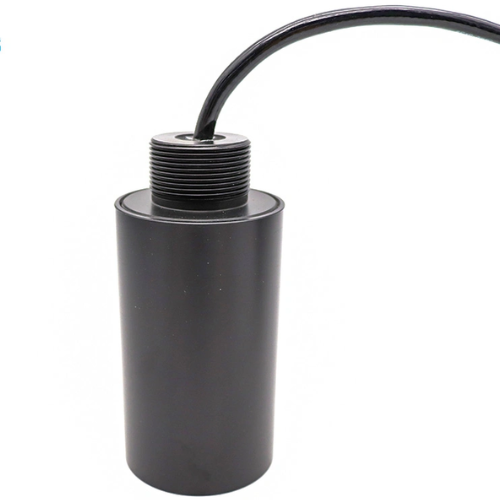
23 kHz Horizontal Directionless Cylindrical Acoustic Ultrasonic Transducer – Enviro Testers
Product successfully added to the Quote List
-

23 kHz Horizontal Directionless Cylindrical Acoustic Ultrasonic Transducer – Enviro Testers
Product successfully added to the Quote List
-
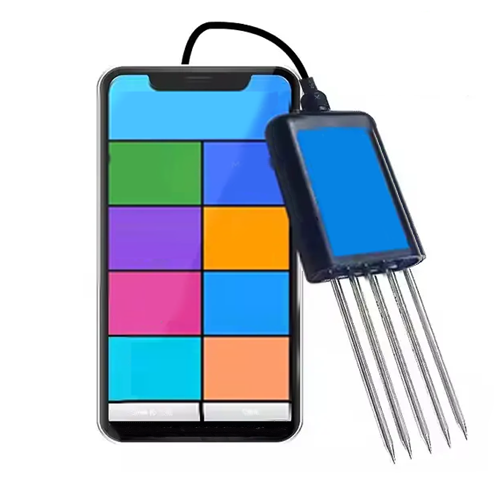
7 in 1 Soil Tester – Enviro Testers
Product successfully added to the Quote List
-

Accurate Force Sensors or Load Cell (0.1 % Full – Scale, IP66) – Enviro Testers
Product successfully added to the Quote List
-

Advanced 4 m Ultrasonic Distance Sensor (Analog or Digital Output) – Enviro Testers
Product successfully added to the Quote List
-

Advanced 4G Temp – Humidity Logger with GPS and Sensors – Enviro Testers
Product successfully added to the Quote List
-
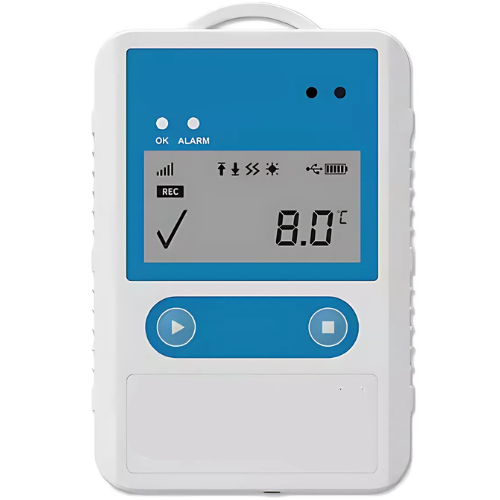
Advanced 4G Temp Humidity Logger with GPS & Sensors – Enviro Testers
Product successfully added to the Quote List
-

Advanced 4m Ultrasonic Distance Sensor Analog or Digital Output – Enviro Testers
Product successfully added to the Quote List
-

Advanced IoT Temperature and Electrical Conductivity Sensor for Soil Monitoring – Enviro Testers
Product successfully added to the Quote List
-

Advanced precision High accuracy mechanical Arm Force Measurement Sensor – Enviro Testers
Product successfully added to the Quote List
-

Advanced Precision High Accuracy Mechanical Arm Force Measurement Sensor – Enviro Testers
Product successfully added to the Quote List
-

Advanced Precision Multi-Axis Force Sensor with High Accuracy and Durability for Industrial Applications – Enviro Testers
Product successfully added to the Quote List
-

Air Temperature Humidity Sensor with Solar Radiation Shield – Enviro Testers
Product successfully added to the Quote List
-

Aqua Monitor Pro Screen PH ORP Temperature Water Quality Chemical Sensor-Enviro Testers
Product successfully added to the Quote List
-
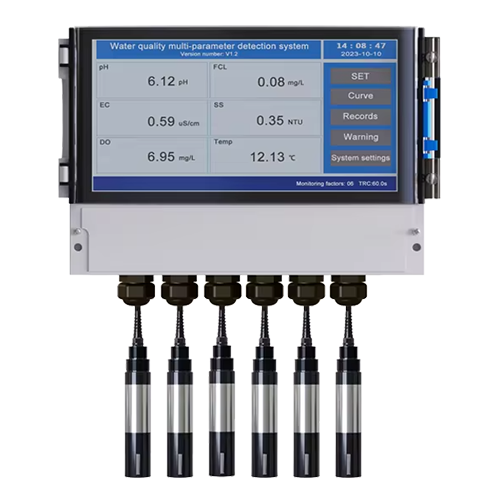
Aqua Multi Guard Parameter Digital Water Quality Analyzer And Ph Sensor-Enviro Testers
Product successfully added to the Quote List
-

Aqua Sense Ultrasonic Level Sensor Non-Contact Water Tank Level Transmitter – Enviro Testers
Product successfully added to the Quote List