
Coating & Material Thickness Gauges
Surface integrity and material performance play a critical role in environmental compliance, infrastructure longevity, and contamination control. Coating and material thickness gauges are precision inspection instruments designed to measure protective layer thickness, substrate dimensions, and corrosion loss across a range of industrial assets. These measurement devices support air, soil, and water monitoring programs by validating barrier coatings, containment linings, and structural materials exposed to harsh environments.
Accurate thickness measurement ensures that protective coatings perform as designed, preventing chemical leakage, structural degradation, and environmental release. Modern thickness meters use magnetic induction, eddy current, or ultrasonic measurement technologies to provide non-destructive, repeatable readings in field conditions. Rugged construction, digital displays, and data logging capabilities enable reliable inspection workflows across regulated industries and infrastructure projects.
Coating and material thickness gauges are non-destructive testing instruments engineered to quantify the thickness of applied coatings, plating layers, liners, and base materials. Within advanced environmental testers for air, soil, and water monitoring, these gauges verify the integrity of protective systems that prevent contamination, corrosion, and structural failure.
Enviro Testers offers multiple thickness measurement technologies aligned with diverse inspection requirements.
Magnetic Induction Coating Thickness Gauges
Magnetic induction gauges measure non-ferrous coatings applied to ferrous substrates. A probe generates a magnetic field, and the instrument calculates coating thickness based on flux variation. These gauges are commonly used for paint, epoxy, and galvanization thickness on steel infrastructure.
Eddy Current Thickness Gauges
Eddy current gauges are designed for non-conductive coatings on non-ferrous metal substrates such as aluminum. These instruments induce alternating electromagnetic fields and measure impedance changes to determine coating thickness.
Ultrasonic Material Thickness Gauges
Ultrasonic thickness gauges transmit high-frequency sound waves through a material and calculate thickness based on time-of-flight measurements. These devices are used to measure wall thickness, corrosion loss, and internal degradation in pipelines, tanks, and structural components.
Dual-Technology Combination Gauges
Combination gauges integrate magnetic induction and eddy current measurement in a single instrument, automatically identifying substrate type. This flexibility supports mixed-material inspection programs across industrial facilities.
Each gauge type is selected based on substrate composition, coating material, expected thickness range, and required measurement accuracy. Enviro Testers works closely with engineers and inspectors to ensure instrument selection aligns with project-specific inspection protocols.
Reliable surface inspection supports environmental compliance, operational safety, and asset management programs. Thickness measurement instruments must deliver consistent performance under real-world field conditions.
Enviro Testers has quickly established itself as a trusted leader in delivering advanced environmental testers across North America. Through research-driven product evaluation, disciplined quality assurance, and expert technical support, we help organizations optimize testing workflows and maintain defensible inspection records. Our coating and material thickness gauges are curated with the same engineering focus.
High Measurement Accuracy and Resolution
Precision measurement is critical when verifying coating application to regulatory or manufacturer specifications. Thickness gauges provide micron-level or mil-level resolution depending on configuration. Calibration routines ensure repeatability across inspection cycles.
Automatic Substrate Recognition
Dual-technology gauges automatically differentiate between ferrous and non-ferrous substrates. This feature reduces operator error during mixed-material inspections in complex industrial environments.
Data Logging and Digital Reporting
Integrated memory allows inspectors to record multiple readings, calculate averages, and export data for documentation. Digital data transfer reduces manual transcription errors and supports audit readiness.
Statistical Analysis Functions
Advanced gauges may include onboard statistical tools such as:
- Mean thickness calculation
- Standard deviation analysis
- Minimum and maximum value tracking
- Batch comparison features
These functions support quality control verification and regulatory reporting requirements.
Rugged Probe Design for Field Use
Inspection often occurs on elevated structures, confined spaces, or industrial sites with dust and moisture exposure. Reinforced probes and impact-resistant housings support durability under demanding conditions.
Adjustable Measurement Modes
Configuration options may include single-point measurement, continuous scanning mode, and tolerance alarm settings. Engineers can define acceptable thickness thresholds based on project specifications.
Temperature Compensation and Material Presets
Certain ultrasonic gauges include temperature correction algorithms and material velocity presets to improve measurement accuracy across varying environmental conditions.
Assumptions regarding substrate homogeneity, surface roughness, and coating uniformity should be verified during method selection. Enviro Testers provides guidance on probe selection and calibration standards to ensure reliable inspection results.
Thickness measurement instruments support a wide range of environmental and infrastructure inspection programs:
- Verification of protective tank linings in wastewater treatment facilities to prevent chemical leakage
- Inspection of pipeline coatings in oil and gas facilities to reduce corrosion-related contamination
- Assessment of structural steel paint systems in industrial plants exposed to harsh atmospheres
- Measurement of containment barrier coatings in hazardous waste storage areas
- Corrosion monitoring of underground storage tanks to prevent soil contamination
- Evaluation of marine infrastructure coatings in coastal environments with high salinity
- Inspection of galvanization thickness on environmental monitoring station supports
- Quality control of epoxy floor coatings in chemical processing facilities
- Thickness validation of protective liners in stormwater management systems
- Ultrasonic wall thickness testing of pressure vessels used in environmental sampling operations
- Inspection of remediation equipment casings exposed to corrosive soil conditions
- Pre-commissioning coating verification for new infrastructure projects
- Regulatory compliance inspections for corrosion prevention in storage terminals
- Periodic maintenance audits of structural assets supporting monitoring equipment
- Verification of coating repairs following environmental incident response
Field experience indicates that accurate thickness measurement helps extend asset lifespan and reduce environmental risk exposure.
Coating and material thickness gauges used in environmental inspection programs may align with:
- United States Environmental Protection Agency guidelines
- Occupational Safety and Health Administration requirements
- American Society for Testing and Materials standards
- National Association of Corrosion Engineers standards
- Canadian Environmental Protection Act requirements
- CSA Group certifications
- UL safety certifications
- ISO 9001 quality management systems
- ISO 17025 calibration laboratory standards
- SSPC surface preparation standards
Engineering teams should confirm compliance with project-specific regulatory and industry standards before deployment.
Accurate thickness inspection directly influences environmental risk mitigation and infrastructure performance. Enviro Testers integrates practical field insights and technical rigor into our surface inspection portfolio.
Non-Destructive Measurement Integrity
Thickness gauges provide precise readings without damaging protective coatings or structural materials. This capability supports ongoing maintenance programs without introducing additional risk.
Calibration Traceability
Calibration procedures are aligned with recognized reference standards. Traceable calibration supports defensible reporting during regulatory audits and compliance verification.
Multi-Technology Flexibility
Combination gauge configurations reduce the need for multiple instruments across diverse substrates. This flexibility simplifies procurement and inventory management.
Enhanced Operator Confidence
Clear digital displays, audible tolerance alarms, and guided measurement prompts assist inspectors in achieving consistent results, even under challenging field conditions.
Data Integration with Environmental Reporting Systems
Exportable measurement data can be integrated into digital asset management and environmental reporting platforms. This connectivity supports enterprise-level documentation and analytics.
Engineering-Led Application Support
Enviro Testers maintains a growing B2B presence across North America by prioritizing technology innovation, product reliability, and customer-focused support. Our technical specialists collaborate with inspectors, engineers, and procurement teams to align thickness measurement solutions with environmental monitoring objectives and long-term asset management strategies.
Selecting appropriate coating and material thickness gauges requires evaluation of technical, operational, and regulatory factors. Key considerations typically include:
- Substrate material type and coating composition
- Expected thickness range and required resolution
- Surface roughness and geometry constraints
- Environmental exposure conditions during inspection
- Calibration traceability and certification requirements
- Data export and reporting compatibility
- Operator training and usability factors
- Lifecycle cost and maintenance intervals
Assumptions regarding material acoustic velocity, magnetic properties, and coating uniformity should be validated during method development. Enviro Testers provides technical documentation, calibration guidance, and product comparison support to facilitate informed procurement decisions.
Coating & Material Thickness Gauges are essential tools for maintaining environmental protection systems and infrastructure reliability. Organizations seeking precise surface inspection instruments aligned with advanced air, soil, and water monitoring programs can engage directly with Enviro Testers for technical consultation and product selection guidance.
Our team works closely with environmental engineers, inspection professionals, and procurement leaders to configure measurement solutions that support regulatory compliance and operational resilience. To discuss project requirements or request detailed specifications, connect with us through our contact page at Contact Us.
Showing 1–16 of 298 results
-

Automotive Paint Meter – Enviro Testers
Product successfully added to the Quote List
-
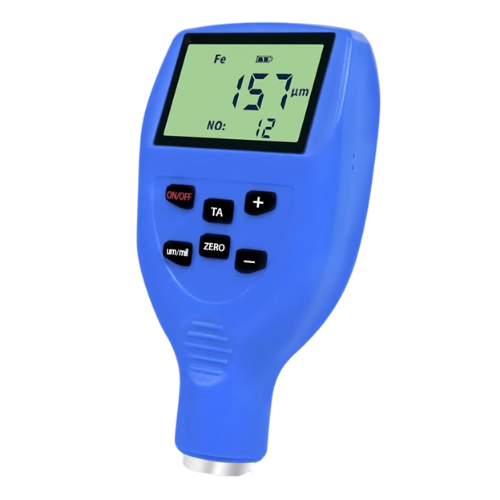
Automotive Paint Thickness Tester Calibration Coating Gauge – Enviro Testers
Product successfully added to the Quote List
-

Automotive Thickness Gauge With LCD Backlight – Enviro Testers
Product successfully added to the Quote List
-

Car Paint and Coating Non-Destructive Tester – Enviro Testers
Product successfully added to the Quote List
-
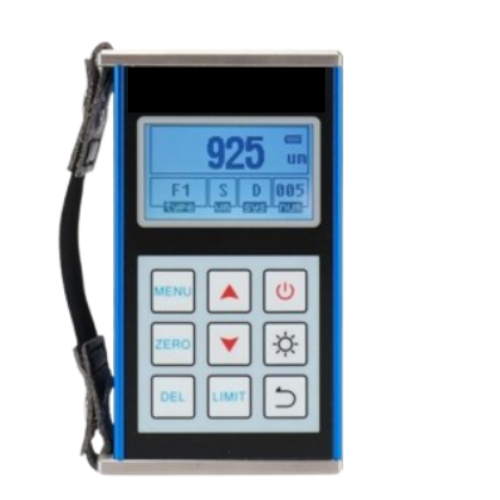
Coating Thickness Gauge for Materials – Enviro Testers
Product successfully added to the Quote List
-
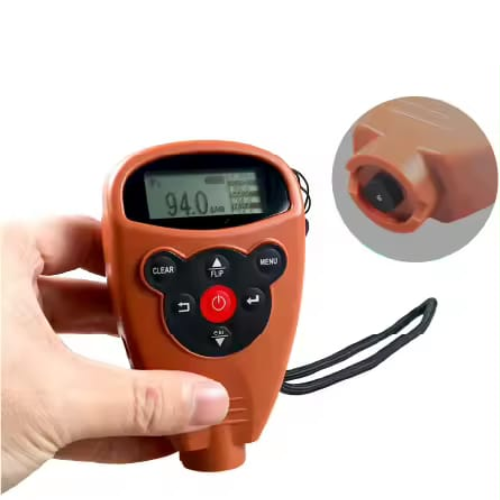
Coating Thickness Gauge with Bluetooth for Industrial Testing – Enviro Testers
Product successfully added to the Quote List
-

Coating Thickness Gauges with Measuring Range – Enviro Testers
Product successfully added to the Quote List
-

Coulometric Thickness Gauge Metal Coating Analyzer Measurement Tool – Enviro Testers
Product successfully added to the Quote List
-
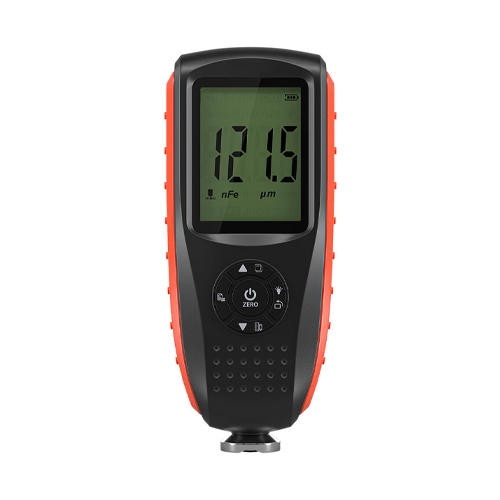
Digital Car Coating Thickness Gauge – Enviro Testers
Product successfully added to the Quote List
-
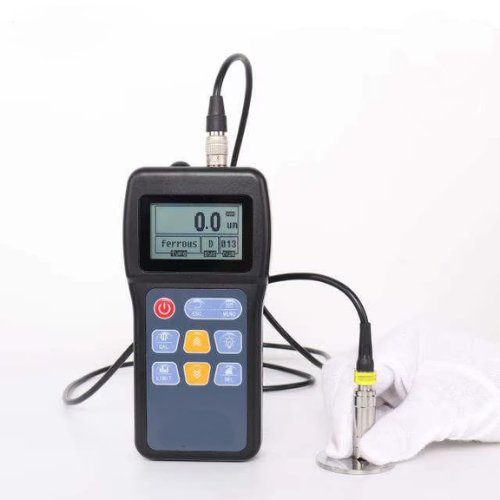
Digital Car Paint Tester Coating Thickness Gauge for Spray Paint – Enviro Testers
Product successfully added to the Quote List
-
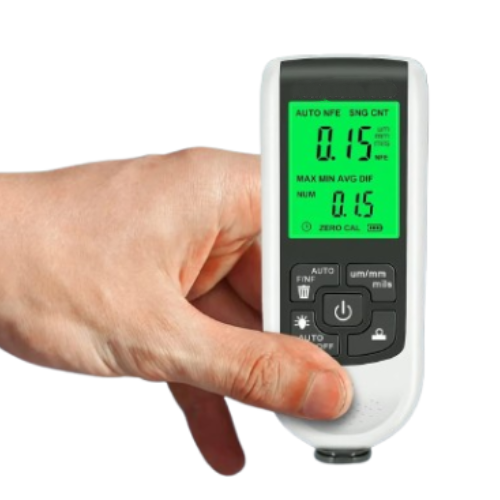
Digital Coating Thickness Gauge – Enviro Testers
Product successfully added to the Quote List
-
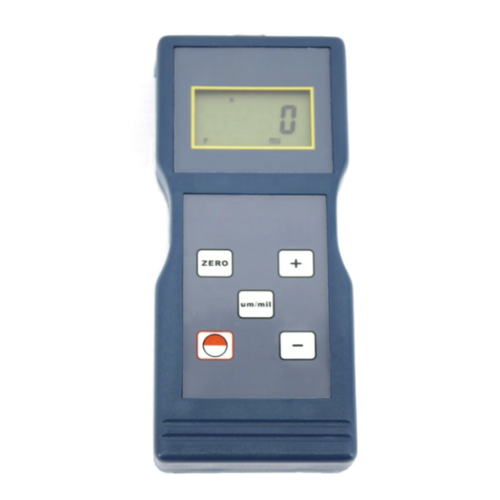
Digital Coating Thickness Gauge with Dual Probes – Enviro Testers
Product successfully added to the Quote List
-
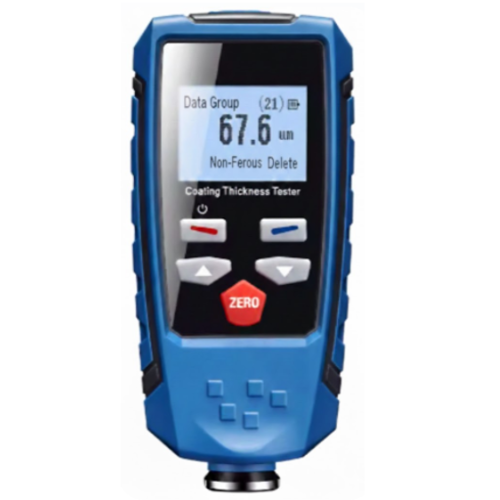
Digital Coating Thickness Tester – Enviro Testers
Product successfully added to the Quote List
-
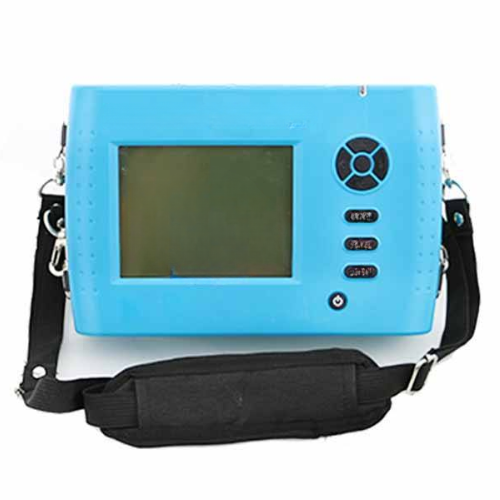
Digital Concrete Thickness Tester – Enviro Testers
Product successfully added to the Quote List
-

Digital Dial Thickness Caliper Gauge – Enviro Testers
Product successfully added to the Quote List
-

Digital Gauge For Road Marking Thickness Measurement – Enviro Testers
Product successfully added to the Quote List