
Turbidity Measurement Meters
Turbidity measurement meters quantify the cloudiness or haziness of water caused by suspended particles such as silt, clay, organic matter, and
microorganisms. Using nephelometric or optical light-scattering principles, these instruments detect and measure the intensity of light scattered at specific angles, typically reported in nephelometric turbidity units. Accurate turbidity analysis is essential for drinking water treatment, wastewater management, environmental monitoring, and industrial process validation.
Within comprehensive environmental testing systems for air, soil, and water evaluation, turbidity analyzers provide critical insight into filtration
performance, sediment transport, and microbial risk indicators. Optical sensor stability, calibration traceability, and controlled light source geometry ensure reliable data even under variable field conditions. Engineers and compliance managers rely on consistent turbidity measurement to support regulatory reporting, optimize treatment processes, and safeguard public health
infrastructure.
Optical and Nephelometric Turbidity Analyzers Engineered by Enviro Testers
Enviro Testers Turbidity Measurement Meters are optical analytical instruments
designed to determine the concentration of suspended particulates in water by measuring the scattering of light from a controlled source. Most systems utilize a 90 degree detection angle consistent with nephelometric standards for
regulatory compliance.
Primary configurations include:
Benchtop Turbidity Analyzers
Laboratory-grade turbidity testing instruments engineered for controlled environments where high-resolution measurement and traceable calibration are required. These systems are commonly used in municipal laboratories, research facilities, and compliance verification programs.
Portable Turbidity Meters
Field-ready turbidity testers designed for on-site surface water sampling, distribution system inspections, and environmental assessments. Ruggedized construction and battery operation support deployment in remote or variable conditions.
Online and Process Turbidity Sensors
Continuous turbidity monitoring systems installed in treatment plant pipelines, sedimentation basins, or filter efluent lines. These analyzers provide real-time output signals compatible with supervisory control systems.
Low-Level and High-Range Turbidity Instruments
Specialized optical meters designed for ultra-low turbidity measurement in drinking water applications or high-range measurement in industrial
wastewater streams.
Each configuration supports scalable water quality monitoring frameworks requiring dependable clarity and suspended solids analysis.
Optical Stability, Calibration Control, and System Integration
Turbidity measurement performance depends on consistent light source intensity, detector alignment, and sample chamber integrity. Enviro Testers incorporates optical engineering principles to maintain measurement accuracy across diverse environmental conditions.
Advanced capabilities include:
- Nephelometric measurement compliant with regulatory detection angles
- Ratio-based optical detection for improved color compensation
- Automatic calibration routines using formazin or polymer standards
- Wide dynamic measurement range from ultra-low to high turbidity samples
- Integrated data logging with timestamped records
- Analog and digital outputs including 4–20 mA and Modbus communication
- Self-diagnostic indicators for lamp performance and detector stability
- Configurable alarm thresholds for filter breakthrough detection
- IP-rated enclosures suitable for industrial or outdoor installation
Ratio-based detection systems compare scattered and transmitted light to compensate for sample color interference. This approach enhances accuracy in
natural waters where dissolved organic compounds may affect optical transmission.
For high solids environments, optical window fouling can impact performance. Automatic wiper mechanisms or scheduled cleaning protocols may be required depending on sample characteristics. Assumptions regarding particulate load should be validated during project specification.
Clarity and Suspended Solids Monitoring Across Regulated Industries
Turbidity analyzers support both compliance-driven and performance-focused water management programs.
- Municipal drinking water plants monitor filter efluent turbidity to meet public health standards.
- Wastewater treatment facilities track suspended solids removal efficiency during clarification processes.
- Surface water monitoring programs assess sediment transport in rivers and reservoirs.
- Industrial process plants detect particulate contamination in cooling or rinse water systems.
- Desalination facilities evaluate pretreatment performance prior to membrane filtration stages.
- Food and beverage producers verify wash water clarity for quality control
- Pharmaceutical manufacturers monitor purified water systems for particulate contamination.
- Mining operations measure sediment discharge to comply with environmental permits.
- Construction site runoff monitoring programs track turbidity levels for erosion control verification.
- Environmental consulting firms conduct field turbidity surveys during remediation assessments.
Several of these use cases fall under federal or provincial regulatory
frameworks requiring traceable turbidity instrumentation and documented calibration records.
Regulatory and Compliance Frameworks
- United States Environmental Protection Agency Safe Drinking Water Act
- EPA 40 CFR Part 141 National Primary Drinking Water Regulations
- EPA Approved Methods for Turbidity Measurement
- Standard Methods for the Examination of Water and Wastewater
- ASTM D6855 Standard Guide for Turbidity Measurement
- NSF ANSI 61 Drinking Water System Components
- ISO 17025 Laboratory Accreditation
- Canadian Council of Ministers of the Environment Water Quality Guidelines
- Health Canada Guidelines for Canadian Drinking Water Quality
- CSA Electrical Equipment Certification
- UL Electrical Safety Certification
Applicability varies depending on installation type and jurisdictional oversight.
Technical Differentiation for Enterprise-Scale Water Clarity Monitoring
Enviro Testers has quickly established itself as a trusted leader in delivering
advanced environmental testers for air, soil, and water monitoring. Our
expanding presence across North America reflects sustained research, disciplined quality assurance, and customer-focused technical support.
Key engineering advantages include:
Optical Signal Stability
Precision-aligned light sources and detectors maintain consistent measurement geometry, reducing drift over extended operating periods.
Ratio Measurement Technology
Dual-detector configurations improve compensation for sample color and light source variation.
Scalable Automation Compatibility
Online turbidity transmitters integrate directly with plant-wide supervisory systems, enabling automated compliance reporting and operational control.
Ruggedized Field Deployment
Portable turbidity meters are designed for environmental fieldwork with impact-resistant housings and moisture protection.
Quality Assurance and Validation
Structured production testing ensures calibration repeatability and optical alignment consistency before shipment.
Through continuous product development and expert guidance, we help organizations streamline water clarity monitoring while unlocking the full capability of advanced environmental assessment systems.
Installation Parameters and Lifecycle Management
Sensor placement within treatment plants should ensure representative
sampling after filtration or clarification stages. Bypass loops are commonly used to maintain stable flow conditions for online turbidity sensors.
Recommended maintenance practices include:
- Routine calibration using certified turbidity standards
- Cleaning optical windows to prevent fouling and biofilm accumulation
- Verifying detector response stability
- Inspecting sample cells for scratches or residue
Calibration frequency depends on regulatory obligations and process criticality. Drinking water facilities often require documented daily or weekly verification checks, while industrial process monitoring may follow site-specific validation
schedules.
Environmental factors such as vibration, temperature variation, and exposure to direct sunlight can affect optical systems. Installation design should account for these variables to maintain long-term reliability.
Proven Performance in Regulated Water Infrastructure
Enviro Testers combines technical expertise with disciplined product validation
to support municipal, industrial, and research-based turbidity monitoring programs. We collaborate with consulting engineers, plant operators, and system integrators to design turbidity measurement architectures aligned with compliance and operational goals.
Stakeholders benefit from:
- Detailed technical documentation and performance specifications
- Configuration guidance during system design
- Reliable instrumentation suitable for regulated environments
- Responsive technical assistance throughout the product lifecycle
Our commitment to innovation, reliability, and customer-focused support helps businesses streamline environmental compliance operations and maximize measurement confidence.
Engineering teams and procurement specialists seeking dependable turbidity measurement meters, optical clarity analyzers, or integrated suspended solids monitoring systems are encouraged to connect with our experts. We provide application-specific recommendations, integration guidance, and compliance- aligned configuration support.
For specifications, pricing, or technical consultation, please reach out through our secure contact page at Contact Us and our team will respond promptly with expert assistance tailored to your operational and regulatory requirements.
Showing 1–16 of 273 results
-

Compact Digital Turbidimeter with 0.2 to 0.3 Accuracy for Field Use – Enviro Testers
Product successfully added to the Quote List
-
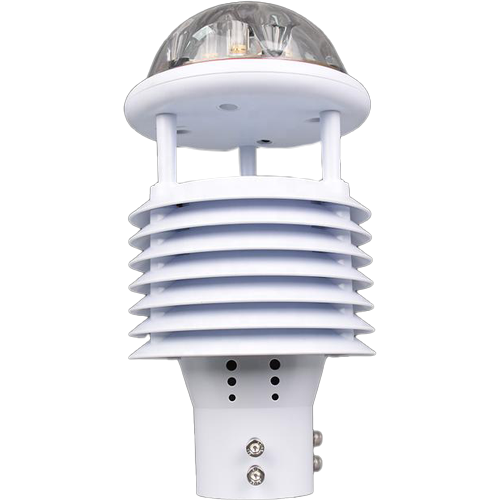
Creative 10 in 1 Ultrasonic Weather Station Sensor – Enviro Testers
Product successfully added to the Quote List
-
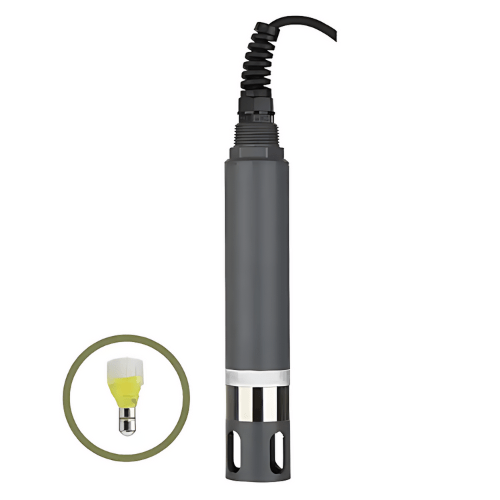
Enviro Testers High Range Water Quality Turbidimeter
Product successfully added to the Quote List
-

Enviro Testers Benchtop Turbidimeter
Product successfully added to the Quote List
-
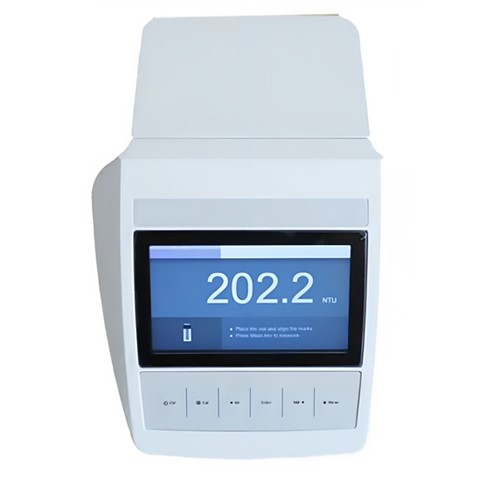
Enviro Testers Benchtop Turbidimeter
Product successfully added to the Quote List
-
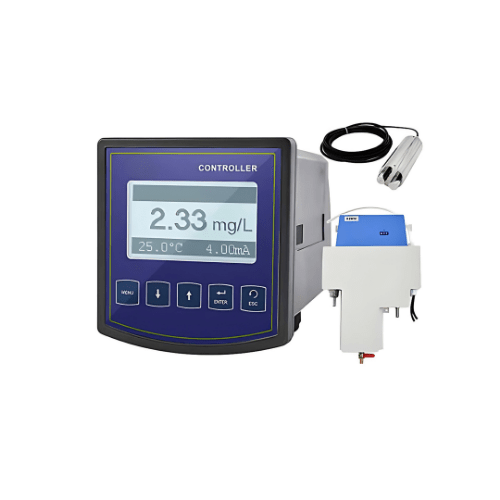
Enviro Testers Cheap Turbidity Tester
Product successfully added to the Quote List
-
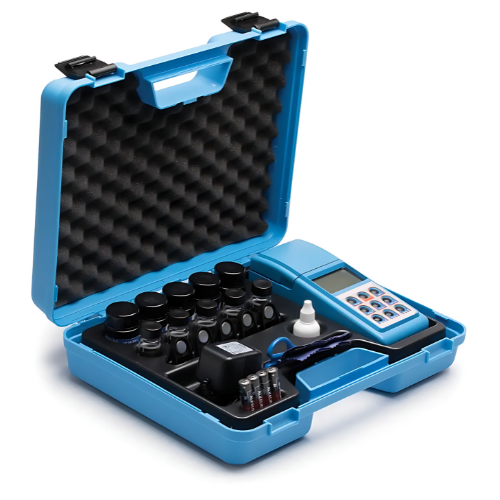
Enviro Testers Chlorine Portable Meter High precision Turbidimeter
Product successfully added to the Quote List
-
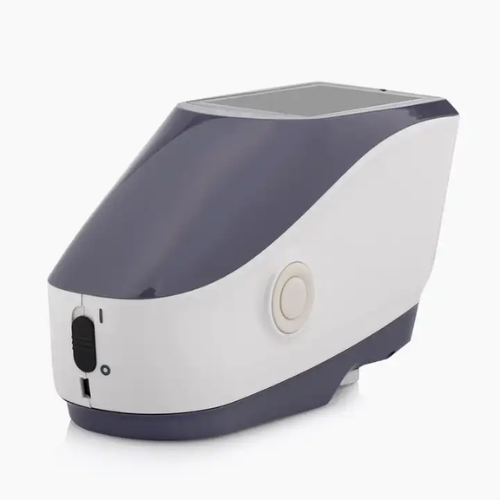
Enviro Testers Color Interference Turbidimeter for Color Measuring
Product successfully added to the Quote List
-
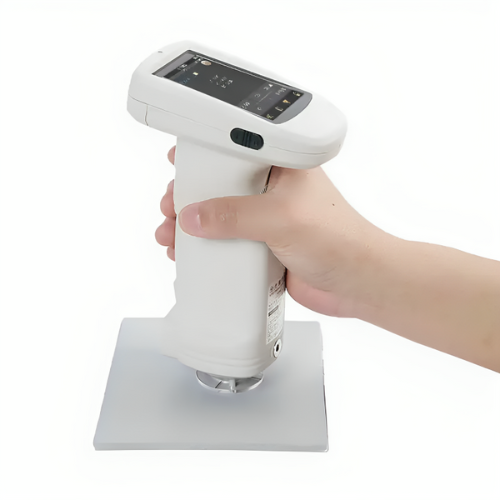
Enviro Testers Color Interference Turbidimeter for Color Reader
Product successfully added to the Quote List
-
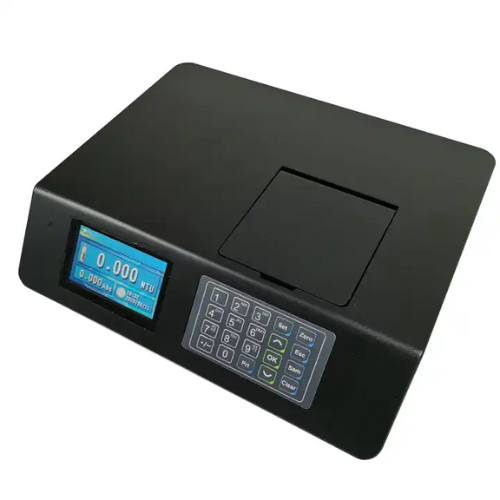
Enviro Testers Color Interference Turbidimeter for LCD Screen
Product successfully added to the Quote List
-

Enviro Testers Color Interference Turbidimeter for Water
Product successfully added to the Quote List
-

Enviro Testers Color Interference Turbimeter
Product successfully added to the Quote List
-

Enviro Testers Color Interference Turbimeter For Controller
Product successfully added to the Quote List
-
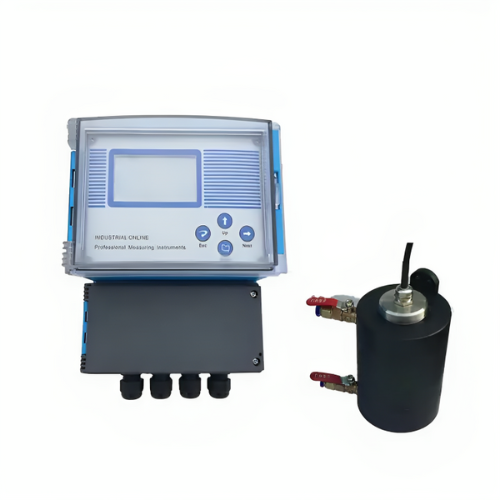
Enviro Testers Color Interference Turbimeter for Industrial
Product successfully added to the Quote List
-
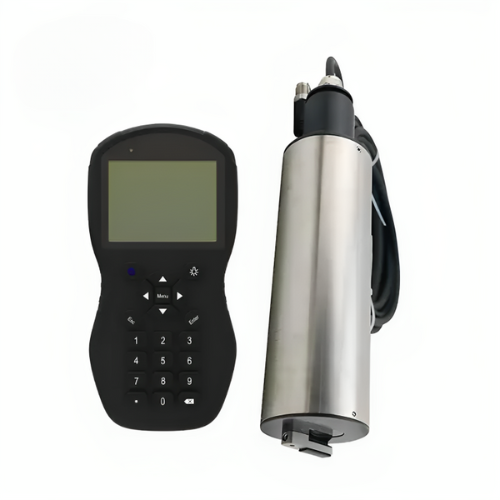
Enviro Testers Color Interference Turbimeter for Line Digital
Product successfully added to the Quote List
-
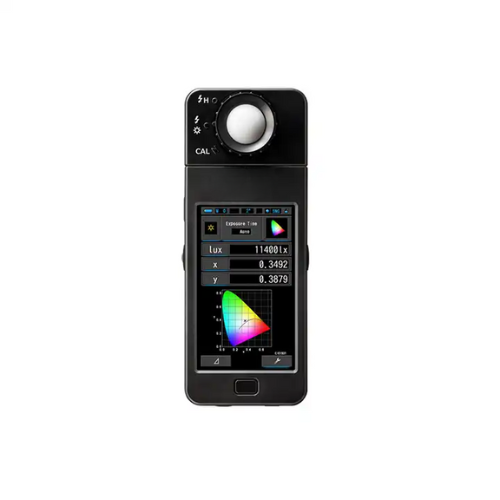
Enviro Testers Color Interference Turbimeter for Lux Light
Product successfully added to the Quote List