
Nitric Oxide Monitors
Nitric oxide monitors measure NO concentration to support worker protection, process assurance, and ventilation verification in industrial and lab environments. Typical deployments include fixed-point detectors near nitric oxide cylinders and gas cabinets, continuous monitors in production areas where NO can form during high-temperature processes, and portable instruments used for troubleshooting and maintenance walkdowns. NO measurement commonly relies on electrochemical sensors for ppm-level response, with compensation routines used to improve stability across temperature and humidity variation. Higher-selectivity approaches can include chemiluminescence analyzers when regulatory or research-grade measurement is required, subject to site maintenance capabilities and calibration infrastructure. Integration options include relay alarms, 4 to 20 mA outputs, and Modbus or Ethernet gateways for PLC, SCADA, and facility monitoring platforms. Properly specified monitoring helps teams detect leaks early and maintain defensible exposure control documentation.
Technical definition: what nitric oxide monitors measure and where the data is used
Nitric oxide monitors are instruments that quantify NO in air and translate that value into alarms, control outputs, and recorded data. NO is a reactive gas that can appear from cylinder use, chemical processes, and combustion or high-temperature operations.
Engineering and EHS teams use monitoring results to manage short-term exposure events, validate ventilation and containment effectiveness, and document risk controls during commissioning, maintenance, and process changes.
Product types used in nitric oxide monitoring programs
Fixed nitric oxide detectors and transmitters
Installed near credible release sources such as gas cylinder storage, gas cabinets, valve panels, and process enclosures. Fixed units support continuous trending and alarm signaling.
Portable nitric oxide monitors and survey instruments
Used for leak localization, ventilation troubleshooting, and verification of safe conditions prior to work in affected areas.
Area monitoring with controllers and annunciators
Multi-sensor systems that centralize alarm logic, fault supervision, and event logging, then integrate with PLCs and facility dashboards.
Sampling-based nitric oxide monitoring (assumption-based)
Used when sensors must be placed outside high-heat, high-moisture, or restricted zones. Assumption: transport delay and tubing maintenance are acceptable for the monitoring objective.
Chemiluminescence NO analyzers (assumption-based)
Applied when high sensitivity, selectivity, and traceability are required for compliance or research. Assumption: the site can support calibration gases, routine maintenance, and analyzer utilities.
Sensor technologies commonly applied to NO measurement
Electrochemical NO sensors
Common for ppm-level detection in safety monitoring, offering practical field calibration workflows and straightforward integration.
Chemiluminescence detection (assumption-based)
Often used in reference-grade measurement, especially where NO and NOx tracking are part of emissions or research programs.
Optical NO methods (assumption-based)
Applied in specialized cases where selectivity and stability are required. Assumption: installation and maintenance conditions support optical performance.
Enviro Testers has quickly established itself as a trusted leader in delivering advanced instrumentation for air, soil, and water measurement programs. With a growing B2B presence across North America, we lead in technology innovation, product reliability, and customer-focused support. Through research, continuous product development, a strict quality assurance process, and expert guidance, we help businesses streamline operations and unlock the full potential of testing and measurement solutions.
Measurement performance features engineers validate for NO monitoring
Range selection matched to exposure and process scenarios
NO monitoring spans leak detection near cylinders and higher concentration scenarios near certain industrial processes. Range selection should preserve low ppm resolution while avoiding saturation during upset events.
Response time and peak capture
NO releases can be transient during cylinder changeouts or process transitions. Instrument configuration should preserve peak visibility so short events are not missed.
Interference management in mixed gas environments
NO often exists alongside NO2 and other reactive species. Sensor selection should consider cross-sensitivity characteristics and provide practical validation methods under representative site conditions.
Environmental compensation and stability controls
Temperature swings and humidity can shift sensor response. Compensation routines and proper enclosures reduce nuisance alarms and improve repeatability.
Integration options for facility systems and OT architectures
Outputs and communications
Common integration paths include:
- 4 to 20 mA outputs for PLC inputs and historian trending
- Relay contacts for alarms, ventilation enable, and interlock logic
- Modbus RTU/TCP for centralized dashboards and multi-point networks
- Ethernet gateways for SCADA and segmented OT environments
Alarm logic aligned to response procedures
Controllers typically support:
- Multi-stage thresholds for advisory and high-severity response
- Latching high alarms requiring acknowledgement after corrective actions
- Horn silence with alarm persistence for controlled response workflows
- Sensor fault supervision with defined fail-safe behavior for outputs
Data logging and traceability
Event logs, alarm histories, and maintenance records help teams support incident review, commissioning signoff, and documentation for exposure control programs.
Deployment configurations that reflect how NO behaves in real facilities
Placement driven by credible release points and airflow
Cylinders, gas cabinets, and valve manifolds create concentrated release risks. Placement strategies consider enclosure exhaust paths, airflow short-circuiting, and worker movement patterns.
Remote heads and service-friendly layouts
Remote heads and accessible mounting reduce technician time in higher-risk zones during calibration and verification.
Sampling configurations for harsh or restricted areas (assumption-based) Sampling can pull air from cabinets or hot zones while keeping sensors accessible. Assumption: sampling delay and condensation risks are managed through design.
Hazardous area requirements (site-dependent)
Electrical classification influences detector approvals, wiring methods, and barrier selection, especially near gas systems in industrial settings.
Calibration, verification, and lifecycle management
Bump testing and calibration planning
Intervals are set based on safety criticality, sensor technology, and environmental severity. Defensible procedures reduce downtime and improve repeatability.
Calibration gas management and documentation
Certified gases and controlled workflows support traceable maintenance records and consistent alarm performance.
Diagnostics and health indicators
Useful capabilities include drift tracking, end-of-life flags for electrochemical cells, flow faults for sampling systems, and fault codes that support troubleshooting.
Enviro Testers has quickly established itself as a trusted leader in delivering advanced instrumentation for air, soil, and water measurement programs. With a growing B2B presence across North America, we lead in technology innovation, product reliability, and customer-focused support. Through research, continuous product development, a strict quality assurance process, and expert guidance, we help businesses streamline operations and unlock the full potential of testing and measurement solutions.
Measurement performance features engineers validate for NO monitoring
Range selection matched to exposure and process scenarios
NO monitoring spans leak detection near cylinders and higher concentration scenarios near certain industrial processes. Range selection should preserve low ppm resolution while avoiding saturation during upset events.
Response time and peak capture
NO releases can be transient during cylinder changeouts or process transitions. Instrument configuration should preserve peak visibility so short events are not missed.
Interference management in mixed gas environments
NO often exists alongside NO2 and other reactive species. Sensor selection should consider cross-sensitivity characteristics and provide practical validation methods under representative site conditions.
Environmental compensation and stability controls
Temperature swings and humidity can shift sensor response. Compensation routines and proper enclosures reduce nuisance alarms and improve repeatability.
Integration options for facility systems and OT architectures
Outputs and communications
Common integration paths include:
- 4 to 20 mA outputs for PLC inputs and historian trending
- Relay contacts for alarms, ventilation enable, and interlock logic
- Modbus RTU/TCP for centralized dashboards and multi-point networks
- Ethernet gateways for SCADA and segmented OT environments
Alarm logic aligned to response procedures
Controllers typically support:
- Multi-stage thresholds for advisory and high-severity response
- Latching high alarms requiring acknowledgement after corrective actions
- Horn silence with alarm persistence for controlled response workflows
- Sensor fault supervision with defined fail-safe behavior for outputs
Data logging and traceability
Event logs, alarm histories, and maintenance records help teams support incident review, commissioning signoff, and documentation for exposure control programs.
Deployment configurations that reflect how NO behaves in real facilities
Placement driven by credible release points and airflow
Cylinders, gas cabinets, and valve manifolds create concentrated release risks. Placement strategies consider enclosure exhaust paths, airflow short-circuiting, and worker movement patterns.
Remote heads and service-friendly layouts
Remote heads and accessible mounting reduce technician time in higher-risk zones during calibration and verification.
Sampling configurations for harsh or restricted areas (assumption-based) Sampling can pull air from cabinets or hot zones while keeping sensors accessible. Assumption: sampling delay and condensation risks are managed through design.
Hazardous area requirements (site-dependent)
Electrical classification influences detector approvals, wiring methods, and barrier selection, especially near gas systems in industrial settings.
Calibration, verification, and lifecycle management
Bump testing and calibration planning
Intervals are set based on safety criticality, sensor technology, and environmental severity. Defensible procedures reduce downtime and improve repeatability.
Calibration gas management and documentation
Certified gases and controlled workflows support traceable maintenance records and consistent alarm performance.
Diagnostics and health indicators
Useful capabilities include drift tracking, end-of-life flags for electrochemical cells, flow faults for sampling systems, and fault codes that support troubleshooting.
Enviro Testers has quickly established itself as a trusted leader in delivering advanced instrumentation for air, soil, and water measurement programs. With a growing B2B presence across North America, we lead in technology innovation, product reliability, and customer-focused support. Through research, continuous product development, a strict quality assurance process, and expert guidance, we help businesses streamline operations and unlock the full potential of testing and measurement solutions.
Measurement performance features engineers validate for NO monitoring
Range selection matched to exposure and process scenarios
NO monitoring spans leak detection near cylinders and higher concentration scenarios near certain industrial processes. Range selection should preserve low ppm resolution while avoiding saturation during upset events.
Response time and peak capture
NO releases can be transient during cylinder changeouts or process transitions. Instrument configuration should preserve peak visibility so short events are not missed.
Interference management in mixed gas environments
NO often exists alongside NO2 and other reactive species. Sensor selection should consider cross-sensitivity characteristics and provide practical validation methods under representative site conditions.
Environmental compensation and stability controls
Temperature swings and humidity can shift sensor response. Compensation routines and proper enclosures reduce nuisance alarms and improve repeatability.
Integration options for facility systems and OT architectures
Outputs and communications
Common integration paths include:
- 4 to 20 mA outputs for PLC inputs and historian trending
- Relay contacts for alarms, ventilation enable, and interlock logic
- Modbus RTU/TCP for centralized dashboards and multi-point networks
- Ethernet gateways for SCADA and segmented OT environments
Alarm logic aligned to response procedures
Controllers typically support:
- Multi-stage thresholds for advisory and high-severity response
- Latching high alarms requiring acknowledgement after corrective actions
- Horn silence with alarm persistence for controlled response workflows
- Sensor fault supervision with defined fail-safe behavior for outputs
Data logging and traceability
Event logs, alarm histories, and maintenance records help teams support incident review, commissioning signoff, and documentation for exposure control programs.
Deployment configurations that reflect how NO behaves in real facilities
Placement driven by credible release points and airflow
Cylinders, gas cabinets, and valve manifolds create concentrated release risks. Placement strategies consider enclosure exhaust paths, airflow short-circuiting, and worker movement patterns.
Remote heads and service-friendly layouts
Remote heads and accessible mounting reduce technician time in higher-risk zones during calibration and verification.
Sampling configurations for harsh or restricted areas (assumption-based) Sampling can pull air from cabinets or hot zones while keeping sensors accessible. Assumption: sampling delay and condensation risks are managed through design.
Hazardous area requirements (site-dependent)
Electrical classification influences detector approvals, wiring methods, and barrier selection, especially near gas systems in industrial settings.
Calibration, verification, and lifecycle management
Bump testing and calibration planning
Intervals are set based on safety criticality, sensor technology, and environmental severity. Defensible procedures reduce downtime and improve repeatability.
Calibration gas management and documentation
Certified gases and controlled workflows support traceable maintenance records and consistent alarm performance.
Diagnostics and health indicators
Useful capabilities include drift tracking, end-of-life flags for electrochemical cells, flow faults for sampling systems, and fault codes that support troubleshooting.
NO monitoring designed for reactive gas handling and short-duration events
NO can present as brief spikes during cylinder changeouts, regulator failures, or process transitions. Enviro Testers supports monitoring configurations that preserve peak visibility, align alarm thresholds with response procedures, and reduce the risk that averaging masks high-consequence events.
Selectivity and interference controls in mixed nitrogen oxide environments
Facilities often encounter NO alongside NO2 and other reactive species. Practical differentiators include:
- Sensor selection guidance based on expected co-gases and humidity levels
- Field verification workflows that validate response under representative conditions
- Configuration strategies that balance nuisance alarm reduction with peak capture
- Diagnostics that flag drift, contamination, or end-of-life before data becomes unreliable
Integration-ready outputs for PLC, SCADA, and facility alarm systems
NO monitoring commonly drives alarms and ventilation response. Enviro Testers supports integration requirements through:
- Documented 4 to 20 mA scaling with defined fault current conventions
- Relay outputs for alarm annunciation and ventilation enable sequences
- Modbus connectivity for centralized dashboards and historian retention
- Event logs that support incident investigation and maintenance traceability
Maintainability designed for labs and industrial plants with limited downtime
Service windows are often short, especially in production environments. Engineering- oriented maintainability includes:
- Service-friendly mounting and clear calibration interfaces
- Sampling options for restricted zones where direct placement is not sustainable
- Planned spares strategies aligned to sensor technology and exposure severity
- Documentation bundles that support system integrators and audit reviews
Procurement-friendly standardization without compromising engineering fit
Enviro Testers helps teams standardize monitoring platforms and documentation while
tailoring sensor ranges, housings, and communications to each NO use zone’s risk profile.
Teams deploying nitric oxide monitoring often need help selecting sensing methods, defining placement near gas cabinets and process enclosures, integrating alarms into PLC or facility systems, and building verification workflows that remain defensible over time.
Connect with Enviro Testers through our Contact Us page to request product information, technical consultation, integration support, procurement guidance, or assistance developing calibration and maintenance procedures.
Showing 1–16 of 45 results
-
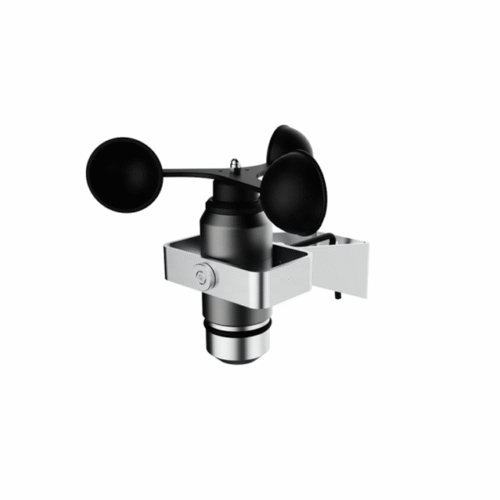
Certified Explosion-Proof Industrial Gas Analyzer – Enviro Testers
Product successfully added to the Quote List
-

Enviro Testers 2-In-1 Gas Leak Detector
Product successfully added to the Quote List
-

Enviro Testers Authentic 5X Gas Detector
Product successfully added to the Quote List
-

Enviro Testers Compact Nitric Oxide Gas Detector
Product successfully added to the Quote List
-

Enviro Testers Economical Altair Gas Detector
Product successfully added to the Quote List
-
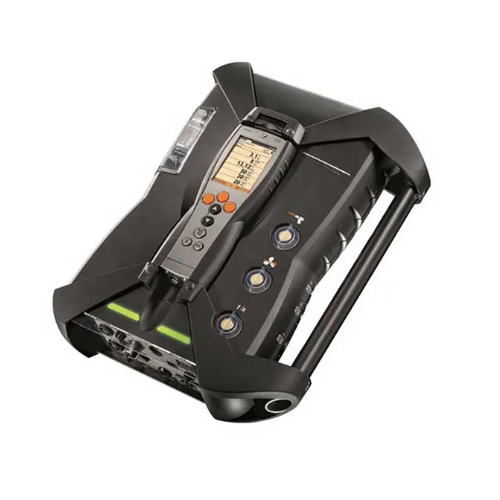
Enviro Testers Emission Exhaust Gas Detector
Product successfully added to the Quote List
-

Enviro Testers Gas Industry Leak Guard System
Product successfully added to the Quote List
-
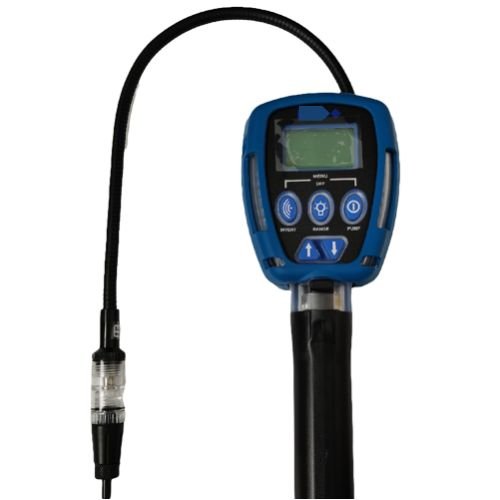
Enviro Testers Gas Industry Multi-Gas Leak Monitor
Product successfully added to the Quote List
-
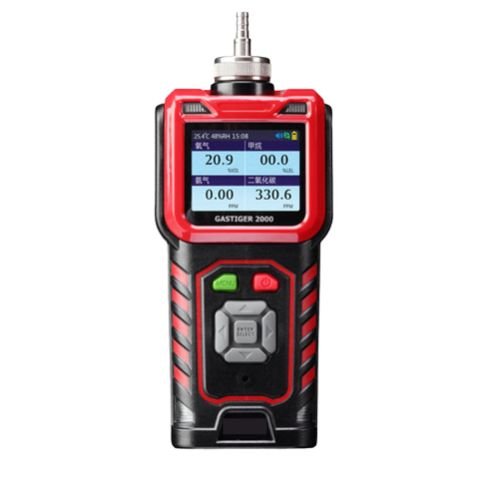
Enviro Testers Gas Portable Detector
Product successfully added to the Quote List
-
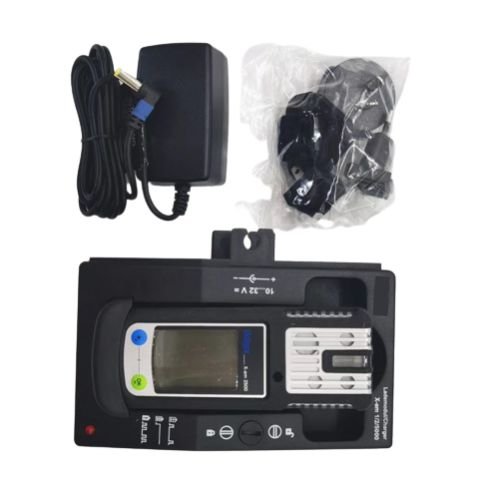
Enviro Testers Gas Pump Sensor Detector
Product successfully added to the Quote List
-
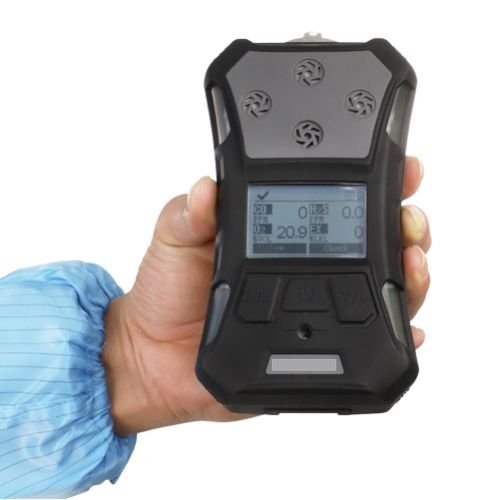
Enviro Testers Gas Pump Sensor Detector
Product successfully added to the Quote List
-

Enviro Testers Handheld Detector With Bluetooth
Product successfully added to the Quote List
-

Enviro Testers Handheld Nitric Oxide Gas Leak Detector
Product successfully added to the Quote List
-
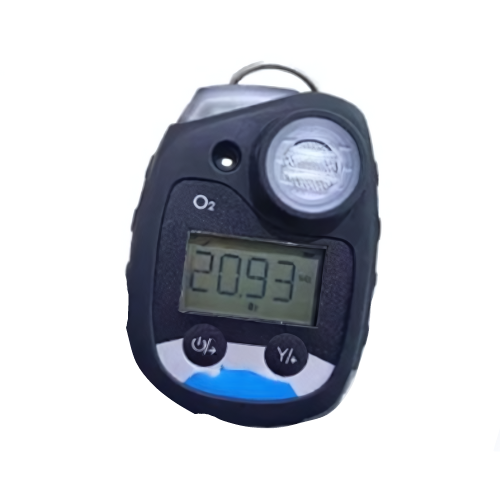
Enviro Testers Handheld Nitric Oxide Gas Leak Detector
Product successfully added to the Quote List
-

Enviro Testers High-Performance NO Gas Detector
Product successfully added to the Quote List
-
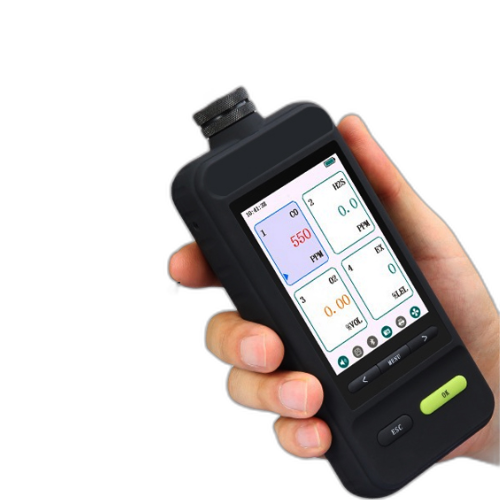
Enviro Testers Indicator Nitric Oxide Gas Detector
Product successfully added to the Quote List